


Contents
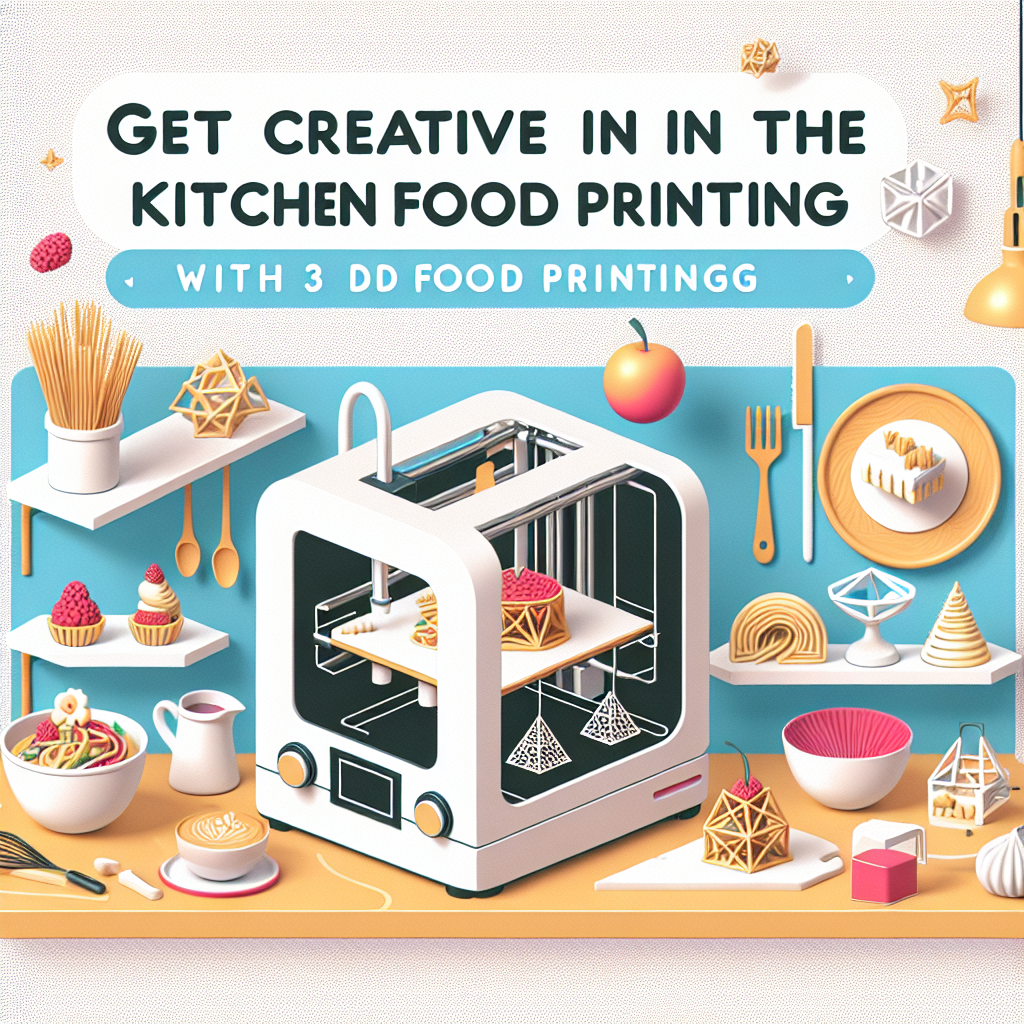
Get Creative in the Kitchen with 3D Food Printing
Introduction
The culinary world is experiencing a revolution, and 3D food printing is at the forefront of this innovative trend. Imagine creating intricate designs and unique flavors customized to your taste, all crafted with the precision of a 3D printer.
This technology not only allows chefs and home cooks to experiment with form and aesthetics, but it also opens up new possibilities for nutrition and sustainability.
Join us as we explore how 3D food printing is changing the way we view food and inspire creativity in the kitchen!
What is 3D Food Printing?
3D food printing is a revolutionary culinary technology that allows chefs and food enthusiasts to create intricate food designs using specialized printers. By combining various ingredients in precise measurements, 3D printers can produce edible items layer by layer, resulting in complex shapes that are often difficult to achieve using traditional cooking methods.
How 3D Food Printing Works
The process of 3D food printing begins with the preparation of ingredients, which are typically in paste or gel form. These ingredients are loaded into cartridges within the 3D printer. Once the design is uploaded to the printer’s software, the machine begins to extrude the ingredients according to the predetermined pattern. This method allows for both creativity and precision in food preparation.
Benefits of 3D Food Printing
Customization and Personalization
One of the main advantages of 3D food printing is the ability to customize meals to fit dietary preferences and restrictions. Whether it’s creating gluten-free pasta or printing out a shape that appeals to kids, the potential for personalization is immense.
Reduced Food Waste
3D food printing can minimize food waste by using only the necessary amount of ingredients needed for each creation. Leftover ingredients can be incorporated into new recipes, making this technology not only efficient but also environmentally friendly.
Applications of 3D Food Printing
Culinary Arts
Chefs are increasingly using 3D food printers in restaurants to offer unique dining experiences. The technology allows them to experiment with textures, flavors, and shapes that traditional cooking techniques can’t achieve. For instance, intricate chocolate sculptures or personalized desserts are becoming more common in high-end dining establishments.
Catering and Events
In catering, 3D food printing allows for exquisite presentations, which can be especially beneficial for weddings and corporate events. Caterers can create themed edible centerpieces or customized treats that leave a lasting impression on guests.
Getting Started with 3D Food Printing
Choosing the Right 3D Food Printer
When looking to invest in a 3D food printer, consider factors such as ease of use, versatility, and the types of ingredients you wish to work with. Some popular options include the 3D Food Printer by Foodjet and the Bite 3D Printer, each offering unique features tailored to various culinary tasks.
Learning Resources
As with any new technology, it’s essential to learn and practice. Many online platforms offer tutorials and courses focused on 3D food printing, providing guidance on everything from printer operation to recipe development. Websites like Instructables are great places to find community-generated projects and tips.
Future Trends in 3D Food Printing
Sustainability
The future of 3D food printing extends beyond creativity; it also leans heavily into sustainability. Many companies are exploring ways to print with alternative proteins and plant-based materials to meet the growing demand for sustainable food sources. This shift not only addresses environmental concerns but also opens doors to create healthier food options.
Integration with Other Technologies
As technology continues to evolve, the integration of AI and machine learning with 3D food printing may lead to more advanced and intuitive kitchen solutions. Imagine printers that can adapt recipes based on real-time nutritional analysis or consumer preferences!

Overview of 3D Food Printing
3D food printing is an innovative technology that allows chefs and food enthusiasts to create intricate edible designs. Utilizing a range of ingredients, printers layer materials to produce foods with unique shapes and textures. For more detailed information, you can visit the Wikipedia page on 3D Food Printing.
What You Can Make
Custom Shapes and Designs
One of the most exciting features of 3D food printing is the ability to create custom shapes. From intricate pastries to elaborate chocolate sculptures, the potential for design is limited only by your imagination.
Personalized Nutrition
3D printers can also produce food items tailored to individual dietary needs, such as personalized supplements and nutrient-rich snacks. This is particularly beneficial for those with food allergies or specific health goals.
What You Can’t Make
Complex Proteins
While you can create various carbohydrate-based foods, replicating complex proteins like meat poses significant challenges. The texture and consistency required for meat-making is currently difficult to achieve with 3D printing technology.
Raw Ingredients
3D food printers do not work well with raw or uncooked ingredients, such as fresh fruits and vegetables. These items require traditional preparation methods to ensure safety and palatability.

FAQs: Get Creative in the Kitchen with 3D Food Printing
What is 3D food printing?
3D food printing is a process that uses additive manufacturing technology to create edible items layer by layer. It allows for intricate designs and personalized food creations.
How does a 3D food printer work?
A 3D food printer works by using food-safe materials that are fed into a printer. It extrudes these materials according to a digital design, gradually building up the final product.
What types of food can be printed?
Various materials can be used for 3D printing, including doughs, chocolates, and purees. Chefs can experiment with different flavor profiles and textures.
What are the benefits of using a 3D food printer?
3D food printers offer several benefits, such as creativity in food design, customization for dietary needs, and the ability to create complex shapes that are difficult to achieve by hand.
Is 3D food printing safe?
Yes, as long as food-safe materials are used and proper hygiene practices are followed, 3D food printing is safe for consumption.
How much does a 3D food printer cost?
The price of 3D food printers can vary widely, from a few hundred to several thousand dollars, depending on the technology and features offered.
Can anyone use a 3D food printer?
Yes, while some basic knowledge of cooking and design software can be helpful, many 3D food printers come with user-friendly interfaces for beginners.
Where can I buy ingredients for 3D food printing?
Many specialty food suppliers and online retailers offer print-ready ingredients. Always make sure to choose food-safe materials compatible with your printer.

Introduction to 3D Food Printing
- Revolutionizes food preparation and presentation.
- Combines technology with culinary art.
Advantages of 3D Food Printing
- Customization of shapes and textures.
- Reduces food waste by using precise amounts of ingredients.
- Enhances creativity in culinary designs.
Applications
- Personalized nutrition for dietary needs.
- Innovative restaurant menus featuring unique dishes.
- Food production for events and special occasions.
Challenges
- High cost of 3D food printers.
- Limited availability of compatible food materials.
- Learning curve for culinary professionals.
Future Prospects
- Potential for sustainable food solutions.
- Continued integration with kitchen technology.
- Growing interest in food design and aesthetics.


