Contents
Getting the Most out of Your Fellow Tea Kettle: Expert Tips and Techniques
Welcome to our guide on maximizing your tea brewing experience with your Fellow Tea Kettle! As experts in the field, we have gathered a collection of valuable tips and techniques to help you make the most out of this incredible piece of tea-brewing equipment.
Whether you are a tea enthusiast or a novice, these tips will elevate your tea-making skills to a whole new level.
In this guide, we will cover a wide range of topics, including:
- Choosing the right water temperature for different tea types
- Mastering the pouring technique for a precise and controlled flow
- Troubleshooting common issues and how to maintain your kettle
- Exploring various brewing methods to suit your preferences
- Enhancing the flavors of your tea through proper equipment usage
- And much more!
By the end of this guide, you will be equipped with the knowledge and skills to brew the perfect cup of tea, every single time. So, grab your Fellow Tea Kettle, your favorite tea leaves, and let’s dive into the wonderful world of tea brewing!
Getting the Most out of Your Fellow Tea Kettle: Expert Tips and Techniques
1. Choosing the Right Tea Kettle
It all starts with selecting the perfect tea kettle. Look for a kettle that is made of high-quality
materials and has a good heat conduction. Stainless steel or glass kettles are generally preferred
since they heat up faster and retain heat better.
For more information on choosing the right tea kettle, check out this Tea
Square guide.
2. Preparing the Water
Using the right type of water is crucial for a perfect cup of tea. Start with fresh, cold water and
avoid using water that has been previously boiled or has a high mineral content. Filtered water is
an excellent choice.
For more details on water temperature and its impact on tea flavor, refer to this informative article
on Tea
Guardian.
3. Perfecting the Pour
The way you pour water into your tea kettle can influence the taste and aroma of your tea. Aim to
pour with a steady and controlled flow, ensuring that all the tea leaves are evenly saturated. Try
to avoid pouring from too high above the tea leaves as it may result in splashing and uneven
infusion.
4. Infusion Time and Temperature
Different teas have different optimum infusion times and temperatures. For example, green teas are
generally brewed at lower temperatures (between 170-185°F) for shorter durations, while black teas
may require higher temperatures (around 200°F) and longer steeping times.
To explore more on tea brewing parameters, visit the Tea Association of the U.S.A.’s preparation tips
page.
5. Maintaining Your Tea Kettle
Proper maintenance of your tea kettle ensures its longevity and optimal performance. Regularly clean
the kettle to remove any mineral deposits and prevent the buildup of impurities. Avoid using harsh
cleaners or metallic scouring pads to prevent damage.
For specific cleaning instructions for your kettle, refer to the manufacturer’s guidelines or this
handy article on The Kitchn.

Frequently Asked Questions
1. How can I properly clean my tea kettle?
Regularly cleaning your tea kettle is essential for maintaining its performance. To clean your tea kettle, follow these steps:
- Empty any leftover water from the kettle.
- Fill the kettle halfway with equal parts water and white vinegar.
- Boil the mixture in the kettle.
- Let the mixture sit in the kettle for about 30 minutes.
- Empty the mixture and rinse the kettle thoroughly.
- Wipe the exterior and interior of the kettle with a clean cloth.
2. How can I prevent limescale buildup in my tea kettle?
Limescale buildup can affect the performance of your tea kettle. To prevent this, try the following:
- Use filtered water to fill your kettle.
- Regularly descale your kettle using a mixture of water and vinegar.
- Consider using a limescale filter or adding a lemon slice to the water when boiling.
3. How often should I replace the water filter in my tea kettle?
The frequency of replacing the water filter depends on the quality of your water and the manufacturer’s recommendations. However, as a general guideline, it is recommended to replace the water filter every 1-3 months. Check the instructions provided by the kettle manufacturer for specific guidelines.
4. Can I use my tea kettle to boil water for cooking purposes?
Yes, tea kettles can be used to boil water for various cooking purposes such as making pasta, preparing soup, or brewing coffee. Ensure that you clean the kettle thoroughly before and after using it for different purposes to avoid any flavors transferring.
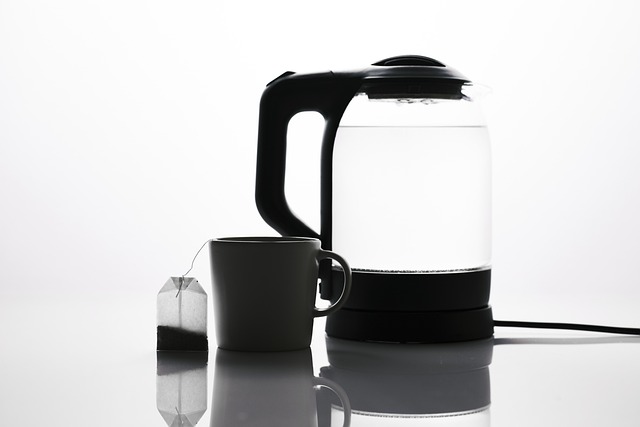
Using a Fellow Tea Kettle
Step 1: Preparing the Kettle
Before using your Fellow tea kettle, make sure to remove all packaging materials and rinse it with warm water. This will ensure that any dust or residue is cleared away.
Step 2: Filling the Kettle
Fill the kettle with water according to your desired amount. The Fellow tea kettle usually has a maximum capacity indicated, so be mindful not to exceed it.
Step 3: Heating the Water
Place the kettle on a heat source, such as a stovetop or an electric base. Turn on the heat and wait for the water to come to a boil. The Fellow tea kettle is designed to heat water quickly and efficiently.
Step 4: Using the Kettle
Once the water reaches a boiling point, you can use the Fellow tea kettle in multiple ways. Here are a few common uses:
- For Tea: If you’re making tea, pour the boiling water into a teapot or directly into a tea infuser with your preferred tea leaves. Allow it to steep for the recommended time, and then enjoy your hot cup of tea.
- For Coffee: If you’re a coffee lover, you can use the Fellow tea kettle to make pour-over coffee. Pour the boiling water over a coffee filter with freshly ground coffee beans in a pourover cone or similar device. Let the coffee steep and drip into a mug or carafe for a delicious brew.
- For Hot Beverages: The Fellow tea kettle can also be used for other hot beverages like hot chocolate or instant soups. Simply add the hot water to your preferred mixture and stir until well combined.
Step 5: Cleaning and Maintenance
After each use, make sure to clean your Fellow tea kettle thoroughly. Wash it with warm water and mild soap, then rinse and dry it properly to prevent any build-up or residue. Regular maintenance will ensure your tea kettle lasts longer.
For more information about tea kettles, you can visit the Tea Kettle Wikipedia page.

Getting the Most out of Your Fellow Tea Kettle: Expert Tips and Techniques
Tips for Proper Maintenance
- Regularly clean the kettle to remove any buildup
- Use a descaler solution to tackle stubborn limescale
- Store the kettle in a dry place after use
Enhancing Tea Flavor
- Pre-heat the kettle with hot water before brewing
- Use loose tea leaves for a richer taste
- Adjust water temperature based on tea type
Efficient Boiling Techniques
- Fill the kettle to the appropriate level for better efficiency
- Avoid overfilling to prevent spills and boiling delays
- Do not heat an empty kettle to extend its lifespan