Contents
Goat Cheese: The Secret to Better Digestion and Immunity
Goat cheese, often regarded as a culinary delight, offers a range of surprising health benefits that extend beyond its rich flavor. Packed with essential nutrients and probiotics, this creamy delicacy is not just a tasty addition to your meals, but also a powerhouse for improved digestion and enhanced immunity.
Rich in vitamins A, B, and minerals like calcium and phosphorus, goat cheese supports various bodily functions. Its unique composition makes it easier to digest compared to cow’s milk products, making it an excellent choice for those with lactose intolerance. Moreover, the probiotics found in goat cheese contribute to a balanced gut flora, promoting better digestive health and a stronger immune system.
Explore the benefits of goat cheese in your diet and discover how this wonderful ingredient can enhance not just the flavor of your meals, but also your overall well-being.
Understanding Goat Cheese
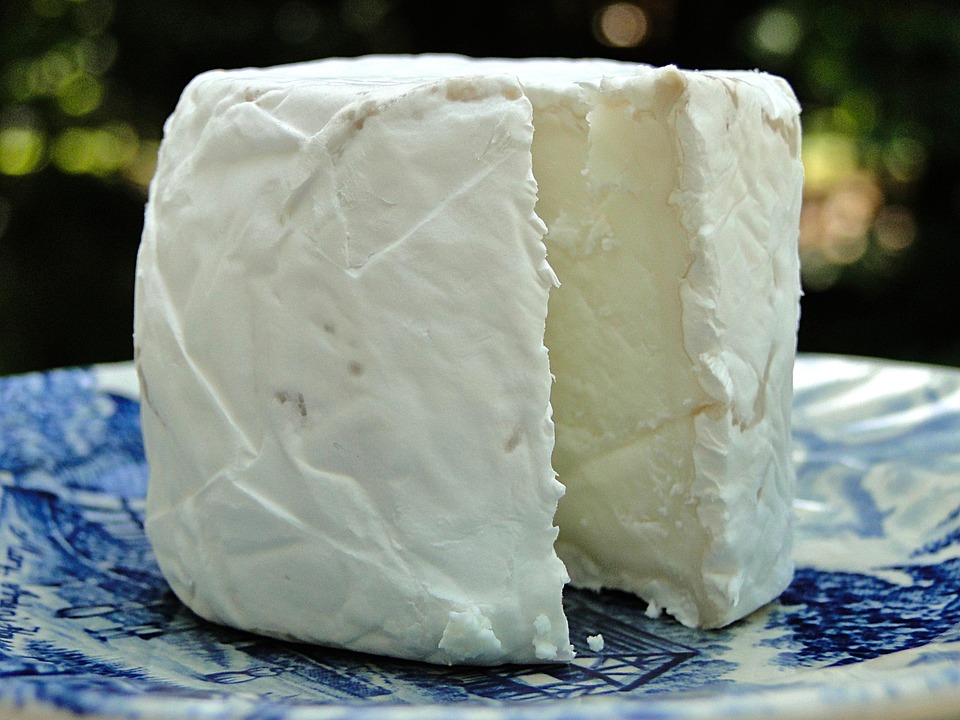
Goat cheese, or chèvre, is a type of cheese that has gained popularity for its unique flavor and nutritional profile. Made from the milk of goats, it offers a variety of health benefits that contribute to overall well-being.
Types of Goat Cheese
- Fresh Goat Cheese
- Soft Goat Cheese
- Hard Goat Cheese
- Aged Goat Cheese
Health Benefits of Goat Cheese
Enhanced Digestion
One of the most notable benefits of goat cheese is its positive impact on digestion. Goat’s milk contains less lactose compared to cow’s milk, making it easier for individuals who are lactose intolerant to enjoy cheese without discomfort.
Rich in Probiotics
Goat cheese is rich in probiotics, which are beneficial bacteria that promote gut health. Probiotics help maintain a balanced microbiome, supporting better digestive health and nutrient absorption.
Ideal for Immune Support
The consumption of goat cheese may also offer immune-boosting properties. It is rich in vitamins and minerals, including Vitamin A, calcium, and zinc, which are essential for a robust immune system.
The Nutritional Profile of Goat Cheese
In addition to being easier to digest, goat cheese contains numerous nutrients that support health.
Calories and Macronutrients
A 28g serving of goat cheese typically contains:
- Calories: 76
- Protein: 4g
- Fat: 6g
- Carbohydrates: 1g
Vitamins and Minerals
Goat cheese is an excellent source of several vitamins and minerals:
- Vitamin A
- Calcium
- Phosphorus
- Potassium
- Zinc
How to Include Goat Cheese in Your Diet
Salads and Dressings
Goat cheese adds a creamy texture to salads. Crumble it over mixed greens with nuts and a honey vinaigrette for a delicious meal.
Spread and Dips
Use goat cheese as a spread on crackers or bread. Combine it with herbs and spices for a flavorful dip that is perfect for entertaining.
Main Dishes
Goat cheese can be included in main dishes, such as in pasta, pizza, or roasted vegetables, elevating the dish while providing health benefits.
Conclusion
Incorporating goat cheese into your diet can offer numerous health benefits, particularly for digestion and immunity. Its unique taste and nutritional profile make it a versatile addition to various recipes, allowing you to enjoy its advantages while tantalizing your taste buds.
Further Reading
For more information on the health benefits of goat cheese, visit Healthline.

FAQs About Goat Cheese: The Secret to Better Digestion and Immunity
1. What makes goat cheese beneficial for digestion?
Goat cheese contains smaller fat globules and a unique protein structure, making it easier to digest compared to cow’s milk cheese. The presence of beneficial probiotics in certain types of goat cheese can also support gut health.
2. How does goat cheese boost immunity?
Rich in vitamins A and D, goat cheese aids in strengthening the immune system. Additionally, its high zinc content helps in the production of immune cells, while probiotics promote a healthy gut microbiome, essential for overall immunity.
3. Can I eat goat cheese if I’m lactose intolerant?
Many people who are lactose intolerant find goat cheese easier to digest, as it contains lower levels of lactose compared to cow’s milk cheese. However, individual tolerance varies, so it’s best to consult with a healthcare professional.
4. How can I incorporate more goat cheese into my diet?
You can add goat cheese to salads, spread it on bread or crackers, use it as a filling for omelets or stuffed vegetables, and incorporate it into pasta dishes for added flavor and nutrition.
5. Are there any potential downsides to eating goat cheese?
While goat cheese has numerous health benefits, it can be high in calories and fat. Moderation is key, especially for individuals on a restricted diet. Always check for quality and sourcing to ensure you are consuming a healthy product.

Health Benefits of Goat Cheese
Lower in Calories and Fat
Goat cheese is often lower in calories and fat compared to traditional cow cheese. This makes it a favorable option for those looking to maintain a healthier diet while still enjoying cheese.
Improved Digestibility
Many people who are lactose intolerant find goat cheese easier to digest. Goat cheese contains less lactose than cow cheese, making it a suitable alternative for those with sensitivities.
Rich in Nutrients
Goat cheese is packed with nutrients, including protein, calcium, and vitamins A and B. It is also a great source of healthy fats that can benefit your overall health.
Potential Anti-Inflammatory Properties
Some studies suggest that the unique fatty acid profile of goat cheese may provide anti-inflammatory benefits, which can help with conditions like arthritis.
Lower Cholesterol Levels
Research indicates that goat cheese may aid in lowering cholesterol levels due to its specific fat composition. This can contribute to better heart health.
For more information on goat cheese, visit Wikipedia.

Goat Cheese: The Secret to Better Digestion and Immunity
- Contains beneficial probiotics that support gut health.
- Lower in lactose than cow’s milk, making it easier to digest.
- Rich in vitamins and minerals, including calcium and potassium.
- Boosts immune function due to its nutrient-dense profile.
- May reduce inflammation and improve overall health.
- Versatile ingredient in various dishes, enhancing flavor and texture.