













Contents
Herbs for Making Homemade Herbal Remedies in Your Kitchen
Herbs have been used for centuries to treat various health issues and ailments. Making homemade herbal remedies using herbs from your kitchen is a great way to harness the therapeutic properties of herbs in a natural and convenient way.
Whether you are looking to boost your immune system, ease a headache, or calm your nerves, there are plenty of herbs that can help. From rosemary and thyme to lavender and chamomile, each herb has its unique properties and can be used to treat a variety of health concerns.
In this article, we will explore some of the most commonly used herbs for making homemade herbal remedies and how to use them. We will also provide you with some simple recipes that you can try at home to make your own herbal remedies. So, let’s get started!

Introduction
Herbal remedies have been used for thousands of years to treat various ailments. Many common herbs can be grown in your own kitchen and used to make a range of natural remedies that can be just as effective as over-the-counter medication. In this blog post, we’ll discuss some of the best herbs for making homemade herbal remedies right in your kitchen.
1. Ginger
Ginger has anti-inflammatory properties that can help alleviate pain and soreness. It’s commonly used to help with nausea and to soothe upset stomachs. Try making a ginger tea by simmering a few slices of fresh ginger in hot water for about 10 minutes. Add honey or lemon for flavor.
2. Turmeric
Turmeric is another anti-inflammatory herb that can help with pain relief. It has been used for thousands of years in traditional Eastern medicine to treat a variety of illnesses. Mix turmeric with coconut oil or milk to make a paste that can be applied topically to relieve joint pain.
3. Chamomile
Chamomile has calming and relaxing properties and is commonly used to help with insomnia and anxiety. Steep chamomile tea bags in hot water for a few minutes, then sweeten with honey if desired.
4. Peppermint
Peppermint is known for its soothing properties and is commonly used to help with digestive issues including bloating and gas. Steep a few peppermint leaves in hot water for about 10 minutes to make a refreshing tea.
5. Garlic
Garlic is known for its antibacterial and antiviral properties and can be used to help fight off colds and other infections. Crush a clove of garlic and mix with honey for a potent natural cough syrup.
6. Sage
Sage has antibacterial and antiseptic properties and can be used to help soothe sore throats and relieve coughs. Steep a few sage leaves in hot water for a few minutes to make a tea.
Conclusion
Herbs can be a powerful tool in your health and wellness arsenal. Many common herbs can be grown in your kitchen and used to make a range of natural remedies. Give some of these herbs a try and see how they can benefit your health.
For more information on the benefits of herbs and herbal remedies, check out the WebMD guide to herbal remedies.

Frequently Asked Questions about Herbs for Making Homemade Herbal Remedies in Your Kitchen
-
What are some common herbs used in homemade herbal remedies?
Some common herbs used in homemade herbal remedies include chamomile, lavender, peppermint, ginger, and echinacea.
-
Can I grow my own herbs for homemade remedies?
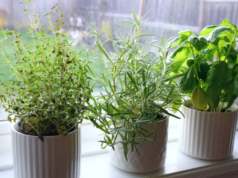
Yes, you can grow your own herbs for homemade remedies. You can either plant them in your garden or in a pot on your windowsill.
-
How do I know which herbs to use for which ailments?
There are many books and resources available that can help you determine which herbs to use for which ailments. You can also consult with a licensed herbalist for guidance.
-
How do I make a homemade herbal remedy?
There are many ways to make a homemade herbal remedy, including tea, tinctures, salves, and balms. It’s important to research and follow a recipe to ensure that you are using the correct method and dosage for the herb you are using.
-
Are homemade herbal remedies safe?
When used correctly, homemade herbal remedies can be safe. However, it’s important to research and follow a recipe to ensure that you are using the correct method and dosage for the herb you are using. It’s also important to consult with a licensed herbalist or medical professional before beginning any herbal remedies, especially if you are taking medication or have a chronic health condition.
-
Where can I buy herbs for homemade remedies?
You can buy herbs for homemade remedies at health food stores, specialty herb shops, or online. It’s important to ensure that the herbs you buy are high quality and from a reputable source.

The Benefits of Using Herbs in the Kitchen
If you’re like most home cooks, you probably have a few trusty herbs that you turn to again and again when you’re preparing meals. But did you know that incorporating a wider variety of herbs into your culinary arsenal can have a range of health benefits?
Boost Your Immune System with Herbs
Many herbs, such as garlic, ginger, and turmeric, have natural antibiotic and antiviral properties that can help your body fight off infections. Adding these herbs to your meals can give your immune system a boost and help keep you healthy.
Reduce Inflammation with Herbs
Inflammation is a major contributor to many chronic diseases, including heart disease, diabetes, and cancer. Luckily, many herbs have anti-inflammatory properties. For example, rosemary, oregano, and sage have been found to reduce inflammation in the body. By adding these herbs to your meals, you can help protect your body from the damaging effects of inflammation.
Add Flavor without Calories
When you’re trying to eat healthily, cutting calories can be a challenge. But by using herbs to add flavor to your meals, you can enjoy delicious, satisfying food without piling on the calories. Adding fresh herbs like basil or parsley to salads, soups, and other dishes can give them a burst of flavor and nutrition without adding any significant calories.
So next time you’re in the kitchen, be sure to reach for a variety of herbs to incorporate into your meals. Not only will you be adding delicious flavor, but you’ll also be promoting your health and well-being!
For more information on the benefits of using herbs in the kitchen, check out this page on culinary herbs from Wikipedia.
Herbs for Making Homemade Herbal Remedies in Your Kitchen
- Chamomile – for digestive issues and relaxation
- Ginger – for nausea and inflammation
- Peppermint – for digestive issues and headaches
- Lavender – for anxiety and sleeplessness
- Echinacea – for boosting the immune system
- Garlic – for fighting infections
- Turmeric – for reducing inflammation and pain
- Valerian root – for anxiety and sleeplessness
- Elderberry – for cold and flu relief
Category – Pepper, Salt and Herbs