Contents
Master the Art of Seasoning: Choosing Between Fine Salt and Coarse Salt in the Kitchen
Seasoning is a fundamental aspect of cooking that can elevate your dishes from ordinary to extraordinary. Among the various ingredients available, salt is perhaps the most crucial, acting as a flavor enhancer and balancing agent. However, not all salts are created equal. In this guide, we will explore the differences between fine salt and coarse salt, helping you make informed choices in your culinary adventures. Whether you’re a budding chef or a seasoned pro, understanding these salts will enable you to master the art of seasoning and achieve perfect flavors in every dish.

Understanding Salt Types
Fine Salt
Fine salt, often referred to as table salt, is characterized by its small, uniform granules. It dissolves quickly and is primarily used for a range of cooking and baking applications. Its fine texture allows for easy mixing and even distribution in recipes.
Coarse Salt
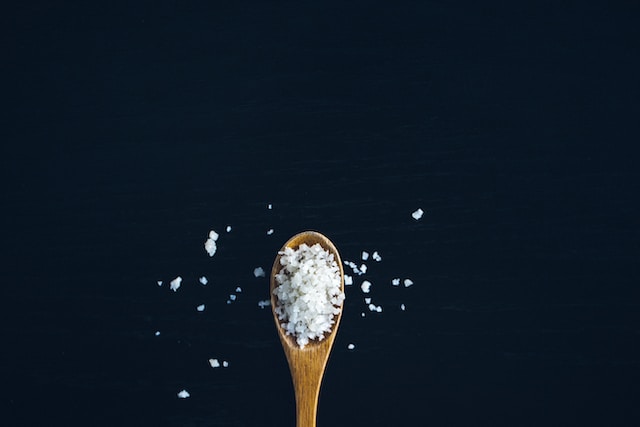
Coarse salt features larger granules, ideal for seasoning meats or vegetables just before cooking. The texture provides a crunch and a burst of flavor, making it particularly popular for finishing dishes.
The Flavor Profile
How Each Type Affects Taste
While both types of salt are sodium chloride, their impact on flavor can differ due to texture and dissolution rates. Fine salt tends to integrate seamlessly into dishes, enriching flavors without altering texture. Conversely, coarse salt can enhance the dish by providing a contrast to smoother textures and can amplify flavors with its crunch.
When to Use Fine Salt
In Baking
Fine salt is often preferred in baking because it dissolves quickly and evenly, ensuring a balanced flavor throughout the product. For recipes like cookies and cakes, fine salt is essential for mixing into dry ingredients.
In Sauces and Soups
When creating sauces or soups, fine salt allows for precise seasoning as it mixes in swiftly, helping to build complex and layered flavors.
When to Use Coarse Salt
As a Finishing Touch
Coarse salt shines as a finishing touch on dishes. Sprinkling it on meats, vegetables, or even baked goods adds texture and enhances the overall presentation.
In Brining
Coarse salt dissolves more slowly, making it ideal for brining meats. It ensures a rich infusion of flavor without overpowering the natural taste of the ingredients.
Salt Substitutes and Alternatives
If you’re looking to explore further, consider natural mineral salts like Himalayan pink salt or sea salt, which offer unique flavor profiles and mineral content. For more information on different types of salt and their uses, visit The Kitchn.
Conclusion
Mastering the art of seasoning in the kitchen boils down to understanding the unique properties of fine and coarse salt. With this knowledge, you’ll be better equipped to enhance your dishes and elevate your cooking skills.
FAQs About Mastering the Art of Seasoning
What is the difference between fine salt and coarse salt?
Fine salt has smaller crystals, making it more soluble and easier to dissolve. Coarse salt has larger crystals, which provide a crunchier texture and longer-lasting flavor.
When should I use fine salt?
Fine salt is great for baking, where precise measurements are crucial, or for finishing dishes that require a quick dissolution.
When is coarse salt preferred?
Coarse salt is ideal for grilling or roasting meats, seasoning vegetables, or as a finishing touch due to its crunch and visual appeal.
Can I substitute fine salt for coarse salt and vice versa?
Yes, but be aware that due to different crystal sizes, a direct substitution may not yield the same flavor intensity or texture. Adjust quantities accordingly.
Is one type of salt healthier than the other?
Both fine and coarse salt contain the same sodium content. The choice should be based on culinary application rather than health.
How can I store fine and coarse salt?
Store both salts in a cool, dry place in airtight containers to keep them fresh and free from moisture.
This code snippet creates a structured FAQ section about the differences and uses of fine salt and coarse salt.

Understanding Fine Salt and Coarse Salt
When it comes to choosing salt for your recipes, understanding the difference between fine salt and coarse salt is crucial for achieving the desired flavor and texture in your dishes. Both types offer unique properties that can influence your cooking.
What is Fine Salt?
Fine salt, often referred to as table salt, has small grains and dissolves quickly in dishes. This type of salt is ideal for baking and seasoning food before cooking. Its fine texture allows for even distribution, making it easy to measure accurately.
What is Coarse Salt?
Coarse salt features larger grains compared to fine salt. This type is typically used for seasoning meats and vegetables, providing a crunchier texture and a burst of flavor. Coarse salt is also great for finishing dishes, where it enhances presentation.
Choosing Between Fine and Coarse Salt
The choice between fine and coarse salt often comes down to the specific recipe and personal preference. Adjustments in measurements may be necessary when swapping one for the other, as the saltiness can vary significantly.
Measuring Salt in Recipes
When substituting one type for another, remember that 1 teaspoon of fine salt is roughly equivalent to 1.5 teaspoons of coarse salt. This difference in density is important for maintaining the right flavor balance in your dishes.
Salt in Culinary Techniques
Both fine and coarse salts can enhance various culinary techniques, from brining to curing. For detailed information on salt varieties and their uses, check out the Wikipedia page on salt.
Master the Art of Seasoning: Choosing Between Fine Salt and Coarse Salt in the Kitchen
- Types of Salt: Understand the difference between fine salt and coarse salt.
- Texture: Fine salt dissolves quickly; coarse salt provides a crunch.
- Usage: Fine salt is ideal for baking and seasoning; coarse salt is great for finishing dishes.
- Flavor: Coarse salt enhances flavor with a burst in each bite.
- Measurement: Adjust measurements when substituting to avoid over or under-seasoning.
- Storage: Store in a cool, dry place to maintain freshness.
- Experiment: Try different salts to find the perfect match for your dishes.