


Contents
How can you substitute different types of flour in baking?
Baking requires flour as a crucial ingredient. However, with the increasing demand for gluten-free and healthier options, people are experimenting with different types of flour. Here are some ways to substitute different types of flour in your baking:
1. All-Purpose Flour Substitutes:
All-purpose flour is the most commonly used flour in baking. However, you can substitute it with other flours such as:
- Bread Flour
- Cake Flour
- Self-Rising Flour
Each of these flours has different protein content and texture, which can change the outcome of your baked goods. Make sure to research the differences before substituting.
2. Gluten-Free Flour Substitutes:
If you have a gluten allergy or sensitivity, you can use gluten-free flours such as:
- Rice Flour
- Almond Flour
- Coconut Flour
You can also use gluten-free flour blends, which are pre-made combinations of different flours. However, like with all-purpose flour substitutes, each gluten-free flour has unique properties that can affect your baking, so be sure to do your research.
3. Healthier Flour Substitutes:
If you want to make your baked goods healthier, you can substitute regular flour with:
- Whole Wheat Flour
- Oat Flour
- Chickpea Flour
These flours are higher in fiber and nutrients than all-purpose flour but may have a different taste and texture than what you’re used to. Experimentation may be required to get the desired results.
In conclusion, there are many ways to substitute different types of flour in baking. However, it’s essential to research and understand the properties of each flour before using them as a substitute to get the best results.
Introduction
Baking is an art and a science, and part of it involves choosing the right type of flour for your recipe. However, sometimes you may not have the exact type of flour that a recipe calls for or may want to try a different type. In this post, we will discuss how to substitute different types of flour in baking.
All-Purpose Flour
All-purpose flour is a versatile flour used in many baking recipes. If a recipe calls for all-purpose flour, you can substitute it with other types of flour based on the desired texture and flavour.
Bread Flour
Bread flour has a higher protein content than all-purpose flour, which makes it ideal for recipes that require a lot of gluten development like bread, bagels, and pizza dough. To substitute bread flour for all-purpose flour, use 1 cup and 2 tablespoons of bread flour for every cup of all-purpose flour.
Source: Substituting Flours
Pastry Flour
Pastry flour has a lower protein content than all-purpose flour, which makes it ideal for recipes that require a lighter texture like cakes, cookies, and pie crusts. To substitute pastry flour for all-purpose flour, use 1 cup and 2 tablespoons of pastry flour for every cup of all-purpose flour.
Source: Substitute for Pastry Flour
Whole Wheat Flour
Whole wheat flour is made from whole wheat grains and contains more fibre and nutrients than all-purpose flour. If a recipe calls for whole wheat flour, you can substitute it with other types of flour based on the desired texture and flavour.
White Whole Wheat Flour
White whole wheat flour is made from white wheat grains and has a milder taste than regular whole wheat flour. To substitute white whole wheat flour for whole wheat flour, use the same amount.
Source: Whole Wheat Pastry Flour
Almond Flour
Almond flour is made from ground almonds and is gluten-free. It has a nutty flavour and is high in healthy fats and protein. To substitute almond flour for all-purpose flour, use 1 cup of almond flour for every 1/4 to 1/3 cup of all-purpose flour.
Source: 7 Almond Flour Recipes for Healthier Meals
Conclusion
Substituting different types of flour in baking can be tricky but with the right knowledge, you can achieve the desired texture and flavour of your baked goods. Remember that different types of flour have different properties, so it’s essential to experiment and find what works best for your recipe.

Frequently Asked Questions – Flour Substitution
What are the different types of flour?
There are various types of flour used for baking such as All-purpose flour, Bread flour, Cake flour, and Pastry flour. Whole wheat flour, Gluten-free flour, and Nut-based flour are some of the other types of flour used in baking.
Why do we need to substitute flour?
People substitute flour due to reasons like gluten intolerance, allergies to wheat, preference for a gluten-free diet or to add more nutritional value by using different types of flour.
How can I substitute All-purpose flour with Cake flour?
All-purpose flour can be substituted with Cake flour by using three cups of cake flour instead of four cups of all-purpose flour.
What is the substitution ratio for Bread flour and All-purpose flour?
You can substitute Bread flour with All-purpose flour by using 1:1 substitution ratio.
How can I substitute Whole Wheat flour with All-purpose flour?
One cup of whole wheat flour can be substituted with 1 and 1/4 cups of all-purpose flour.
What is the substitute for Gluten-free flour?
Some of the substitutes for gluten-free flour are almond flour, coconut flour, rice flour, and tapioca flour.

Flour – A Staple Ingredient in Every Kitchen!
What is Flour?
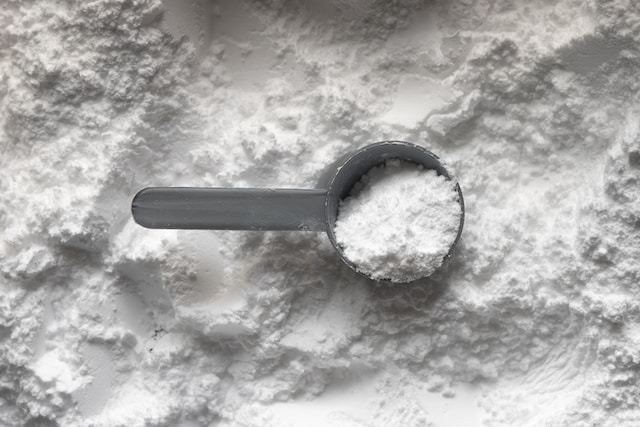
Flour is a basic ingredient that is commonly used in almost every household around the world. It is a finely ground powder that is made by grinding grains or seeds.
Types of Flour:
There are many types of flour available, including:
- All-Purpose Flour
- Whole Wheat Flour
- Bread Flour
- Cake Flour
- Pastry Flour
Uses of Flour:
Flour is a very versatile ingredient that can be used in many different ways. Some of the most common uses of flour include:
- Baking
- Cooking
- Dusting
- Thickening
If you want to learn more about the different types of flour and their uses, you can visit the Wikipedia page about Flour.
How to Substitute Different Types of Flour in Baking
- Whole Wheat Flour: can be substituted for up to half of all-purpose flour in most recipes, and provides more fiber and nutrients
- Almond Flour: can be substituted for up to one third of the flour in recipes for cakes, muffins, and quick breads, but may require additional binding ingredients
- Coconut Flour: absorbs more liquid than other flours, so it should be substituted with a 1:4 ratio of coconut flour to another flour and additional liquid may be needed in the recipe
- Rice Flour: can be used as a gluten-free substitute for all-purpose flour in recipes for muffins, cakes, and cookies, but may produce a denser texture
- Buckwheat Flour: can be used in gluten-free recipes and provides a nutty flavor, but may require additional binding ingredients





