

Contents
How Does Reverse Osmosis Work?
Reverse osmosis is a water filtration process that removes impurities from water, making it safe for consumption. The process uses a semipermeable membrane to separate and eliminate contaminants such as salt, viruses, and bacteria from the water.
The membrane allows only water molecules to pass through, while any impurities are left behind and later discharged as waste. The water is forced through the membrane by applying pressure, which creates a concentrated solution of impurities that are separated from the pure water.
Reverse osmosis systems are commonly used in homes, industries, and municipal water treatment plants. They are effective in purifying water and can remove particles as small as 0.0001 microns.
The benefits of reverse osmosis include better-tasting water, improved odor, and increased water purity. Additionally, the process is environmentally friendly and can reduce the need for bottled water, which can be costly and create plastic waste.
In conclusion, reverse osmosis is an effective method for purifying water, and its applications are widespread. Understanding how it works can help people make informed decisions about their drinking water sources.

💧 = Use the coupon code SALEG3P800 to save $150 OFF on the 800GPD Tankless RO System with UV Sterilizing Light – Waterdrop G3P800 = 💧
How Does Reverse Osmosis Work?
Reverse osmosis (RO) is a water purification process that uses a semipermeable membrane to remove ions, particles, and other impurities from water. The process works by applying external pressure to push water through the membrane, leaving behind any contaminants. In this blog post, we will explain the science behind reverse osmosis and discuss how it works.
What is Reverse Osmosis?
Reverse osmosis is a filtration process that uses a semipermeable membrane to remove molecular particles and ions from water. It is an advanced water purification technique that is capable of removing a wide range of impurities, including bacteria, viruses, and dissolved solids.
The semipermeable membrane in reverse osmosis has pores small enough to allow water molecules through, but not large enough to let larger particles or impurities pass. The membrane acts as a barrier, blocking or removing most of the dissolved solids and other impurities from the water.
How Does Reverse Osmosis Work?
The reverse osmosis process works by applying hydraulic pressure to a solution, forcing water molecules through the membrane while retaining the larger solutes on the other side of the membrane. The process is widely used in the water treatment industry, and also in the food and beverage industry.
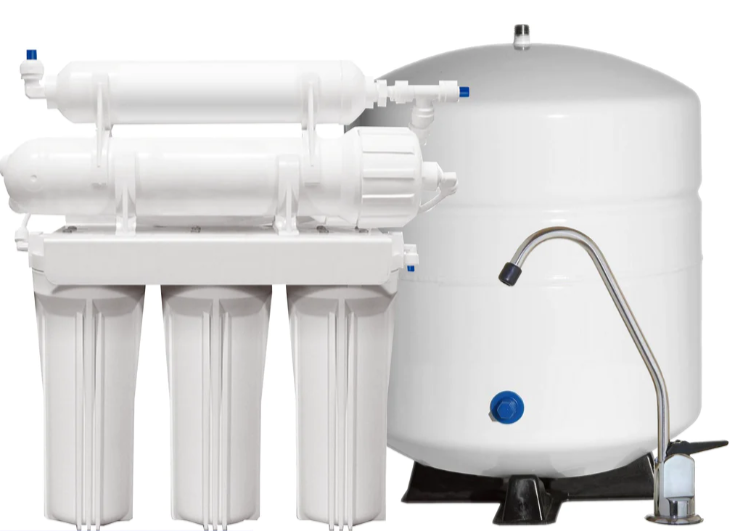
The reverse osmosis system consists of four stages, including:
- Pre-Filtration: This stage involves removing larger impurities to ensure that the water is free from sediment and debris. The pre-filtration stage helps to extend the life of the reverse osmosis membrane.
- Reverse Osmosis: In this stage, the water undergoes reverse osmosis using a semipermeable membrane. The membrane is thin and has a high surface area, providing ample access for water molecules to pass through.
- Post-Filtration: After the reverse osmosis stage, the water passes through another filter to remove any remaining impurities that may have passed through the membrane. This stage is important to ensure that the water is free from any contaminants.
- Storage and Distribution: In this final stage, the purified water is stored in a tank and distributed to the end-user through a faucet or a dispenser.
Benefits of Reverse Osmosis
Reverse osmosis has numerous benefits, including:
- Removing dissolved solids and impurities
- Removing unwanted odors and flavors
- Improving the taste and quality of water
- Reducing the level of bacteria, viruses, and other contaminants
Conclusion
Reverse osmosis is an effective water purification process that is widely used in many industries, including water treatment, food, and beverage production. The process works by using a semipermeable membrane that allows water molecules to pass through while retaining larger particles and impurities. It has numerous benefits, including removing dissolved solids and impurities, improving taste, and reducing contaminants.
If you want to learn more about reverse osmosis and water filtration systems, check out our blog post on the topic.
Keywords:
Reverse Osmosis, Water Purification, Water Treatment, Semipermeable Membrane, Filtration Process, Post-Filtration, Pre-Filtration, Solutes, Impurities, Contaminants.
💧 = Use the coupon code SALEG3P800 to save $150 OFF on the 800GPD Tankless RO System with UV Sterilizing Light – Waterdrop G3P800 = 💧
Shop now for Waterdrop N1
How does reverse osmosis work?
Reverse osmosis is a process that involves forcing water through a semi-permeable membrane. This membrane only allows water molecules to pass through, and any impurities that are present in the water are left behind.
What is the purpose of reverse osmosis?
The purpose of reverse osmosis is to remove impurities from the water. This includes minerals, salts, bacteria, and other contaminants. Reverse osmosis is often used to purify drinking water, as well as to treat wastewater and industrial water.
How does the reverse osmosis process work?
During the reverse osmosis process, water is forced through a semi-permeable membrane under pressure. The membrane allows only water molecules to pass through, while impurities are left behind. The purified water is collected on one side of the membrane, while the impurities are discarded on the other side.
What are the benefits of reverse osmosis?
The main benefit of reverse osmosis is that it provides pure, clean water. This is especially important for drinking water, as impurities in the water can affect the taste and quality of the water. Reverse osmosis is also an effective method of removing contaminants from wastewater, making it safe for disposal or reuse.

What is Reverse Osmosis and How Does it Work?
Reverse osmosis is a water filtration process that involves removing dissolved impurities such as minerals, salts, and other contaminants from water. The process involves forcing water through a semi-permeable membrane under high pressure, which allows only the water molecules to pass through, leaving behind the impurities.
Why is Reverse Osmosis Important?
Reverse osmosis is important because it helps remove harmful contaminants from water, making it safe for consumption. It is commonly used in water treatment systems for residential and commercial purposes. It is also used in industries such as pharmaceuticals, food and beverage, and electronics manufacturing to purify water and remove impurities from their products.
Is Reverse Osmosis Effective?
Reverse osmosis is one of the most effective water filtration processes available. It can remove up to 99% of dissolved impurities from water, including bacteria, viruses, and microorganisms. It is a reliable method for providing clean and safe water for drinking and other uses.
If you want to learn more about reverse osmosis, check out this Wikipedia page for more information.
How Does Reverse Osmosis Work?
Brief Overview:
- Reverse osmosis is a water purification process.
- It uses a semi-permeable membrane to remove impurities from water.
- The membrane filters out molecules larger than water molecules.
- The purified water is then collected and the impurities are discarded.
Step-by-Step Process:
- Water enters the system and is fed through a pre-filter to remove larger particles.
- The water is then pressurized and sent to the semi-permeable membrane.
- The membrane allows water molecules to pass through, but blocks impurities and minerals.
- The purified water is collected in a tank or container.
- The impurities and rejected water are discarded or sent for further treatment.
Benefits of Reverse Osmosis:
- Removes up to 99% of contaminants.
- Produces clean and safe drinking water.
- Requires no chemicals or electricity.
- Can be used in households and industries.
💧 = Use the coupon code SALEG3P800 to save $150 OFF on the 800GPD Tankless RO System with UV Sterilizing Light – Waterdrop G3P800 = 💧
Category – Reverse osmosis and filters