

Contents
How long does a reverse osmosis membrane last?
When it comes to reverse osmosis (RO) systems, the membrane is a critical component that plays a key role in removing impurities and contaminants from water. The RO membrane is designed to last for several years, but the lifespan can be affected by various factors.
The quality of the water: The quality of the feed water that goes into the RO system can affect the lifespan of the membrane. Water with high levels of contaminants, such as minerals and organic matter, can cause the membrane to wear out faster.
The system’s maintenance: Proper maintenance of the RO system can extend the lifespan of the membrane. Keeping the system clean, changing the filters regularly, and avoiding clogs and blockages can help the membrane last longer.
The amount of usage: The amount of water that is processed through the RO system can also affect the lifespan of the membrane. A membrane that is exposed to high volumes of water will wear out faster than one that is used less frequently.
The average lifespan of an RO membrane is around 2-3 years, but it can last up to 7 years with proper care and maintenance. It’s important to monitor the performance of the RO system regularly and replace the membrane when it starts to show signs of wear and tear.

💧 = Use the coupon code SALEG3P800 to save $150 OFF on the 800GPD Tankless RO System with UV Sterilizing Light – Waterdrop G3P800 = 💧
Introduction
Reverse osmosis membrane is a popular water filtration technology used to remove impurities and pollutants from water. However, one of the most common questions about reverse osmosis membranes is how long they last. In this blog post, we will explore this topic in detail, discussing the lifespan of a reverse osmosis membrane and how to prolong its life.
What is a Reverse Osmosis Membrane?
A reverse osmosis membrane (ROM) is a semi-permeable membrane that is used to filter water. It works by allowing water molecules to pass through while other contaminants, such as bacteria, viruses, and minerals, are trapped and removed. This technology is widely used in many applications, including water treatment plants, industrial and commercial purposes, and even in residential water filtration systems.
Factors Affecting the Life of a Reverse Osmosis Membrane
The lifespan of a reverse osmosis membrane can vary depending on different factors. Here are some of the main aspects that can affect the life of a ROM:
Water Quality
The quality of the water being treated by a reverse osmosis membrane is one of the most critical factors that can impact its lifespan. If the water is contaminated with high levels of pollutants, bacteria, or minerals, the membrane may become clogged, reducing its efficiency and lifespan.
Maintenance
The maintenance of a reverse osmosis system is also crucial. A well-maintained system can significantly prolong the life of the membrane. Regular cleaning and replacement of damaged components will ensure that the system is functioning properly, reducing the risk of membrane failure.
System Design
The design of the reverse osmosis system can also impact the life of the membrane. The flow rate, pressure, and temperature of the water must be properly regulated to prevent damage to the membrane. Choosing the right materials and components is also essential to ensure the system can operate effectively.
Water Chemistry
The chemistry of the water being treated by the membrane can also affect its lifespan. High pH or temperature can cause scaling, which can reduce the efficiency of the membrane. Similarly, low pH or temperature can damage the membrane, reducing its lifespan.
How Long Does a Reverse Osmosis Membrane Last?
The lifespan of a reverse osmosis membrane can vary from system to system. Generally, a well-maintained reverse osmosis system can last between 3-5 years. However, with proper maintenance, some membranes have been known to last up to 7 years or more.
How to Prolong the Life of a Reverse Osmosis Membrane
Here are some tips on how to prolong the life of your reverse osmosis membrane:
Change Filters Regularly
The pre-filters of the system should be replaced regularly, as they can become clogged with impurities and reduce the efficiency of the membrane.
Clean the Membrane
The membrane should be cleaned regularly to remove any buildup and prolong its life. A qualified technician can assist with this process.
Check System Performance
A regular check of the system’s performance can help identify any issues early and maintain the efficiency of the membrane. Monitoring the system’s parameters, such as flow rate and pressure, can give indications of any problems that may be occurring.
Use Good Water Quality
Ensuring that the water used in the system is of good quality can help prevent the membrane from becoming clogged and reduce the risk of damage.
Conclusion
A reverse osmosis membrane is an essential component of any water filtration system, and its lifespan can vary depending on different factors. While a well-maintained system can last between 3-5 years or more, proper maintenance and care can significantly prolong the life of the membrane. By following the tips outlined in this article, you can ensure that your reverse osmosis system operates efficiently and the membrane lasts as long as possible.
For more information about reverse osmosis membranes and water filtration systems, check out our related post.
Keywords:
Reverse osmosis membrane, lifespan, water filtration, contaminants, maintenance, water quality, system design, water chemistry, filters, system performance, good water quality, scaling, efficiency.
💧 = Use the coupon code SALEG3P800 to save $150 OFF on the 800GPD Tankless RO System with UV Sterilizing Light – Waterdrop G3P800 = 💧
Shop now for Waterdrop N1
FAQs
How long does a reverse osmosis membrane last?
Generally, a reverse osmosis membrane can last from 2 to 5 years depending on water quality, usage, and maintenance. However, some high-quality reverse osmosis membranes can last up to 7 to 10 years.
The lifespan of the RO membrane can be affected by several factors such as:
- The quality of water being treated. If the water source contains high levels of contaminants or sediments, the membrane may need to be replaced more frequently.
- The usage of the RO system. Higher usage may require more frequent membrane replacements.
- The maintenance of the RO system. Regular cleaning and sanitizing can extend the life of the membrane.
It is important to note that regular monitoring of the system’s performance and water quality testing can determine when a membrane needs to be replaced. Signs of a failing membrane include reduced water flow, drop in water quality, and increased water waste.

Understanding Reverse Osmosis and Its Importance
Reverse osmosis is a water purification process that removes contaminants from water by using pressure to force water molecules through a semipermeable membrane. It is a highly effective method of removing dissolved salts, bacteria, viruses, and other impurities from water, making it safe for consumption.
How Does Reverse Osmosis Work?
Reverse osmosis works by using pressure to force water through a semipermeable membrane, which blocks contaminants and allows only pure water molecules to pass through. As water enters the reverse osmosis system, it goes through several stages of filtration, including sediment filtration, carbon filtration, and submicron filtration, before being treated by the semipermeable membrane.
The Benefits of Reverse Osmosis
Reverse osmosis has numerous benefits, including:
- Removal of up to 99% of impurities from water, making it safe and pure for consumption
- Improvement in the taste, odor, and clarity of water
- Reduction in waterborne diseases
- Cost-effective and efficient method of water purification
Conclusion
Reverse osmosis is a highly effective method of purifying water, providing safe, pure, and clean drinking water. With its numerous benefits, it is no wonder that reverse osmosis systems are becoming increasingly popular in households and industries worldwide.
For further information on reverse osmosis, please visit Wikipedia’s Reverse Osmosis Page.
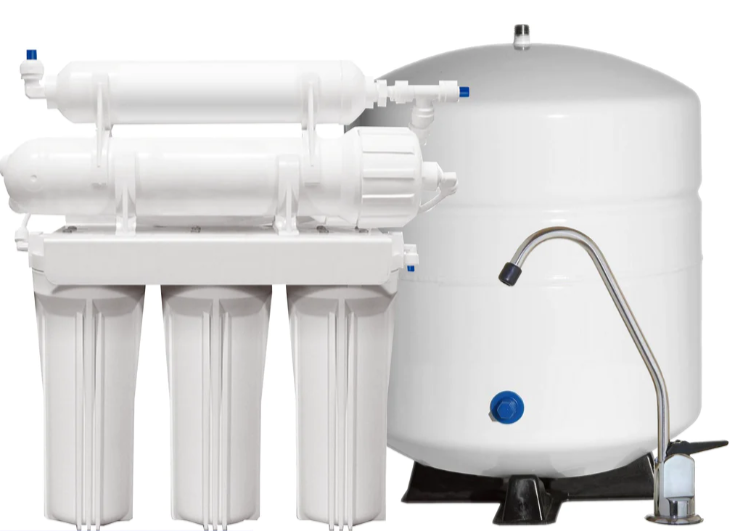
How Long Does a Reverse Osmosis Membrane Last?
- Average lifespan is 2-3 years
- Depends on quality of membrane and water condition
- Membrane may last up to 5 years with proper maintenance
- Factors that affect lifespan include pH level, temperature, and pressure
- Regular cleaning and replacement of pre-filters can extend membrane lifespan
Conclusion
In summary, a reverse osmosis membrane typically lasts 2-3 years but can last up to 5 years with proper maintenance. pH level, temperature, and pressure all affect lifespan, as does the quality of the membrane and water condition. Regular cleaning and replacement of pre-filters can extend the membrane’s lifespan.
💧 = Use the coupon code SALEG3P800 to save $150 OFF on the 800GPD Tankless RO System with UV Sterilizing Light – Waterdrop G3P800 = 💧
Category – Reverse osmosis and filters