

Contents
How Reverse Osmosis Systems Work and Why You Should Consider Installing One
Reverse osmosis systems work by using pressure to force water molecules through a semi-permeable membrane, effectively removing impurities and contaminants. These systems are highly effective at removing a wide range of pollutants from water, including chemicals, minerals, and particles.
There are many reasons to consider installing a reverse osmosis system in your home. Not only do they provide clean, safe drinking water, but they also remove unpleasant tastes and odors from water. Additionally, reverse osmosis systems can save money on bottled water expenses and reduce the environmental impact of plastic waste.
Whether you’re concerned about the quality of your tap water or simply want the peace of mind that comes with knowing your drinking water is safe, a reverse osmosis system is an effective and affordable solution.

💧 = Use the coupon code SALEG3P800 to save $150 OFF on the 800GPD Tankless RO System with UV Sterilizing Light – Waterdrop G3P800 = 💧
Understanding Reverse Osmosis Systems
Reverse osmosis (RO) is a water purification process that uses a partially permeable membrane to remove ions, molecules, and larger particles from drinking water. This process is highly effective in producing clean and safe drinking water for residential and commercial use.
How Reverse Osmosis Systems Work
RO systems work by applying pressure to a concentrated solution (the raw water), forcing it through a semi-permeable membrane. The membrane allows water molecules to pass through while trapping contaminants such as dissolved salts, bacteria, and organic compounds. The purified water is collected on one side of the membrane, while the contaminants are washed away and flushed down the drain.
RO systems typically consist of multiple filtration stages, including sediment filtration, carbon filtration, and the RO membrane itself. This multi-stage process ensures that the water is thoroughly purified, resulting in a high-quality product that is free from impurities and harmful substances.
Why You Should Consider Installing a Reverse Osmosis System
There are several compelling reasons to consider installing an RO system in your home or business:
- Improved Water Quality: RO systems can effectively remove contaminants such as lead, chlorine, and fluoride, resulting in cleaner and better-tasting water.
- Health Benefits: By removing harmful substances from drinking water, an RO system can help protect your health and well-being.
- Cost Savings: Investing in an RO system can save you money in the long run by reducing the need for bottled water and expensive filtration pitchers.
- Environmental Impact: By producing your own purified water at home, you can reduce plastic waste and minimize your environmental footprint.
- Convenience: Having access to clean and safe drinking water at all times without the need to rely on external sources is an undeniable convenience.
Overall, installing a reverse osmosis system can provide you with a sustainable and reliable source of clean drinking water, offering numerous benefits for your health, budget, and the environment.
If you’re interested in learning more about RO systems and their benefits, check out our related blog post on the topic.
Don’t hesitate to reach out to us if you have any questions or if you’re considering installing an RO system in your home or business.
💧 = Use the coupon code SALEG3P800 to save $150 OFF on the 800GPD Tankless RO System with UV Sterilizing Light – Waterdrop G3P800 = 💧
Shop now for Waterdrop N1
How Reverse Osmosis Systems Work
Reverse osmosis is a water purification process that uses a partially permeable membrane to remove ions, molecules, and larger particles from drinking water. In a reverse osmosis system, water is forced through the membrane, leaving contaminants behind and producing clean, purified water.
What are the key components of a reverse osmosis system?
A typical reverse osmosis system includes a pre-filter, membrane, post-filter, and storage tank. The pre-filter removes larger particles and sediment, while the membrane selectively removes contaminants from the water. The post-filter further refines the water before it is stored in the tank.
Why is reverse osmosis an effective water purification method?
Reverse osmosis is an effective water purification method because it can remove a wide range of contaminants, including chlorine, fluoride, lead, arsenic, and more. It produces high-quality, great-tasting water that is free from impurities.
Why You Should Consider Installing a Reverse Osmosis System
There are several reasons to consider installing a reverse osmosis system in your home. First, it can provide you with clean, great-tasting drinking water that is free from contaminants. Additionally, it can reduce the need for bottled water, saving you money and reducing plastic waste.
What are the benefits of using a reverse osmosis system?
Using a reverse osmosis system can improve the taste and quality of your drinking water, as well as provide peace of mind knowing that it is free from harmful contaminants. It can also extend the life of your plumbing and appliances by reducing mineral buildup.

What is Reverse Osmosis?
Reverse osmosis is a water treatment process that removes impurities and contaminants from water by using pressure to force water molecules through a semipermeable membrane. This process is commonly used in home water filtration systems to provide clean and safe drinking water.
How Does Reverse Osmosis Work?
The reverse osmosis system works by applying pressure to the water to push it through the membrane, which only allows pure water molecules to pass through. This effectively eliminates dissolved solids, bacteria, and other harmful contaminants from the water, resulting in purified water.
Benefits of Reverse Osmosis Systems
Reverse osmosis systems provide numerous benefits, including improved taste and odor of water, reduced risk of consuming harmful contaminants, and convenience in having access to clean drinking water right at home.
For more detailed information on reverse osmosis systems, you can visit the Wikipedia page.
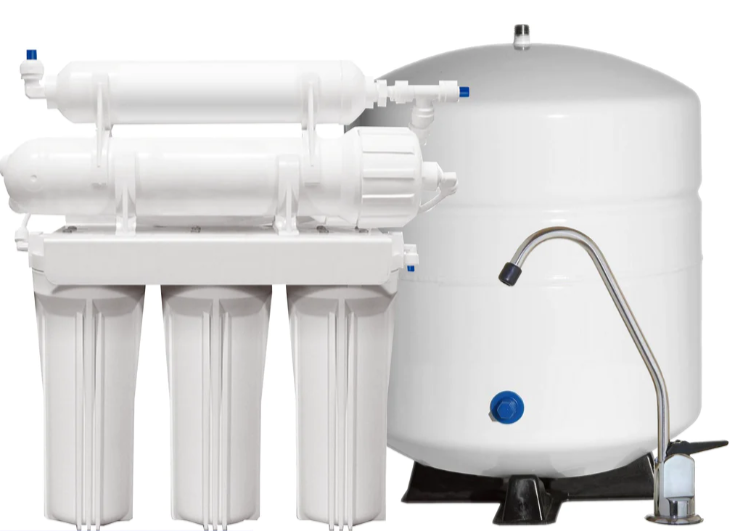
How Reverse Osmosis Systems Work
-
Pre-Filtration:
Water passes through a pre-filter to remove sediment and larger particles.
-
Reverse Osmosis Membrane:
Water is forced through a semipermeable membrane, where contaminants are filtered out.
-
Post-Filtration:
The purified water goes through a final carbon filter to remove any remaining tastes or odors.
Why You Should Consider Installing One
-
Purified Water:
Reverse osmosis systems provide clean, great-tasting water free from impurities.
-
Health Benefits:
Removing contaminants can lead to improved health and well-being for you and your family.
-
Cost Savings:
By eliminating the need for bottled water, you can save money in the long run.
💧 = Use the coupon code SALEG3P800 to save $150 OFF on the 800GPD Tankless RO System with UV Sterilizing Light – Waterdrop G3P800 = 💧
Category – Reverse osmosis and filters