
















Contents
How to Choose a Water Filter for Your Family’s Needs
Choosing the right water filter for your family’s needs is essential for ensuring access to clean and safe drinking water. With various types of filters on the market, understanding your options can be overwhelming. Factors such as contaminant removal, installation type, and filter lifespan are crucial in making an informed decision.
Begin by identifying your family’s specific requirements. Consider factors like the source of your water (well or municipal), any known contaminants, and your family’s water consumption. Once you establish these parameters, you can narrow down the various options available, from activated carbon filters to reverse osmosis systems.
Ultimately, investing time in researching the best water filter will contribute to your family’s health and well-being, providing assurance that the water you consume meets safe standards.

💧 = Use the coupon code SALEG3P800 to save $150 OFF on the 800GPD Tankless RO System with UV Sterilizing Light – Waterdrop G3P800 = 💧
Understanding Water Quality
Before choosing a water filter, it’s essential to understand the quality of your local water supply. Conduct a water quality test to identify contaminants, such as:
- Chlorine
- Lead
- Fluoride
- Microbial cysts
Types of Water Contaminants
Your water supply may contain various contaminants, including:
- Physical contaminants: Sediment, dirt, and rust.
- Chemical contaminants: Pesticides and heavy metals.
- Biological contaminants: Bacteria and viruses.
Types of Water Filters
Choosing a water filter depends on the type of contaminants you need to address. Here are common types of water filters:
1. Activated Carbon Filters
Effective at removing chlorine, bad odors, and tastes, but not all types remove heavy metals.
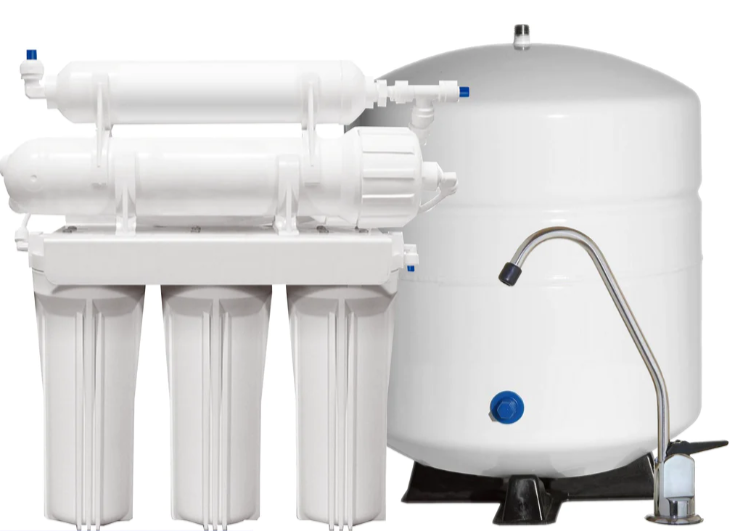
2. Reverse Osmosis Systems
Highly effective for removing a wide range of contaminants, including lead and microbial cysts. They typically take up more space.
3. UV Water Purifiers
Use ultraviolet light to kill bacteria and viruses but do not remove chemical contaminants.
4. Pitcher Filters
Convenient but may not address all contaminants. Ideal for light filtration needs.
Assessing Family Needs
Consider the following factors when selecting a water filter for your family:
1. Household Size
Determine how much filtered water your family consumes daily. A larger household may require a system with higher output.
2. Specific Health Concerns
If someone in your family has specific health issues, like compromised immunity, opt for a high-efficiency filter.
3. Budget
Factors include the initial purchase price, replacement filter costs, and maintenance expenses.
4. Space Availability
Ensure that the chosen system fits correctly in your kitchen or home setup.
Features to Consider
Be sure to evaluate these features before making a decision:
Flow Rate
How quickly water can be filtered may be crucial, especially for larger families.
Filter Lifespan
Check how long each filter lasts and the cost of replacement filters.
Certifications
Select filters that meet standards established by organizations like NSF International to ensure effectiveness.
Conclusion
Choosing the right water filter for your family’s needs is essential for maintaining good health. Evaluate your specific situation, and don’t hesitate to consult with water quality experts if necessary.
For more detailed guidance on water filtration systems, visit this comprehensive resource.
💧 = Use the coupon code SALEG3P800 to save $150 OFF on the 800GPD Tankless RO System with UV Sterilizing Light – Waterdrop G3P800 = 💧
Shop now for Waterdrop N1
FAQs: How to Choose a Water Filter for Your Family’s Needs
1. What types of water filters are available?
There are several types of water filters including activated carbon filters, reverse osmosis systems, UV filters, and ceramic filters. Each type has its own strengths and weaknesses, depending on your water quality and filtration needs.
2. How do I determine my water quality?
You can determine your water quality by checking your local water quality report or conducting a water testing kit at home. This will help you identify contaminants that may require specific filtration methods.
3. What contaminants should I look for?
Common contaminants include chlorine, lead, bacteria, sediment, and pesticides. Understanding the specific contaminants in your water will guide you in selecting the most effective filter.
4. How much water do I need to filter daily?
Consider your family’s size and daily water consumption. A household typically needs 1-2 gallons of filtered water per person per day for drinking and cooking.
5. What is the lifespan of a water filter?
The lifespan varies by filter type and brand, but most filters need replacement every 6 months to 2 years. Check the manufacturer’s recommendations for best results.
6. Are there any budget-friendly options?
Yes, pitcher filters and faucet-mounted filters are often more affordable initial options. However, balance cost with filtration effectiveness for your family’s needs.
7. Do I need a professional to install a water filter?
Many water filters, especially countertop models and pitchers, can be installed easily without professional help. However, more complex systems like reverse osmosis may require professional installation.
8. How do I maintain my water filter?
Regular maintenance includes replacing filters as recommended, cleaning any components as necessary, and periodically checking for leaks or blockages to ensure optimal performance.

Understanding Your Water Quality
Before selecting a water filter, it’s essential to test your water quality. This helps you identify specific contaminants and choose a filter that effectively removes them.
Common Contaminants
Tap water may contain various impurities, including chlorine, heavy metals, and bacteria. Research local water sources to understand what may be present in your household supply.
Types of Water Filters
Different filtration methods are available depending on your needs and the contaminants identified in your water. Some popular options include:
Activated Carbon Filters
These filters effectively reduce chlorine, taste, and odor, making them ideal for improving the smell and flavor of your water.
Reverse Osmosis Systems
For those needing comprehensive filtration, reverse osmosis systems remove a wide range of contaminants, including heavy metals and dissolved solids.
Other Considerations
When choosing a water filter, consider factors such as filter lifespan, maintenance, and costs. Always read user reviews for insights on reliability and performance.
Budget-Friendly Options
If you’re on a budget, there are affordable options available that still provide decent filtration. Look for filters under $100 that meet your family’s specific needs.
Learning More
For a more in-depth understanding of various water filtration technologies, visit the Water Filter Wikipedia page.
How to Choose a Water Filter for Your Family’s Needs
Identify Your Water Quality
- Conduct a water test to understand contaminants.
- Check local water quality reports.
Determine the Type of Filter
- Activated carbon filters for improving taste and odor.
- Reverse osmosis systems for removing heavy metals and chemicals.
- UV filters for disinfection purposes.
Consider Your Family’s Consumption
- Estimate daily water usage.
- Choose a filter that meets your family’s demands.
Evaluate Filter Maintenance
- Check filter replacement frequency and cost.
- Consider ease of maintenance.
Check Certifications
- Look for NSF or ANSI certifications for reliability.
- Review product reviews and ratings.
💧 = Use the coupon code SALEG3P800 to save $150 OFF on the 800GPD Tankless RO System with UV Sterilizing Light – Waterdrop G3P800 = 💧
Category – Reverse osmosis and filters