


Contents
How to Properly Store Flour to Prevent Spoilage
Properly storing flour is crucial if you want to prevent spoilage and ensure its quality. Here are some tips on how to store your flour properly:
Airtight Containers
One of the most important things to remember when storing flour is to keep it in airtight containers. Exposure to air and moisture can cause the flour to spoil quickly. Use containers with tight-fitting lids to seal in the freshness.
Cool and Dark Storage Area
Flour should be stored in a cool and dark area, away from sunlight and heat. The temperature of the storage area should be below 75 degrees Fahrenheit, as high temperatures can cause the flour to go rancid.
Avoid Humidity
Humidity can also cause flour to spoil quickly, so it’s important to keep it away from any sources of moisture. Don’t store flour in the refrigerator or freezer, as moisture from thawing can cause the flour to become clumpy.
Rotate Flour Regularly
To ensure you always have fresh flour, it’s essential to rotate your stock regularly. Use the oldest flour first, and replace it with new, fresh flour. This will help prevent spoilage and ensure the quality of your baked goods.
By following these tips, you can store your flour properly and prevent spoilage, ensuring that your baked goods are always fresh and delicious.
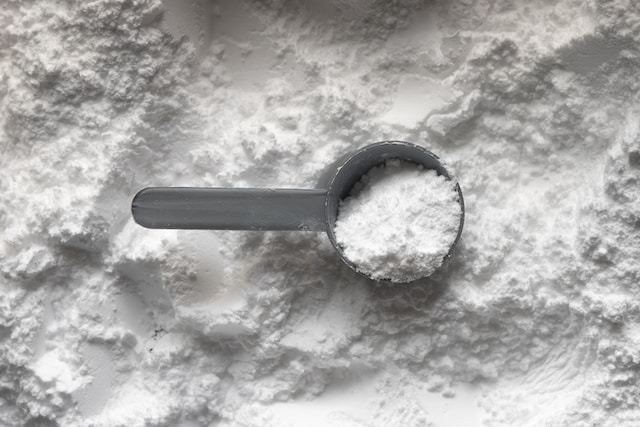
Introduction
Flour is a staple ingredient in most households. It’s important to store it properly to prevent spoilage and maintain its quality. Here are some tips on how to properly store flour.
Types of Flour
There are different types of flour such as all-purpose flour, bread flour, cake flour, and whole-wheat flour. Each type has a different shelf life and storage requirement.
All-Purpose Flour
All-purpose flour is the most commonly used flour. It has a shelf life of 6-8 months if stored properly. To store all-purpose flour, keep it in an airtight container in a cool, dry place like a pantry or cupboard. Do not store it near heat or moisture sources like the stove or sink. You can also store it in the refrigerator or freezer to extend its shelf life.
Bread Flour
Bread flour has a higher protein content, which makes it ideal for making bread. It has a shelf life of 6-8 months if stored properly. To store bread flour, keep it in an airtight container in a cool, dry place like a pantry or cupboard. Do not store it near heat or moisture sources like the stove or sink. You can also store it in the refrigerator or freezer to extend its shelf life.
Cake Flour
Cake flour has a lower protein content, which makes it ideal for making cakes and pastries. It has a shelf life of 6-8 months if stored properly. To store cake flour, keep it in an airtight container in a cool, dry place like a pantry or cupboard. Do not store it near heat or moisture sources like the stove or sink. You can also store it in the refrigerator or freezer to extend its shelf life.
Whole-Wheat Flour
Whole-wheat flour has a shorter shelf life compared to other types of flour because it contains germ and bran, which can go rancid. It has a shelf life of 4-6 months if stored properly. To store whole-wheat flour, keep it in an airtight container in the refrigerator or freezer. This will help to slow down the oxidation process and prevent spoilage.
Signs of Spoilage
It’s important to check your flour regularly for signs of spoilage. Here are some signs to watch out for:
- Off smell or odor
- Discoloration
- Pest infestation
- Clumping or hardening
- Mold growth
If you notice any of these signs, discard the flour immediately.
Conclusion
Properly storing flour is crucial to prevent spoilage and maintain its quality. Always keep flour in an airtight container in a cool, dry place away from heat and moisture sources. Regularly check for signs of spoilage to ensure you are using fresh flour in your recipes.
References

Frequently Asked Questions (FAQs)
How to properly store flour to prevent spoilage?
Storing flour properly is important to prevent spoilage and maintain its quality. Here are a few tips:
- Use airtight containers: Store flour in airtight containers such as glass jars, plastic containers, or resealable bags to keep out moisture and prevent insects from entering.
- Store in a cool, dark place: Flour should be stored in a cool, dark place away from direct sunlight and heat sources such as ovens and stoves. Excessive heat can cause the flour to go rancid and lose its freshness.
- Keep away from strong-smelling items: Flour can absorb strong odors from other food items stored nearby, affecting its taste and quality. Store flour away from spices, onions, and other strong-smelling items.
- Check expiration date: Always check the expiration date on the flour bag and use it before the expiration date to ensure its freshness.
By following these tips, you can ensure that your flour stays fresh and does not spoil quickly.

Buckwheat Flour – A Gluten-Free Alternative
Buckwheat flour is an excellent gluten-free alternative to wheat flour. Derived from the fruit seed of the buckwheat plant, it has a nutty taste and is often used in baking. Here are some reasons why buckwheat flour is a great option:
Health Benefits
Buckwheat flour is packed with nutrients. It is high in fiber, protein, and essential amino acids. Buckwheat flour also contains antioxidants, which can help protect your body against disease.
Gluten-Free Option
If you are on a gluten-free diet, buckwheat flour is a great option. It is naturally gluten-free and can be used for a variety of recipes, from pancakes to bread.
Usage in Cooking
Buckwheat flour has a distinct taste and flavor that is perfect in baking. It is commonly used for pancakes, waffles, and bread. Buckwheat flour can also be used as a thickener for soups and gravies.
If you are interested in learning more about buckwheat flour, you can visit Wikipedia’s page on buckwheat.
How to properly store flour to prevent spoilage
- Store flour in an airtight container
- Avoid exposure to light and heat
- Store flour in a cool and dry place
- Keep flour away from strong-smelling foods
- Use flour within its expiration date
- Consider storing flour in the refrigerator or freezer for long-term storage
- Label the container with the type of flour and expiration date


