


Contents
How to Protect Your Countertops with Marble Cutting Boards
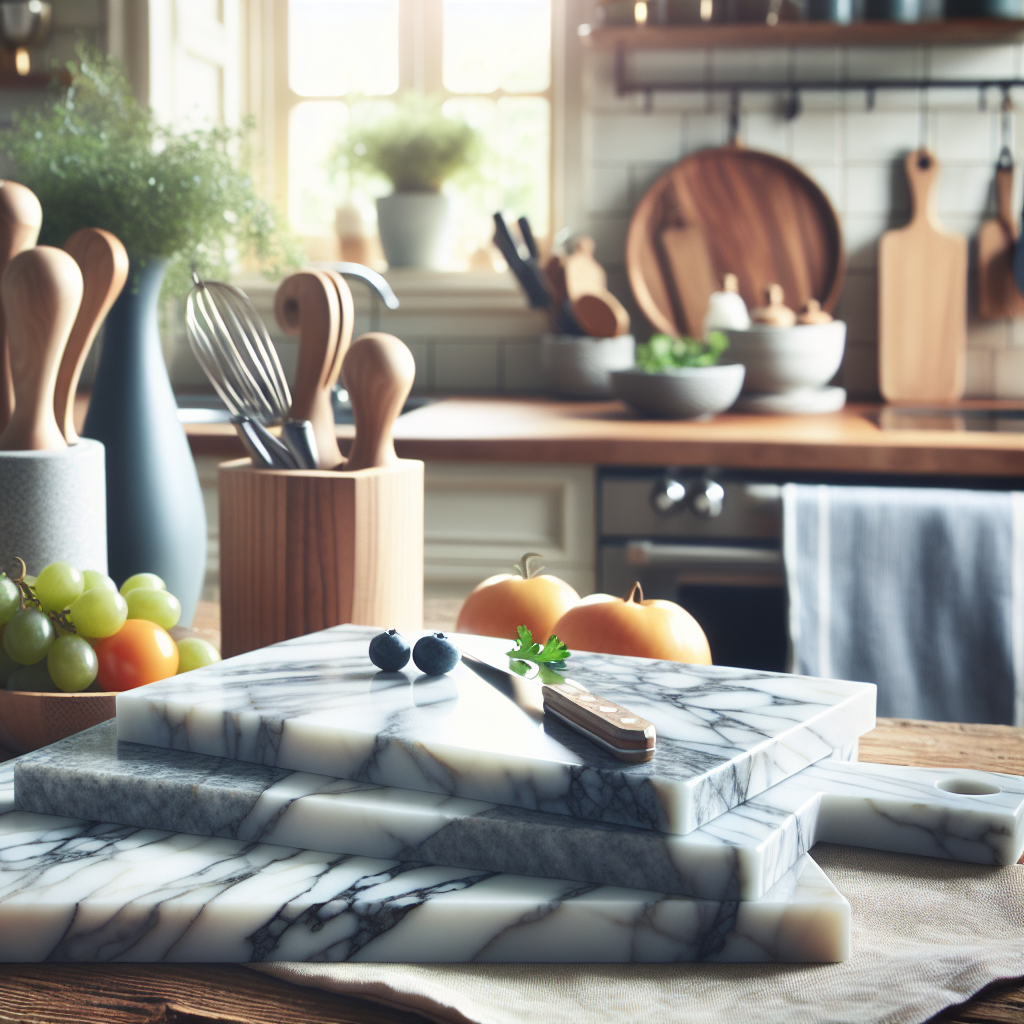
In any kitchen, countertops are essential for both functionality and aesthetics. However, they can easily be damaged by heat, scratches, and spills. One effective way to safeguard your countertops is by using marble cutting boards. These elegant and durable boards not only provide a sturdy surface for food preparation but also enhance the style of your kitchen. In this article, we will explore the benefits of marble cutting boards and how to use them effectively to keep your countertops in pristine condition.
Benefits of Using Marble Cutting Boards
Durability
Marble is a naturally durable material that can withstand heavy use. Unlike wood or plastic cutting boards, marble cutting boards resist scratches and can last a lifetime when properly cared for.
Non-porous Surface
Marble does not absorb odors, stains, or bacteria. This makes it a hygienic choice for food preparation. Using a non-porous surface can help keep your food safe from contamination.
How to Choose the Right Marble Cutting Board
Size Considerations
Select a size that suits your kitchen workspace. Larger boards offer more area, while smaller boards are easier to store. Consider your typical meal prep tasks when choosing.
Thickness and Weight
Thicker and heavier boards provide stability during use. When selecting a cutting board, look for one that is at least 0.75 inches thick to ensure it does not warp over time.
Proper Maintenance of Marble Cutting Boards
Cleaning After Use
After each use, clean your marble cutting board with warm, soapy water and a soft cloth. Avoid using abrasive cleaners or scrubbing pads, as these can scratch the surface.
Sealing the Surface
Marble is susceptible to stains and etching, so it’s essential to seal your marble cutting board regularly. Use a high-quality marble sealer every 6 months to protect its surface. Follow the manufacturer’s instructions for application.
Using Marble Cutting Boards to Protect Countertops
Benefits of Layering
Placing a marble cutting board directly on your countertops provides a barrier against knife marks, heat, and spills. This layering effect minimizes potential damage to your countertops.
Prevention of Bacterial Growth
By using a marble cutting board, you can prevent bacteria from settling on your countertops. This adds an extra layer of cleanliness to your food prep area. For more information on kitchen hygiene, visit CDC Food Safety.
Conclusion
Incorporating a marble cutting board into your kitchen routine not only enhances your countertop’s lifespan but also promotes a cleaner and more organized food preparation process.

Benefits of Using Marble Cutting Boards
Marble cutting boards offer several advantages when it comes to protecting your countertops. They are naturally cool, making them ideal for rolling out dough without sticking.
Durability and Resilience
Unlike wooden or plastic cutting boards, marble is durable and resistant to scratches. This can help maintain the integrity of your countertops over time.
Aesthetic Appeal
Beyond functionality, marble cutting boards provide an elegant touch to your kitchen. They come in various designs and colors, enhancing the overall look of your space.
Easy Maintenance
Cleaning marble boards is straightforward—simply wipe them down with warm soapy water after use. This easy maintenance also contributes to the protection of your primary countertops.
How to Care for Your Marble Cutting Board
To ensure your marble cutting board lasts, it’s essential to treat it properly.
Regular Cleaning
Use a non-abrasive cleaner and avoid harsh chemicals that can damage the surface.
Sealing the Surface
Consider applying a food-safe sealer periodically to protect against stains and maintain its shine. Regular sealing will provide additional protection for both the cutting board and your countertops.
Learn More About Marble
For further information on marble, check out the Wikipedia page on Marble.


Shop Now for the Best Deals!
Marble cutting boards provide a sturdy surface for chopping and slicing while being aesthetically pleasing. They are non-porous, which helps prevent bacteria growth, and their cool surface is ideal for pastry work. Using a marble cutting board prevents direct contact between knives and your countertop surface, reducing the risk of scratches, chips, and stains. This helps maintain the longevity and appearance of your countertops. Yes, marble can withstand heat to some extent. However, it’s recommended to use trivets or pot holders for very hot items to avoid thermal shock or possible cracking. To clean your marble cutting board, simply wash it with warm soapy water and a soft sponge. Avoid harsh chemicals and abrasive cleaners. For maintenance, periodically apply a food-safe mineral oil to keep the surface conditioned. While marble is durable, avoid cutting acidic foods like citrus fruits or vinegar-based items directly on the surface as they can etch the marble over time. It’s best to use a different cutting board for such items.FAQs About Protecting Your Countertops with Marble Cutting Boards
What are the benefits of using a marble cutting board?
How do marble cutting boards protect my countertops?
Can I use my marble cutting board for hot items?
How should I clean and maintain my marble cutting board?
Are there any foods I should avoid cutting on marble?

Why Choose Marble Cutting Boards
- Durable and resistant to scratching.
- Non-porous surface prevents bacterial growth.
- Stylish addition to kitchen décor.
Benefits of Using Marble
- Cool surface ideal for pastry and dough.
- Easy to clean and maintain.
- Inert surface won’t react with food.
How to Maintain Your Marble Cutting Boards
- Hand wash with mild soap and water.
- Avoid harsh chemicals and abrasive cleaners.
- Regularly seal to maintain surface integrity.
Using Marble Cutting Boards Effectively
- Use for food preparation to prevent damage to countertops.
- Place under hot pots to protect countertops.
- Present food for an elegant dining experience.


