Contents
How to Season and Flavor Foods as a Beginner
As a beginner in cooking, it can be overwhelming to know how much seasoning or flavoring to add to your dishes. Follow these tips to start adding delicious flavors to your meals:
1. Start with the basics
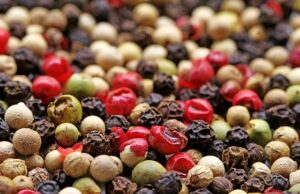
Salt and pepper are the two most basic seasoning ingredients that every beginner should start with. They can complement most food types and will enhance the natural flavor of your ingredients.
2. Add herbs
Herbs, such as rosemary, thyme, and basil, are also great for seasoning food. They can elevate the overall flavor and aroma of your dishes. Start small by adding a pinch of dried herbs and see how it affects the taste.
3. Experiment with spices
Spices, like cumin, paprika, and curry powder, can add depth and complexity to your meals. Start with small amounts and adjust to your liking. Be careful when using hot spices, such as chili powder and cayenne, to avoid overpowering your dish.
4. Try different types of oils
Using different oils, such as olive oil, sesame oil, or coconut oil, can add a distinct flavor to your food. Use them sparingly at first until you find the right balance.
Remember to taste your food as you season it, and don’t be afraid to experiment with different combinations of flavors. With time and practice, you’ll discover your own favorite seasoning and flavoring techniques.
How to Season and Flavor Foods as a Beginner
Why is seasoning and flavoring important?
Seasoning and flavoring are important because they add depth, complexity, and interest to any dish. Along with giving your food a pleasant taste, seasoning and flavoring also help to bring out the natural flavors of the ingredients. By adding the right seasonings and spices, you can make even the most mundane meals taste extraordinary.
Understanding basic flavors and seasoning
Before you start adding seasonings and spices to your dishes, it’s important to understand the basic flavors and seasoning. Salt is the most basic and essential seasoning, which helps to bring out the natural flavors of ingredients. Other common seasonings include garlic, black pepper, cumin, paprika, turmeric, and oregano.
It’s also important to understand the basic flavors to ensure that you have a balanced and layered flavor profile in your dishes. The five basic flavors are sweet, salty, sour, bitter, and umami, which is a savory flavor. Adding all five flavors to your dishes can lead to a well-rounded meal.
Experiment with different herbs and spices
One of the best ways to learn how to season and flavor foods is to experiment with different herbs and spices. Start by trying out commonly used seasonings like garlic, onion, and black pepper, then gradually add new flavors like cumin, paprika, and turmeric.
You can also try using fresh herbs like basil, parsley, and cilantro to add a burst of fresh flavor to your dishes. Don’t be afraid to mix and match different herbs and spices to create unique flavor combinations that suit your taste.
Use aromatics for flavor
Aromatics are ingredients that add flavor and fragrance to food, such as onions, garlic, and ginger. They’re often used as the base for soups, stews, and sauces, but they can also be used to add flavor to roasted vegetables, meats, and poultry.
By using aromatics in your cooking, you can add a depth of flavor that can take your dishes to the next level.
Balance your flavors
When it comes to seasoning and flavoring, balance is key. It’s important to ensure that your dishes have a balanced and layered flavor profile.
Start by adding a little bit of seasoning at a time and tasting as you go. This will allow you to adjust the flavors accordingly and prevent over-seasoning.
Conclusion
Seasoning and flavoring can take some time to master, but by understanding the basic flavors and seasonings, experimenting with different herbs and spices, using aromatics, and balancing your flavors, you can create delicious and well-seasoned meals every time. So, get into the kitchen, and start experimenting with different flavors and seasonings today!

Kitchen Tips for Beginners: How to Make Cooking Easy and Fun
Start with Simple Recipes
Cooking can be overwhelming for beginners, but it doesn’t have to be. Starting with simple recipes can help build the confidence needed to take on more complex dishes. Look for recipes with minimal ingredients and easy to follow instructions.
Invest in Quality Kitchen Tools
Having the right tools in the kitchen can make a huge difference in the success of your meal. Invest in quality knives, pots, pans, and utensils. It may cost more upfront, but in the long run, it will save you time and money.
Organize Your Kitchen
An organized kitchen can make cooking faster and less stressful. Keep frequently used items in easily accessible areas. Group similar items together, such as spices or baking ingredients, and label them accordingly.
Experiment with Flavors
Don’t be afraid to experiment with different flavors and spices. Try adding herbs or garlic to your dishes for extra flavor. Look up recipes for different marinades or spice blends to add variation to your meals.
Clean As You Go
Cleaning up after cooking can be a hassle, but cleaning as you go can make the process much easier. Wash dishes and utensils as you use them and wipe down countertops and stovetops as needed. It will save time and prevent a big mess at the end.
For more information about kitchen tips and cooking techniques, visit Wikipedia’s Cooking page.

FAQs – How to Season and Flavor Foods as a Beginner
What is seasoning?
Seasoning is the process of adding salt, herbs, spices, or other flavorings to enhance the taste of food.
What are some basic seasonings?
Some common basic seasonings include salt, black pepper, garlic powder, onion powder, and paprika.
How much seasoning should I use?
As a beginner, it’s best to start with small amounts and adjust to your taste as you go. A general rule of thumb is to use 1 teaspoon of seasoning per pound of meat or vegetable.
Can I mix different seasonings?
Yes, mixing different seasonings can add depth and complexity to your dishes. However, it’s important to balance the flavors and not overpower one seasoning with another.
What are some common spice blends?
Some common spice blends include Italian seasoning (basil, oregano, thyme), curry powder (cumin, coriander, turmeric), and Cajun seasoning (paprika, cayenne, thyme).
How can I experiment with different flavors?
Try using a new spice or herb each time you cook. You can also substitute one seasoning for another to create new flavor combinations. Don’t be afraid to get creative!

Seasoning and Flavoring Foods as a Beginner
- Start with the basics such as salt, pepper, and garlic powder.
- Experiment with herbs and spices such as basil, thyme, cumin, and paprika.
- Use citrus juices or vinegar to add acidity and brightness to dishes.
- Don’t be afraid to try new flavor combinations.
- Add seasoning gradually and taste as you go to avoid over-seasoning.
- Consider marinating meats and vegetables before cooking for added flavor.
- Learn to balance flavors by pairing sweet with sour or salty with bitter.
- Use different cooking methods such as grilling, roasting, or sautéing to enhance flavors.
- Take notes of what works and what doesn’t to improve your seasoning skills.