Contents
How to Substitute Coconut Flour in Traditional Recipes
Coconut flour is a popular gluten-free and low-carb flour alternative that is rich in fiber, protein, and healthy fat. It is a great option for those who are looking to avoid wheat flour or other grain-based flours. However, using coconut flour in traditional recipes requires some adjustments as coconut flour behaves differently than wheat flour.
Here are some tips for substituting coconut flour in traditional recipes:
1. Use less coconut flour than wheat flour: Coconut flour is more absorbent than wheat flour, so you will need to use less coconut flour in your recipes. A good rule of thumb is to use only one-third to one-fourth of the amount of coconut flour compared to wheat flour.
2. Increase eggs and liquids: Coconut flour requires more moisture than wheat flour, so you will need to increase the amount of eggs and liquids in your recipe. For every 1/4 to 1/3 cup of coconut flour used, add one additional egg and 1/4 to 1/3 cup of liquid.
3. Use a binding agent: Coconut flour doesn’t have gluten, which is a protein that gives wheat flour its elasticity and binding properties. To help bind your ingredients together, consider adding xanthan gum, chia seeds, or flaxseed to your recipe.
4. Avoid overmixing: Coconut flour is quick to absorb liquids, so be careful not to overmix your ingredients, or you may end up with a dry and crumbly texture.
With these tips, you can successfully substitute coconut flour in your traditional recipes while reaping the benefits of this nutritious and delicious ingredient.
What is Coconut Flour
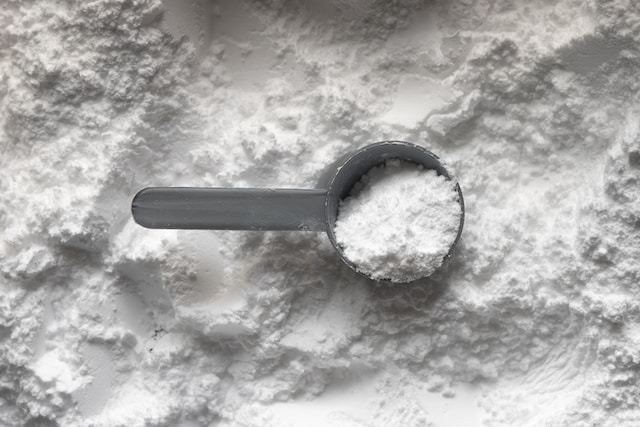
Coconut flour is a gluten-free flour made from ground and dried coconut meat. Compared to traditional flour, it is low-carb, high-fiber, and packed with nutrients like protein and healthy fats.
Why Substitute Coconut Flour
Coconut flour has a unique texture and flavor that can be challenging to work within traditional recipes. Additionally, it is highly absorbent, which can cause baked goods to turn out dry and dense when not used correctly.
How to Substitute Coconut Flour
Measure Carefully
Coconut flour absorbs liquid differently than traditional flours. It is crucial to measure it correctly to avoid ending up with dry, dense baked goods. When substituting coconut flour for all-purpose flour, use 1/4 to 1/3 cup of coconut flour for every cup of traditional flour called for in the recipe.
Adjust Liquids
Coconut flour is highly absorbent, much more than traditional flours. As such, it requires more liquids than traditional flours. You can try adding additional liquids like milk, water, or eggs to balance out the dryness. Generally, using one extra egg per 1/4 to 1/3 cup of coconut flour will add the required moisture and texture.
Mix with other Flours
Mixing coconut flour with other flours can help achieve a more traditional texture as it helps counter the coconut flour’s density. You can mix it with almond flour, rice flour, cassava flour, or oat flour to achieve different textures and flavors.
Experiment and Practice
Coconut flour can take a while to get used to, and it may take a few tries to get the right texture and flavor with traditional recipes. Start small by replacing a small part of the original flour with coconut flour, like 1/4 cup. Then, make adjustments on the next try.
Conclusion
Substituting coconut flour for traditional flour requires experimentation, adjustments, and a little patience. By measuring carefully, adjusting liquids, mixing with other flours, and practicing, you can achieve recipes with the unique benefits and flavor of coconut flour without sacrificing texture or taste.
References

Frequently Asked Questions: How to Substitute Coconut Flour in Traditional Recipes
What is coconut flour?
Coconut flour is a gluten-free flour made from dried coconut meat. It is high in fiber and low in carbohydrates, making it a popular choice for those following a paleo or keto diet.
Why substitute coconut flour?
Some people may need to substitute coconut flour for regular flour due to dietary restrictions or preferences. Additionally, coconut flour has unique properties that can affect the texture and moisture level of baked goods.
How do I substitute coconut flour for traditional flour?
Coconut flour is much more absorbent than regular flour, so you will need to use less of it in recipes. A good rule of thumb is to use 1/4 to 1/3 cup of coconut flour for every cup of traditional flour. You may also need to increase the liquid and eggs in your recipe to compensate for the absorbency of coconut flour.
Can I substitute coconut flour in all recipes?
Coconut flour can be used in many baked goods, but it’s important to note that it does not have the same properties as traditional flour. It works best in recipes that are already designed to be gluten-free and low-carb. It may not be the best choice for recipes that require a lot of structure, like bread or pizza dough.
Are there any other tips for using coconut flour?
Since coconut flour is so absorbent, it’s important to measure carefully and follow recipes closely. It may also help to let the batter or dough sit for a few minutes to allow the flour to absorb the liquid fully. Some recipes may also benefit from adding in other ingredients like psyllium husk or xanthan gum to improve texture.
Conclusion
By following these tips and experimenting with different recipes, you can successfully substitute coconut flour in your favorite traditional recipes. Remember to measure carefully and adjust the liquid and egg ratios as needed to achieve the desired texture and consistency.

Why All-Purpose Flour is a Versatile Ingredient for Cooking
All-purpose flour is a staple ingredient in most kitchens, whether you’re an experienced chef or a novice baker. It’s a type of flour that is milled from a blend of soft and hard wheat, which makes it versatile enough for a wide range of recipes. The high protein content in all-purpose flour makes it ideal for making bread, while the low protein content makes it perfect for cakes and pastries.
All-Purpose Flour vs. Other Types of Flour
While all-purpose flour is a go-to ingredient for many recipes, it’s important to note that there are other types of flour that may be better suited for specific dishes. For example, bread flour has a higher protein content than all-purpose flour, which makes it ideal for making bread and other baked goods that require a lot of structure. Cake flour, on the other hand, has a lower protein content than all-purpose flour, which makes it perfect for making lighter, fluffier cakes.
However, all-purpose flour is still a great choice for many recipes because it’s versatile and readily available in most grocery stores.
Health Benefits of All-Purpose Flour
While all-purpose flour is not typically considered a “health food,” it does have some nutritional benefits. It’s a good source of complex carbohydrates, which provide long-lasting energy, and it also contains small amounts of vitamins and minerals such as iron, thiamin, and niacin.
It’s worth noting, however, that all-purpose flour is not gluten-free and may not be suitable for people with celiac disease or other gluten sensitivities.
Overall, all-purpose flour is an essential ingredient for many home cooks and professional chefs alike. Whether you’re whipping up a batch of cookies, making a homemade pizza crust, or baking a loaf of sourdough bread, all-purpose flour is a versatile and reliable ingredient that can help you achieve delicious results.
If you want to learn more about flour and its uses in cooking and baking, check out this page on Wikipedia.
How to Substitute Coconut Flour in Traditional Recipes?
- Coconut flour is a gluten-free alternative to wheat flour that is low in carbs and high in fiber.
- When substituting coconut flour for wheat flour in recipes, the general rule of thumb is to use one-fourth to one-third of the amount of wheat flour called for in the recipe.
- Coconut flour absorbs more liquid than wheat flour, so you will need to increase the liquid in your recipe and/or decrease the amount of coconut flour used.
- Coconut flour tends to clump together, so it is recommended to sift it before using it in recipes to avoid lumps.
- When baking with coconut flour, it is best to mix the wet and dry ingredients separately and then combine them together just before baking.
- It is important to note that coconut flour has a distinct flavor and may not be suitable for every recipe.