


The best wines at the best prices
Contents
How to Understand Wine Vintage Charts
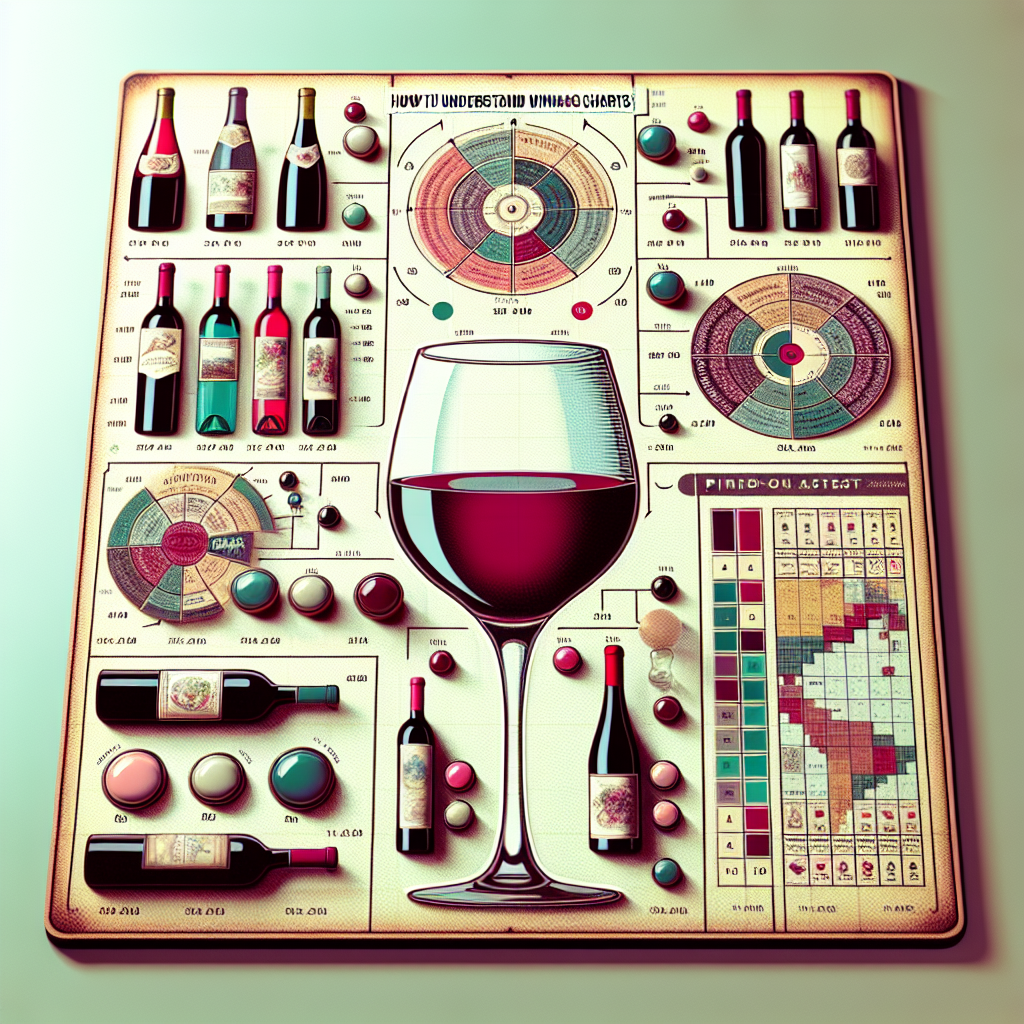
Wine vintage charts are a useful tool for wine enthusiasts to gauge the quality of a particular wine based on the year it was produced. Understanding these charts can help you make informed decisions when purchasing or consuming wine.
How to Understand Wine Vintage Charts
Wine vintage charts are a valuable tool for wine enthusiasts looking to understand the quality and characteristics of different vintages. These charts provide a guide to help consumers make informed decisions about which wines to purchase and when to drink them. Here are some tips on how to interpret wine vintage charts:
1. Know the Basics
Before diving into a wine vintage chart, it helps to have a basic understanding of what a vintage is. A vintage refers to the year in which the grapes used to make a wine were harvested. Factors such as weather conditions, soil quality, and vineyard practices can all influence the quality of a vintage.
2. Understand the Ratings
Wine vintage charts typically use a rating system to evaluate the quality of a particular vintage. These ratings are based on factors such as weather patterns, grape ripeness, and overall wine quality. Higher ratings indicate a better vintage, while lower ratings suggest a lower quality vintage.
3. Consider the Region
It’s important to consider the region of a wine when interpreting a vintage chart. Different wine regions have different climates and growing conditions, which can impact the quality of a vintage. For example, a cool climate region may produce better wines in a cooler vintage, while a warm climate region may excel in a warmer vintage.
4. Use Multiple Sources
When using wine vintage charts, it’s a good idea to consult multiple sources to get a well-rounded view of a particular vintage. Different wine critics and publications may have varying opinions on the quality of a vintage, so it’s helpful to compare and contrast ratings from different sources.
5. Consider Your Preferences
Ultimately, the best way to interpret a wine vintage chart is to consider your own preferences and tastes. While a vintage may receive high ratings from critics, it may not necessarily align with your personal preferences. Take the ratings into account, but trust your own palate when making decisions about which wines to purchase and drink.
By following these tips, you can better understand and interpret wine vintage charts to make more informed decisions about which wines to enjoy. Happy tasting!

What are Wine Vintage Charts?
Wine vintage charts are tools used by wine enthusiasts to assess the quality of a particular wine vintage. They provide information on the weather conditions during a specific year, which can affect the taste and quality of the grapes used to make the wine.
How to Read Wine Vintage Charts
When looking at a wine vintage chart, it’s important to understand the key factors that go into determining the quality of a vintage. These factors include temperature, rainfall, and sunlight during the growing season. By comparing these factors across different vintages, you can get a sense of which years produced the best wines.
It’s also important to remember that wine vintage charts are not an exact science. While they can be a helpful guide, individual wines can vary based on the specific vineyard, winemaking practices, and storage conditions.
Using Wine Vintage Charts to Make Purchases
Wine vintage charts can be a useful tool when buying wine, especially if you’re looking to purchase a bottle from a particular region or producer. By referencing a vintage chart, you can make an informed decision about which vintages are likely to be the most enjoyable.
For more information on wine vintage charts, check out Wikipedia.

The best wines at the best prices
FAQs about Understanding Wine Vintage Charts
What are wine vintage charts?
Wine vintage charts are tools used by wine enthusiasts to help them understand the quality and characteristics of wines from a particular year. These charts provide ratings and reviews of wines based on the vintage year to help consumers make informed decisions about which wines to purchase and enjoy.
How do I read a wine vintage chart?
Wine vintage charts typically use a numerical rating system to score wines based on the quality of the grapes harvested in a specific year. Higher ratings indicate better quality wines, while lower ratings suggest wines that may be of lesser quality. Additionally, vintage charts often include tasting notes and information about the aging potential of wines from a particular vintage.
Why is it important to understand wine vintage charts?
Understanding wine vintage charts can help you choose wines that best suit your taste preferences and budget. By referring to vintage charts, you can determine which vintages are considered to be exceptional and which ones may be more average. This can be especially useful when selecting wines to age in your cellar or when purchasing wines as an investment.

Key Points for Understanding Wine Vintage Charts
- Understand the purpose of vintage charts
- Consider the region and grape variety
- Look for reliable sources and reviewers
- Don’t rely solely on the vintage rating
- Keep in mind that personal taste is subjective

Video:


