


Contents
Keeping it Shiny and Rust-Free: Your Guide to Preserving a Stainless Steel Kettle
Stainless steel kettles are a popular choice for boiling water due to their sleek design and durability. However, over time, they can lose their shine and develop rust if not properly maintained. To ensure your stainless steel kettle remains in top condition, it’s important to follow a few simple steps. In this guide, we will provide you with all the necessary information to keep your stainless steel kettle shiny and rust-free for years to come.
Keeping it Shiny and Rust-Free: Your Guide to Preserving a Stainless Steel Kettle
Why Stainless Steel Kettles are Popular
Stainless steel kettles are a popular choice in many households due to their durability, sleek appearance, and ability to retain heat. However, like any other kitchen appliance, they require proper care and maintenance to keep them functioning optimally and looking shiny. In this article, we will guide you on how to preserve your stainless steel kettle and prevent rusting.
The Cleaning Process
Regular cleaning is essential to maintain the stainless steel finish of your kettle. Here’s a step-by-step guide to cleaning:
- Start by unplugging the kettle and ensuring it is cool to touch.
- Fill the kettle halfway with equal parts of water and white vinegar.
- Boil the mixture in the kettle.
- Let the mixture sit in the kettle for about 15-20 minutes.
- Discard the mixture and rinse the kettle with clean water.
- Wipe the exterior of the kettle using a soft cloth soaked in vinegar or stainless steel cleaner.
- Dry the kettle thoroughly before next use.
By following this cleaning process at least once a month, you can ensure that your stainless steel kettle remains shiny and free from mineral deposits or contaminants.
Avoiding Rust Formation
Stainless steel kettles are prone to rust if not properly cared for. Here are some tips to prevent rust formation:
- Avoid using abrasive or harsh cleaning agents that can damage the stainless steel surface.
- Never let water sit in the kettle for extended periods, especially if the kettle is not in use.
- If you notice any signs of rust, use a mild stainless steel cleaner and a soft cloth to gently remove it.
- Regularly inspect the kettle for any dents, scratches, or chips in the stainless steel. If you find any, address them promptly to prevent rust from forming in those areas.
Proper maintenance and care will keep your stainless steel kettle in pristine condition and extend its lifespan.
Additional Tips and Recommendations
Here are a few extra tips to keep in mind when preserving a stainless steel kettle:
- Avoid using metal utensils inside the kettle to prevent scratching.
- When heating the kettle, ensure there is always sufficient liquid inside to avoid overheating the stainless steel.
- Consider using filtered or distilled water to reduce the chances of mineral buildup.
Taking these extra precautions will help maintain the performance and appearance of your stainless steel kettle for years to come.
Conclusion
With the right cleaning techniques and regular maintenance, your stainless steel kettle can continue to shine and provide you with hot beverages for years. Follow the guidelines mentioned in this article to keep your kettle rust-free and in optimal condition!
For more information on stainless steel care, check out www.stainless-steel.com/care-and-maintenance

Frequently Asked Questions: Keeping it Shiny and Rust-Free
1. Why is stainless steel prone to rust?
Stainless steel is an alloy composed of iron, chromium, and other elements that provide excellent corrosion resistance. However, if the protective chromium oxide layer on the surface is damaged or exposed to certain conditions, rust can occur.
2. How can I keep my stainless steel kettle shiny?
To maintain the shine of your stainless steel kettle, follow these steps:
- Regularly clean the kettle using a mild detergent and warm water.
- Use a non-abrasive sponge or cloth to avoid scratching the surface.
- Dry the kettle thoroughly after cleaning to prevent water spots.
- Consider using stainless steel cleaner or polish for an extra shine.
3. How can I prevent rust from forming on my stainless steel kettle?
To prevent rust on your stainless steel kettle, consider the following tips:
- Avoid using abrasive cleaners or scouring pads that can damage the protective layer.
- Keep the kettle dry when not in use to prevent moisture buildup.
- Regularly inspect the kettle for any signs of damage or scratches.
- Never leave acidic or salty substances in the kettle for prolonged periods.
4. Can I use vinegar to remove rust from a stainless steel kettle?
Yes, vinegar can be an effective natural remedy for removing rust from stainless steel. Mix equal parts of vinegar and water, then soak the affected area for a few hours. Scrub gently with a soft brush or sponge, and rinse thoroughly afterwards.
5. Is it safe to use stainless steel kettles for boiling water?
Yes, stainless steel kettles are generally safe for boiling water. However, it’s important to check the manufacturer’s instructions and ensure that the kettle is made from food-grade stainless steel. Avoid using kettles with damaged or peeling coatings.
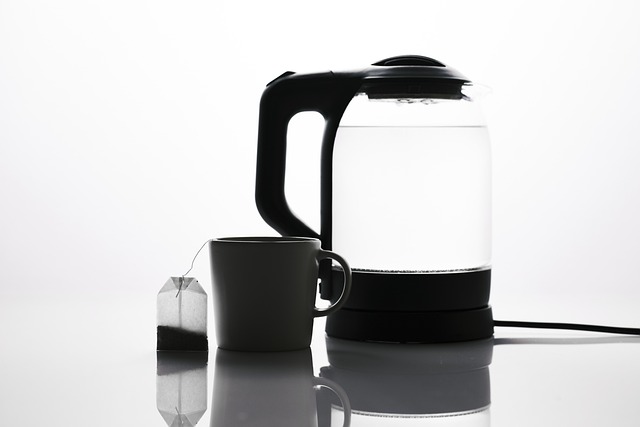
Why Preventing Rust in Stainless Steel Kettles is Important?
Stainless steel kettles are commonly used for boiling water and preparing hot beverages. However, these kettles are susceptible to rust if not properly maintained. Rust not only affects the aesthetic appeal of the kettle but also poses health risks if consumed. Therefore, it is crucial to know how to prevent stainless steel kettles from rusting to ensure longevity and safety.
Tips to Prevent Rust in Stainless Steel Kettles
1. Regular Cleaning
Cleaning your stainless steel kettle regularly is one of the most effective ways to prevent rust formation. Use a soft cloth or sponge along with mild dish soap to wipe the exterior and interior of the kettle. Avoid using abrasive cleaners or steel wool as they may scratch the surface and create potential rust spots.
2. Complete Drying
After cleaning, it is essential to ensure the kettle is completely dry to prevent moisture accumulation, which can lead to rust. Use a clean towel or air dry the kettle upside down to allow any remaining water droplets to evaporate. Avoid leaving the kettle in a damp environment as it increases the risk of rust formation.
3. Descale Regularly
Stainless steel kettles often encounter mineral buildup due to the water’s hardness. This buildup, known as limescale, not only affects the kettle’s performance but also promotes rust formation. To descale the kettle, mix equal parts of water and vinegar, bring the solution to a boil inside the kettle, and let it sit for a few hours. Afterward, rinse thoroughly and dry.
Other Preventive Measures
Apart from the aforementioned tips, there are a few additional measures to take to protect your stainless steel kettle from rusting:
- Do not leave water sitting in the kettle for prolonged periods.
- Avoid using the kettle to boil saltwater or highly acidic liquids.
- Handle the kettle with clean hands to prevent transferring contaminants.
By following these preventive measures and regularly maintaining your stainless steel kettle, you can enjoy its functionality and aesthetic appeal for a long time while ensuring the safety of your beverages.
For more information about stainless steel and its properties, visit the Wikipedia page on stainless steel.

Keeping it Shiny and Rust-Free: Your Guide to Preserving a Stainless Steel Kettle
Introduction
- Understanding the importance of maintaining a stainless steel kettle
- Benefits of keeping your kettle shiny and rust-free
Cleaning and Maintenance
- Choosing the right cleaning products and tools
- Step-by-step instructions for regular cleaning
- Preventing mineral deposits and limescale build-up
- Removing stubborn stains or discoloration
Protective Measures
- Using a kettle descaler to prolong its lifespan
- Preventing scratches or damages to the stainless steel surface
- Avoiding exposure to hard water or corrosive substances
Storage and Handling
- Proper storage techniques to avoid scratches or dents
- Safely handling the kettle to prevent accidents or damages
- Regular upkeep to ensure longevity and optimal performance