


Contents
Keeping Your Kettle Rust-Free: Tips and Tricks for Maintaining Stainless Steel
A stainless steel kettle is a great investment for any household. However, over time, it can develop rust and other types of damage if it’s not properly cared for. If you want to keep your kettle looking and functioning like new for years to come, it’s important to follow some tips and tricks for maintaining stainless steel.
Introduction
A kettle is an essential appliance in every home which is used to make tea or coffee. A rusty kettle is a common problem, especially if you have a stainless steel kettle. In this blog post, we will discuss some tips and tricks to keep your kettle rust-free and maintain the stainless steel.
Why Does Stainless Steel Kettle Rust?
Stainless steel is not 100% resistant to rust. It can still rust due to multiple reasons, some of which are:
- Exposure to moisture and air
- Mineral deposits from water
- Scratches on the surface
Tips and Tricks for Maintaining Stainless Steel Kettle
1. Dry the Kettle After Use
After using the kettle, always dry it thoroughly with a cloth or towel. The residual water droplets can cause rust if left untreated.
2. Use Distilled Water
Using distilled water will reduce the mineral deposits in the kettle, making it less prone to rust.
3. Clean the Kettle Regularly
Clean the kettle at least once a month with a mixture of water and vinegar or lemon juice. This will remove any mineral deposits and keep the kettle shiny.
4. Avoid Abrasive Cleaners or Sponges
Avoid using abrasive cleaners or scrubbers on the kettle’s surface, as they can scratch the surface and cause rust.
5. Store the Kettle in a Dry Place
Store your kettle in a dry place, away from moisture or humidity. This will prevent rust from forming on the surface.
Conclusion
Keeping your stainless steel kettle rust-free is an easy task if you follow the above tips and tricks. By maintaining the kettle’s cleanliness and storing it in a dry place, you can extend its life and prevent rust from forming. Remember to always use distilled water and avoid abrasive cleaners to maintain a shiny and rust-free kettle.
Further Reading
For more information on how to maintain your stainless steel kettle, check out the Spruce Eats website.

Keeping Your Kettle Rust-Free: Tips and Tricks for Maintaining Stainless Steel
Why is it important to keep my kettle rust-free?
Stainless steel is resistant to rust and corrosion, but when it’s exposed to water and oxygen, it can begin to corrode. Rust can damage the appearance and functionality of your kettle and even affect the taste of the water you boil.
What can I do to prevent rust from forming?
- After use, empty and rinse your kettle, and dry it thoroughly with a soft cloth to remove water droplets that can lead to rust.
- Avoid using steel wool or abrasive cleaning products as they can scratch the surface of the stainless steel, making it more susceptible to rust.
- Store your kettle in a dry and well-ventilated area.
How can I remove rust from my kettle?
If your kettle already has rust stains, you can try the following:
- Create a paste using baking soda and water and apply it to the rust stains, letting it sit for an hour before wiping it off.
- Soak a cloth in vinegar and wrap it around the rust stain, leaving it overnight.
- Mix lemon juice and salt into a paste and apply it to the rust stain, letting it sit for an hour before wiping it off.
Can I use CLR to clean my kettle?
No, CLR (Calcium, Lime, Rust remover) is not recommended for stainless steel kettles as it can be too harsh and damage the surface of the kettle.
How often do I need to clean my kettle?
It’s recommended to clean your kettle at least once a month to prevent rust and mineral buildup, but you may need to do it more often depending on your water quality and frequency of use.
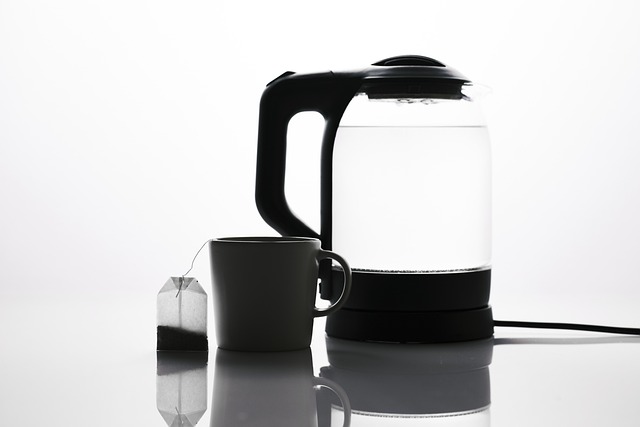
What is Rust?
Rust is a type of corrosion that can occur on metal surfaces, including stainless steel. It forms when the metal is exposed to oxygen, moisture and other environmental factors. Rust is unsightly and can affect the performance of the stainless steel object it forms on.
How to Prevent Rust on a Stainless Steel Kettle
There are several steps you can take to prevent your stainless steel kettle from rusting:
- Keep your kettle dry: Make sure your kettle is completely dry before storing it away. Leaving water droplets on the surface can lead to rust formation over time.
- Do not use abrasive cleaners or scouring pads: These can scratch the surface of your kettle and make it more susceptible to rust formation.
- Store in a dry place: Moisture is one of the primary causes of rust formation on stainless steel. Make sure to store your kettle in a dry place away from humid areas, like the kitchen sink or a damp basement.
- Use a protective coating: Apply a protective coating to the surface of your kettle to prevent rust from forming. One option is to use a stainless steel cleaner that includes a rust inhibitor.
By following these simple steps, you can ensure your stainless steel kettle stays rust-free and looking great for years to come.
Additional Information about Stainless Steel
If you want to learn more about stainless steel, check out its Wikipedia page. It’s a great resource for understanding the different types of stainless steel, how it’s made, and other important information.

Keeping Your Kettle Rust-Free: Tips and Tricks for Maintaining Stainless Steel
Why is Stainless Steel Prone to Rust?
- Exposure to water and oxygen
- High chlorine content in water
- Heat and humidity
Tips for Preventing Rust
- Store kettle in a dry place
- Clean the kettle regularly
- Use only distilled water or low-chlorine water
- Wipe the kettle dry after each use
- Avoid leaving water in the kettle for extended periods of time
Tricks for Removing Rust
- Use a mixture of baking soda and water
- Apply vinegar or lemon juice to the rusted area
- Use a rust remover solution
- Gently scrub with a stainless steel cleaner