

Contents
Reverse Osmosis vs. Other Water Filtration Methods: What You Need to Know
When it comes to ensuring the safety and quality of the water we consume, various filtration methods are available in the market. Amongst these, reverse osmosis stands out as a highly efficient and reliable solution. In this article, we will explore the differences between reverse osmosis and other water filtration methods to help you make an informed decision regarding your water filtering needs.
Reverse Osmosis:
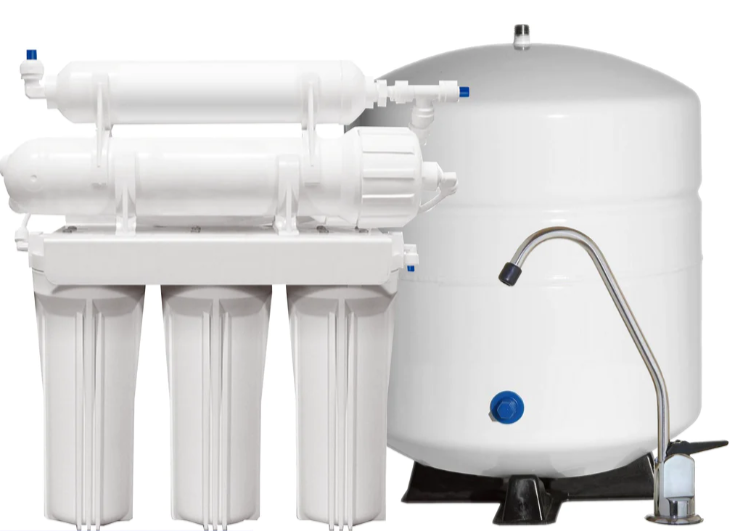
Reverse osmosis (RO) is a water purification process that filters out contaminants by employing pressure to force water molecules through a semi-permeable membrane. This membrane blocks impurities, such as bacteria, viruses, dissolved salts, and harmful chemicals, ensuring that the resulting water is clean and potable. RO systems are commonly used in homes, commercial establishments, and even industries due to their effectiveness in providing high-quality drinking water.
Other Water Filtration Methods:
While reverse osmosis is considered one of the most effective filtration methods, there are other options available as well. These include:
1. Carbon Filtration:
Carbon filters use activated carbon to remove impurities from water by adsorption. This method is effective in eliminating chlorine, organic compounds, and some heavy metals. However, it may not be as efficient in removing dissolved solids or certain chemicals.
2. Distillation:
Distillation involves boiling water and condensing the vapor to remove impurities. It is a reliable method for eliminating contaminants such as bacteria, viruses, and heavy metals. However, it requires significant energy consumption and may not be as ideal for everyday household use.
3. Ultraviolet (UV) Disinfection:
UV disinfection technology utilizes UV light to deactivate harmful microorganisms present in water. While it is effective in killing bacteria and viruses, it does not remove any physical impurities or dissolved solids. UV disinfection is often used in combination with other filtration methods for comprehensive water treatment.
4. Activated Alumina:
Activated alumina filters are commonly used to remove fluoride from water. This method is specifically useful in areas with high fluoride content. However, it may not be as effective in purifying water from other impurities.
It is important to consider factors such as the quality of your water source, specific contaminants present, budget, and personal preferences when selecting the right filtration method for your needs.
In conclusion, reverse osmosis offers a thorough and efficient water filtration solution by removing a wide range of impurities effectively. However, it is vital to research and assess various filtration methods to determine the most suitable option for your specific circumstances related to water safety and quality.

💧 = Use the coupon code SALEG3P800 to save $150 OFF on the 800GPD Tankless RO System with UV Sterilizing Light – Waterdrop G3P800 = 💧
1. Introduction
In this blog post, we will explore the pros and cons of reverse osmosis (RO) compared to other water filtration methods. Water filtration is essential for ensuring clean and safe drinking water, but with several options available, it can be challenging to determine which method is best suited for your needs. We’ll provide you with the necessary information to make an informed decision.
2. Reverse Osmosis: An Overview
Reverse osmosis is a water filtration technique that utilizes a semi-permeable membrane to remove impurities from water. This process involves applying pressure to force water molecules through the membrane, leaving behind contaminants. RO systems are capable of removing a wide range of impurities including bacteria, viruses, heavy metals, and chemicals. However, they also remove essential minerals from the water.
3. Other Water Filtration Methods
3.1 Activated Carbon Filters
Activated carbon filters use a carbon-based material to capture impurities and contaminants. These filters are effective in removing chlorine, volatile organic compounds (VOCs), and some heavy metals. However, they may not be as efficient in eliminating certain types of bacteria, viruses, or dissolved solids.
3.2 UV Sterilization
UV sterilization is a method that uses ultraviolet light to neutralize microorganisms present in water. This process is particularly effective against bacteria, viruses, and parasites. However, it does not remove chemical contaminants or heavy metals. UV sterilization is often used as a secondary treatment method in conjunction with other filtration technologies.
3.3 Distillation
Distillation involves boiling water and collecting the steam, leaving behind impurities and contaminants. This method effectively removes bacteria, viruses, and other dissolved solids. However, it also removes essential minerals from the water. Distillation can be energy-intensive and time-consuming compared to other filtration methods.
4. Pros and Cons of Reverse Osmosis
Reverse osmosis has its advantages and disadvantages compared to other filtration methods:
4.1 Pros of Reverse Osmosis
- Removes a wide range of impurities
- Effectively eliminates bacteria and viruses
- Reduces levels of dissolved solids
4.2 Cons of Reverse Osmosis
- Removes essential minerals from water
- Wastes a significant amount of water during the filtration process
- Requires regular maintenance and replacement of filters
5. Choosing the Right Method for You
When selecting a water filtration method, consider the following factors:
- The specific impurities you want to remove
- The quality of your water source
- Your budgetary constraints
Pro tip: If you are concerned about the removal of essential minerals, you can opt for an RO system with a remineralization stage to add back some minerals into the filtered water.
6. Conclusion
Reverse osmosis is a highly effective water filtration method that can remove a wide range of impurities. It is particularly efficient at eliminating bacteria, viruses, and dissolved solids. However, it removes essential minerals from the water and requires regular maintenance. Consider your specific needs and the pros and cons of other filtration methods discussed in this blog post before making a decision. For more information on reverse osmosis and other water filtration techniques, check out our relevant blog post.
💧 = Use the coupon code SALEG3P800 to save $150 OFF on the 800GPD Tankless RO System with UV Sterilizing Light – Waterdrop G3P800 = 💧
Shop now for Waterdrop N1
FAQs about Reverse Osmosis vs. Other Water Filtration Methods
What is Reverse Osmosis?
Reverse osmosis is a water purification process that uses a semipermeable membrane to remove contaminants and impurities from water.
How does Reverse Osmosis compare to Other Water Filtration Methods?
Reverse osmosis is often considered one of the most effective water filtration methods available. It can remove a wide range of contaminants, including dissolved solids, heavy metals, bacteria, and viruses.
What are the advantages of Reverse Osmosis?
– Highly effective in removing contaminants
– Produces clean and fresh-tasting water
– Removes bad odor and taste
– Can be installed under sink or as a whole-house system
Are there any drawbacks to Reverse Osmosis?
– May remove beneficial minerals from water
– Wastes some water during the filtration process
– Requires frequent filter replacements
– Slower filtration rate compared to other methods
What are some other water filtration methods?
– Activated carbon filtration
– Distillation
– UV (ultraviolet) sterilization
– Ion exchange
– Ceramic filtration
How does Reverse Osmosis compare to these methods?
– Reverse osmosis can remove a wider range of contaminants compared to activated carbon filtration or ceramic filtration.
– Distillation and UV sterilization can also effectively remove contaminants, but they may not be as efficient as reverse osmosis.
– Ion exchange is useful for water softening but may not remove all contaminants like reverse osmosis.
– Ceramic filtration is best suited for removing protozoa and bacteria, but it may not be as effective as reverse osmosis for removing dissolved solids or heavy metals.
Which water filtration method should I choose?
The choice of water filtration method depends on several factors such as the level of contamination in your water, your budget, installation requirements, and personal preferences. It is recommended to test your water and consult with a water treatment professional to determine the most suitable method for your specific needs.

What is Reverse Osmosis?
Reverse osmosis, commonly referred to as RO, is a water purification process that uses a semipermeable membrane to remove impurities from water. It works by applying pressure to the water, forcing it to pass through the membrane while leaving behind contaminants.
Benefits of Reverse Osmosis
Reverse osmosis has numerous advantages when it comes to water treatment:
- Purified Water: Reverse osmosis effectively removes various pollutants, such as heavy metals, chemicals, bacteria, viruses, and dissolved salts, resulting in pure and clean drinking water.
- Improved Taste and Odor: By eliminating impurities, reverse osmosis significantly enhances the taste and odor of water, making it more refreshing and enjoyable to drink.
- Healthier Drinking Water: With its ability to remove contaminants, reverse osmosis provides a healthier option for drinking water, reducing the risk of waterborne diseases.
- Saves Money and Environment: Investing in a reverse osmosis system helps reduce the reliance on bottled water, thereby saving money and minimizing plastic waste.
If you want to learn more about reverse osmosis, you can visit the Reverse Osmosis page on Wikipedia.
The Role of H2O in Reverse Osmosis
H2O, commonly known as water, is a crucial component in the reverse osmosis process. Water molecules are made up of two hydrogen atoms bonded to one oxygen atom, hence the chemical formula H2O. The composition of water allows it to flow through the semipermeable membrane during reverse osmosis, while unwanted impurities get trapped.
In conclusion, reverse osmosis is an effective method of purifying water, providing numerous benefits, including clean drinking water, improved taste, and environmental sustainability. Understanding the role of H2O in this process enhances our overall knowledge of reverse osmosis and its importance in water treatment.
Reverse Osmosis vs. Other Water Filtration Methods: What You Need to Know
Reverse Osmosis
- Uses a semi-permeable membrane to remove impurities and contaminants from water.
- Effectively removes dissolved solids, heavy metals, bacteria, and viruses.
- Requires pressure to force water through the membrane.
- Produces pure, clean and great-tasting water.
- Wastes some water during the filtration process.
- May require additional filters for certain contaminants.
Activated Carbon Filtration
- Uses absorbent materials like activated carbon to trap impurities.
- Effective in removing chlorine, bad odors, and some organic compounds.
- Does not remove dissolved minerals or heavy metals.
- Does not require any electricity or pressure to operate.
- Requires frequent filter replacements to maintain effectiveness.
- Does not waste water during the filtration process.
Distillation
- Heats water to create steam, which is then condensed to remove impurities.
- Effectively removes most contaminants, including dissolved solids.
- Requires electricity or gas to operate.
- Wastes energy during the heating process.
- Does not remove volatile organic compounds (VOCs) or gases.
- Produces clean and tasteless water.
Ultraviolet (UV) Disinfection
- Uses UV light to kill bacteria, viruses, and other microorganisms.
- Does not remove dissolved solids or chemicals.
- Requires electricity to operate.
- Does not remove bad odors or improve taste.
- Does not waste water during the disinfection process.
- Effective as a final treatment step after other filtration methods.
💧 = Use the coupon code SALEG3P800 to save $150 OFF on the 800GPD Tankless RO System with UV Sterilizing Light – Waterdrop G3P800 = 💧
Category – Reverse osmosis and filters