





Contents
Sous-vide Demystified: Everything You Need to Know
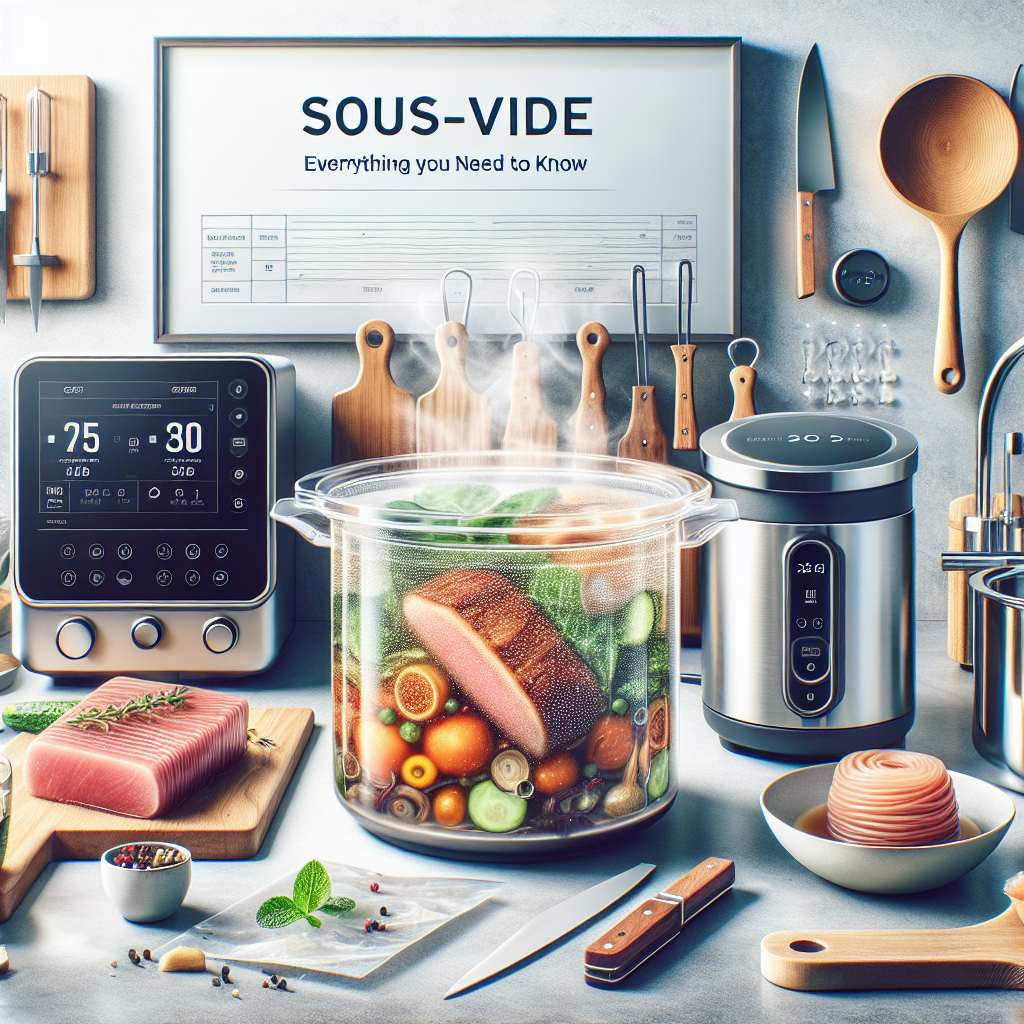
Sous-vide, a French term meaning “under vacuum,” is a revolutionary cooking technique that has transformed the culinary world. By immersing food in a precisely controlled water bath, chefs can achieve perfect doneness and enhanced flavors that traditional cooking methods often fail to deliver. This method provides unparalleled consistency and allows home cooks and professionals alike to produce restaurant-quality meals with ease.
In this comprehensive guide, we will explore everything you need to know about sous-vide cooking, from the essential equipment and techniques to tips for achieving the best results. Whether you’re a seasoned chef or a culinary novice, understanding sous-vide will elevate your cooking skills and broaden your culinary repertoire.
What is Sous-vide?
Sous-vide, which translates to “under vacuum” in French, is a cooking technique that involves cooking food slowly in a temperature-controlled water bath. This method ensures even cooking and retains moisture, flavor, and nutrients.
The Science Behind Sous-vide
Temperature Control
The key to sous-vide cooking is accurate temperature control. Food is cooked at lower temperatures (often between 130°F to 190°F) for an extended period, allowing for precise doneness without overcooking.
Vacuum Sealing
Vacuum sealing removes air from the bag, preventing oxidation and moisture loss. This process also creates a tight seal, allowing the food to cook evenly in the water bath.
Benefits of Sous-vide Cooking
Enhanced Flavor
Cooking food in a vacuum bag allows the ingredients’ flavors to meld together, enhancing overall taste.
Tender and Juicy Results
Cooking at low temperatures prevents the proteins in meat from contracting too quickly, resulting in tender and juicy dishes.
Retaining Nutrients
Since food is cooked in a sealed environment, essential vitamins and minerals are better preserved compared to traditional cooking methods.
Convenience
Sous-vide allows for meal prep and batch cooking, as food can be cooked in advance and then seared or finished just before serving.
Essential Equipment for Sous-vide Cooking
Sous-vide Machine
A dedicated sous-vide immersion circulator is essential. Check out Serious Eats for reviews of top models.
Vacuum Sealer
While not strictly necessary, a vacuum sealer ensures the best results. Alternatively, you can use the water displacement method to remove air from bags.
Food Bags
Food-safe plastic bags or reusable silicone bags are required for sous-vide cooking. Ensure they can withstand high temperatures during cooking.
Common Sous-vide Cooking Techniques
Cooking Proteins
Meat, poultry, and fish are excellent candidates for sous-vide cooking. Cooking steak sous-vide leads to perfectly cooked meat, while salmon becomes flaky and tender.
Vegetarian Options
Vegetables cooked in sous-vide maintain their color, texture, and nutrients. Options include carrots, asparagus, and potatoes, which can be cooked with herbs and oils for added flavor.
Desserts
Some desserts can also be made with sous-vide, such as custards and cheesecakes, giving a smooth texture and even cooking.
Common Mistakes to Avoid
Skipping the Seasoning
Don’t underestimate seasoning! Always season food before vacuum sealing to enhance flavor.
Not Pre-heating the Water Bath
Ensure the water bath is at the correct temperature before placing food inside to guarantee even cooking.
Overcrowding the Water Bath
Avoid overcrowding in the water bath, as it can hinder proper circulation and affect cooking times.
Final Thoughts on Sous-vide
Mastering sous-vide can elevate your cooking techniques and enhance your meals. With practice, anyone can achieve culinary excellence using this innovative method.

Understanding Sous-vide Cooking Technique
Sous-vide is a cooking method that involves vacuum-sealing food in a bag and cooking it to a precise temperature in a water bath. This technique has gained popularity for its ability to produce perfectly cooked meals with consistent results.
The Science Behind Sous-vide
The sous-vide process allows for even cooking, preserving moisture and flavors in a way that traditional cooking methods often cannot. The low-temperature cooking method also helps to break down tough cuts of meat, making them tender and flavorful.
Is Sous-vide Worth the Investment?
While sous-vide machines can be an investment, many culinary enthusiasts believe the benefits outweigh the costs. It provides chefs with better control over cooking times and temperatures, resulting in dishes that are cooked to perfection. However, it’s important to consider whether this method aligns with your cooking style.
Additional Resources
For a more in-depth look at sous-vide cooking, including its history and techniques, you can visit the Wikipedia page on Sous-vide.

Frequently Asked Questions about Sous-vide
What is Sous-vide?
Sous-vide is a cooking technique that involves vacuum-sealing food in a bag and cooking it to a precise temperature in a water bath. This method ensures even cooking and retains moisture and flavors.
What equipment do I need for Sous-vide cooking?
To get started with Sous-vide, you will need a sous-vide immersion circulator, a vacuum sealer (or resealable bags), and a large pot or container for the water bath.
Is Sous-vide safe?
Yes, Sous-vide is safe when done correctly. It is important to cook food at the right temperature for the appropriate amount of time, which ensures that harmful bacteria are killed.
What are the benefits of Sous-vide cooking?
The main benefits include enhanced flavor, improved texture, precision cooking, and the ability to prepare meals in advance. Food cooked sous-vide is less likely to overcook, ensuring perfect doneness every time.
Can I Sous-vide any type of food?
Yes, you can Sous-vide a wide variety of foods, including meats, poultry, fish, vegetables, and eggs. Each type of food has its recommended cooking times and temperatures for optimal results.
How long can I Sous-vide food for?
The cooking time varies based on the type and thickness of the food. Generally, food can be cooked for anywhere from 1 to 48 hours, depending on the desired texture and type of food being prepared.
Is Sous-vide cooking energy efficient?
Yes, Sous-vide cooking is generally more energy-efficient than traditional cooking methods. The immersion circulator maintains a consistent temperature, requiring less energy over the extended cooking period.
Do I need to sear food after Sous-vide cooking?
While Sous-vide cooking results in perfectly cooked food, searing after cooking can enhance flavor and provide a desirable texture. A quick sear in a hot pan, grill, or broiler can give your dish a beautiful crust.
What temperature should I cook poultry or beef in Sous-vide?
For poultry, a common cooking temperature is around 165°F (74°C) for tender results, whereas beef can vary from 130°F (54°C) for medium-rare to 160°F (71°C) for well-done, depending on your preference.
Are there any foods that should not be cooked Sous-vide?
Certain foods, such as leafy greens, do not benefit from Sous-vide cooking due to texture changes. Additionally, foods that may pose safety risks at low temperatures, like some shellfish, should be avoided, unless prepared properly.

What is Sous-vide?
- A cooking method using vacuum-sealed bags.
- Food is submerged in a water bath at precise temperatures.
- Ensures even cooking and retention of moisture and flavor.
Benefits of Sous-vide
- Improved consistency and control over cooking.
- Enhanced flavors and textures of food.
- Ability to cook large quantities at once.
Getting Started with Sous-vide
- Invest in a good sous-vide machine and vacuum sealer.
- Choose appropriate bags that are safe for food use.
- Understand cooking times for different foods.
Common Mistakes to Avoid
- Not sealing bags properly, causing water infiltration.
- Using incorrect temperatures for specific foods.
- Overcooking items by leaving them in the bath for too long.
Finishing Techniques
- Quick searing or grilling to add texture and color.
- Use sauces or garnishes to elevate the dish.


