





Contents
The Ultimate Showdown: Sous-vide vs Traditional Cooking
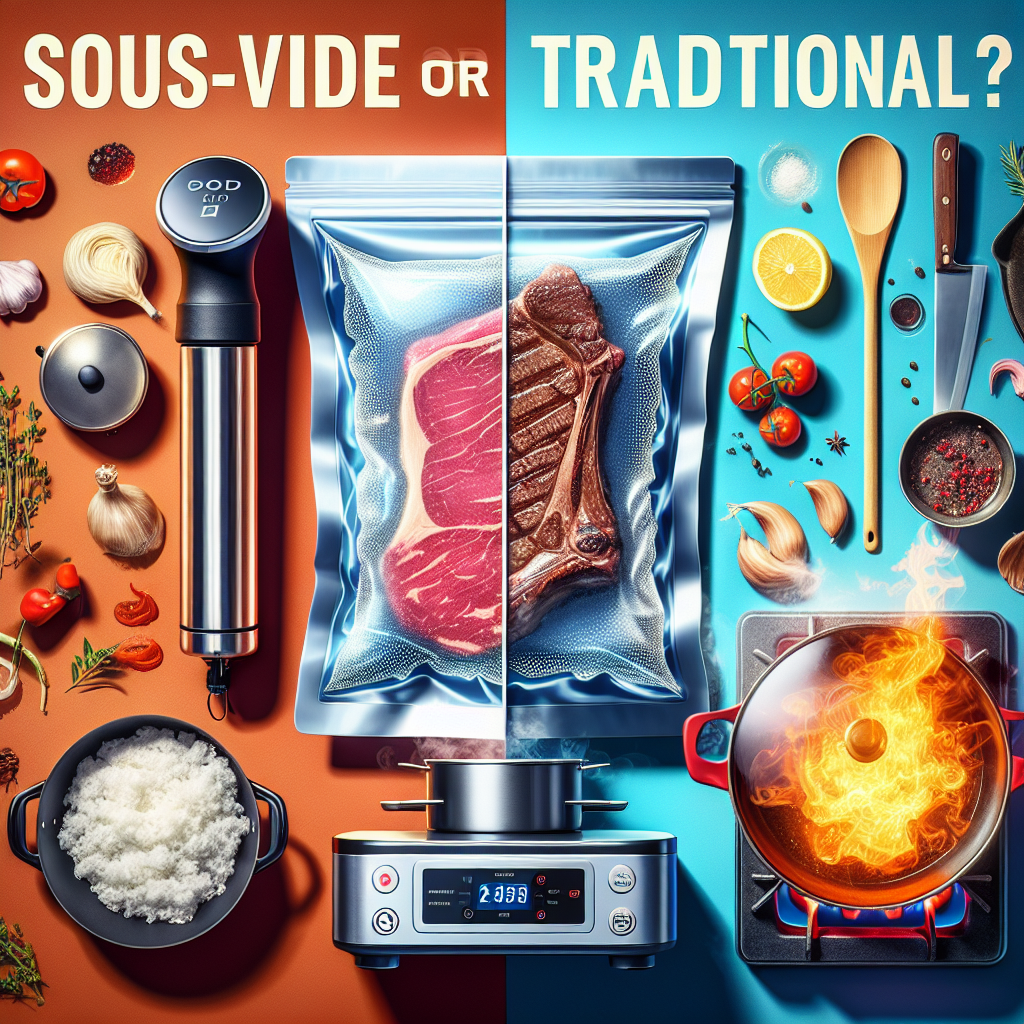
When it comes to cooking techniques, two popular methods that often go head-to-head are sous-vide and traditional cooking. Each method has its own unique characteristics and benefits, and knowing the differences between the two can help you decide which one is right for you.
Sous-vide cooking involves vacuum-sealing food in a bag and cooking it in a water bath at a precise temperature for an extended period of time. This method is known for producing perfectly cooked, tender and juicy meats, as well as vibrant vegetables that retain their nutrients and flavors.
On the other hand, traditional cooking methods, such as roasting, grilling, sautéing, and boiling, rely on direct heat to cook food quickly. While these methods can produce delicious results, they may not always achieve the same level of consistency and precision as sous-vide cooking.
Whether you prefer the convenience and precision of sous-vide cooking or the time-honored tradition of traditional cooking, both methods have their own merits and can produce mouthwatering dishes that will satisfy your taste buds.
Sous-vide vs. Traditional Cooking: The Ultimate Showdown
When it comes to cooking, there are two main methods that have gained popularity in recent years – sous-vide cooking and traditional cooking. Each method has its own unique set of advantages and disadvantages, and in this post, we will explore the differences between the two and help you decide which one is right for you.
Sous-vide Cooking
Sous-vide cooking involves cooking food in a vacuum-sealed bag at a precise temperature in a water bath. This method allows for precise control over the cooking temperature, resulting in perfectly cooked food every time. Sous-vide cooking is often praised for its ability to retain the natural juices and flavors of the food, as well as for its convenience and ease of use.
If you’re interested in trying sous-vide cooking at home, check out this SousVideWizard website for tips, tricks, and recipes.
Traditional Cooking
Traditional cooking, on the other hand, involves cooking food directly over a heat source, such as a stovetop or oven. While traditional cooking methods can require more skill and attention to detail, they also allow for greater versatility and flexibility in the kitchen. Traditional cooking is often preferred for certain dishes that benefit from the caramelization and browning that can only be achieved through high-heat cooking.
For traditional cooking inspiration, visit this Food Network website for a wide range of delicious recipes.
Conclusion
Ultimately, the choice between sous-vide and traditional cooking comes down to personal preference and what you’re looking to achieve in the kitchen. Both methods have their own set of advantages and can produce delicious results when done correctly. Whether you’re a sous-vide enthusiast or a traditionalist at heart, there’s no wrong way to cook – as long as the end result is a delicious meal enjoyed with family and friends.

Understanding the Difference Between Sous-vide and Traditional Cooking
When it comes to cooking, two methods that have gained popularity in recent years are sous-vide and traditional cooking. Each method has its own unique benefits and drawbacks, making it important to understand the differences between the two.
Sous-vide Cooking
Sous-vide cooking involves sealing food in a plastic bag and cooking it in a water bath at a precisely controlled temperature. This method allows for precise control over the cooking process, resulting in evenly cooked and flavorful dishes.
Traditional Cooking
Traditional cooking involves using heat, whether it be on a stovetop or in an oven, to cook food. While this method is more hands-on and may require more attention, it allows for quicker cooking times and the development of flavors through techniques such as searing and browning.
So, which method is better? The answer ultimately depends on personal preference and the desired outcome. Sous-vide cooking is ideal for those who value precision and consistency, while traditional cooking may appeal to those who enjoy the process of cooking and the flavors that can be achieved through traditional methods.
For more information on sous-vide cooking, check out Wikipedia’s page on sous-vide cooking.

Frequently Asked Questions about Sous-vide and Traditional Cooking
What is sous-vide cooking?
Sous-vide is a method of cooking in which food is placed in a vacuum-sealed bag and cooked in a temperature-controlled water bath for an extended period of time. This technique ensures that the food is cooked evenly and retains its moisture and flavor.
How does sous-vide cooking differ from traditional cooking methods?
Traditional cooking methods involve cooking food directly over heat, either on a stovetop, in an oven, or on a grill. Sous-vide cooking, on the other hand, relies on precise temperature control to achieve consistent results.
Which is better, sous-vide or traditional cooking?
Both sous-vide and traditional cooking have their own advantages and disadvantages. Sous-vide cooking is known for producing incredibly tender and moist results, while traditional cooking methods often result in a more caramelized and flavorful crust on the food.
Is sous-vide cooking difficult to learn?
Sous-vide cooking can be a bit intimidating for beginners, but with practice and the right equipment, it can become a straightforward and enjoyable cooking technique.
Can I achieve the same results with traditional cooking methods?
While traditional cooking methods can produce delicious results, sous-vide cooking offers a level of precision and consistency that is hard to achieve with other techniques. It ultimately depends on personal preference and the type of dish being prepared.
Are there any safety concerns with sous-vide cooking?
When using sous-vide cooking, it is important to ensure that food is cooked to the appropriate temperature to eliminate any potential bacteria or pathogens. Proper food handling and storage practices should always be followed.

Sous-vide Cooking:
- Precise control over temperature
- Food retains moisture and flavor
- Requires longer cooking times
- May need additional steps for browning
- Minimal supervision needed during cooking
Traditional Cooking:
- Traditional flavors and techniques
- Shorter cooking times
- Requires more hands-on attention
- Varied textures in food due to cooking methods
- Opportunity for browning and caramelization





