Contents
Stay Rust-Free: How to Protect Your Stainless Steel Kettle from Corrosion
Stainless steel kettles are popular for their durability and aesthetic appeal, but without proper maintenance, they can easily succumb to rust and corrosion. Fortunately, there are simple steps you can take to keep your kettle looking and functioning like new.
First and foremost, it’s important to clean your kettle after each use. Use a soft cloth or sponge and avoid harsh abrasives or scouring pads that can scratch the surface and create opportunities for rust to form. Additionally, avoid leaving water or other liquids in your kettle for extended periods of time, as this can also contribute to rusting.
To further protect your kettle, consider using a protective coating or polishing it regularly with a stainless steel cleaner. This can help to prevent oxidation and keep your kettle shining bright.
By following these simple tips, you can help ensure that your stainless steel kettle stays rust-free and in top condition.
Introduction
Stainless steel kettles are one of the most popular choices for boiling water in the kitchen. However, over time, stainless steel can deteriorate and develop rust. Rust not only affects the appearance of your kettle but also contaminates the water and affects the taste of your food and beverages. In this blog post, we’ll share some tips on how to protect your stainless steel kettle from corrosion, so your brews always taste fresh.
What causes corrosion in stainless steel?
Stainless steel is a material made from a combination of iron, carbon, and other elements. While it’s known for its strength, durability, and resistance to rust and corrosion, it’s still susceptible to oxidation, especially if not handled with care. Chloride, saltwater, harsh chemicals, and acidic substances are some of the common culprits that cause corrosion in stainless steel. It’s also important to note that scratching or improper cleaning of your stainless steel kettle can trigger corrosion.
How to prevent corrosion in stainless steel kettles
1. Choose the right type of stainless steel
Not all stainless steel is created equal. There are different grades of stainless steel classified by the percentage of chromium and nickel used in the alloy. The higher the content of these two materials, the more rust and corrosion-resistant the steel will be. Look for kettles made from 304 or 316-grade stainless steel with nickel content of at least 8%, which are considered food-grade and safe for use in the kitchen.
2. Clean your kettle properly
Keeping your kettle clean can go a long way in preventing corrosion. Always use mild soap, water, and a non-abrasive scrubber to clean your stainless steel kettle. Avoid using harsh chemicals and abrasive materials such as steel wool, vinegar, or bleach, as these can scratch or damage your kettle’s surface. Rinse your kettle thoroughly and wipe it dry with a soft cloth after each use.
3. Avoid exposure to chloride and saltwater
Chloride and saltwater are two of the biggest enemies of stainless steel. Avoid leaving your kettle in contact with saltwater or chloride-rich substances for extended periods of time. If you live in an area with high humidity levels, consider investing in a dehumidifier to reduce the environment’s humidity and prevent corrosion.
4. Store your kettle properly
When not in use, make sure to store your kettle in a dry, cool, and ventilated place. Avoid nesting different metal utensils or objects inside your kettle, as these can scratch the surface and trigger corrosion. Opt for a soft case or a cloth bag to store your kettle if you’re planning to store it for a long time or carry it during travel.
Conclusion
Prevention is always better than cure when it comes to corrosion in stainless steel kettles. Choosing the right material, cleaning your kettle properly, and storing it the right way can help extend your kettle’s lifespan and keep it rust-free. Follow these tips, and you’ll always enjoy a hot cup of tea or coffee without worrying about the corrosion or contamination of your kettle.
Resources
- Water Quality and Corrosion in Stainless Steel
- How to Clean and Maintain Stainless Steel
- Does Humidity Damage Surgical Instruments and Implants?

Stay Rust-Free: How to Protect Your Stainless Steel Kettle from Corrosion
Why does stainless steel rust?
Contrary to what the name implies, stainless steel can indeed rust. This happens when the layer of chromium oxide, which gives stainless steel its corrosion resistance, is compromised. This can occur when the stainless steel is exposed to harsh chemicals, high temperatures, prolonged exposure to salty water, and mechanical damage such as scratches.
What can I do to prevent my kettle from rusting?
To keep your stainless steel kettle corrosion-free, you should:
- Use mild dish soap and water to clean the kettle instead of abrasive cleaners that can scratch the surface.
- Wash and dry the kettle thoroughly after each use, this prevents any lingering moisture that may cause rust.
- Avoid using tap water that has high levels of chlorine and fluoride
- Use distilled water to descale the kettle.
- Avoid exposing the kettle to high heat or prolonged heat exposure.
- Store the kettle in a dry location away from humidity.
What can I do if my kettle already has rust spots?
If you notice any rusty spots on your stainless steel kettle, here are some things you can try:
- Make a solution of vinegar and water, apply it to the affected area, and let it sit for 10 to 15 minutes. Scrub the rust gently with a soft-bristled brush and rinse the area with water.
- Create a paste using baking soda and water. Apply this to the rust spots and let it stay for 30 minutes before rubbing the area gently with a soft-bristled brush and rinsing it with water.
- If these DIY methods don’t work, you may have to use a rust remover. But be sure to follow the manufacturer’s instructions carefully, as these products contain harsh chemicals that can damage your kettle if misused.
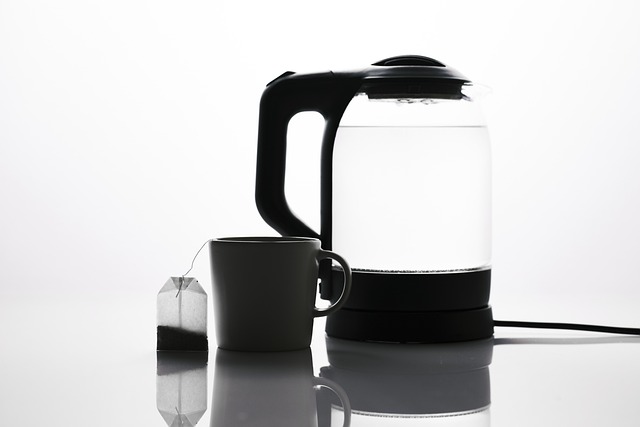
Preventing Rust in your Stainless Steel Kettle
Why Does Rust Form on Stainless Steel Kettles?
Stainless steel is known for its durability and resistance to rust, but it is still susceptible to rust formation. Rust forms when there is contact between stainless steel and moisture, air, and other metals. The formation of rust on stainless steel can cause discoloration, weak spots, and even holes.
How to Prevent Rust Formation in Your Stainless Steel Kettle?
1. Clean your kettle regularly with warm soapy water, and make sure to dry it thoroughly.
2. Avoid using hard water in your kettle as it can cause mineral buildup and corrosion.
3. Keep your kettle away from other metal objects to prevent contact and corrosion.
4. Store your kettle in a dry place to avoid moisture buildup.
5. If your kettle has already developed rust, try using a mixture of baking soda and water to gently scrub it away.
Conclusion
Preventing rust formation in your stainless steel kettle is crucial to ensure a longer lifespan for your kettle. Cleaning your kettle regularly and avoiding exposure to moisture and other metals can go a long way in preventing rust formation. If your kettle has already developed rust, try using a mixture of baking soda and water to gently scrub it away.
If you want to learn more about stainless steel and rust prevention, check out this Wikipedia page on stainless steel corrosion resistance.

Stay Rust-Free: How to Protect Your Stainless Steel Kettle from Corrosion
Introduction
- The importance of protecting your stainless steel kettle from corrosion.
- The causes of corrosion and rust on stainless steel kettles.
Cleaning and Maintenance
- Regular cleaning and maintenance to prevent corrosion.
- Use of non-abrasive cleaning products.
- Drying the kettle properly after cleaning.
Using the Kettle
- Avoid using abrasive surfaces or tools when handling the kettle.
- Avoid exposing the kettle to salt or chlorine.
- Avoid leaving water or liquid in the kettle for extended periods of time.
Storage
- Store the kettle in a dry and cool place.
- Use a protective cover or bag for the kettle when not in use.
Conclusion
- By following these tips, your stainless steel kettle can stay rust-free and looking new for a long time.