Contents
Tea Time Evolution: Discovering the Inventor of the Iconic Whistling Kettle
Tea time has always been an integral part of cultures around the world. From ancient traditions to modern-day rituals, tea has remained a beloved beverage, offering comfort and solace to millions. But have you ever wondered about the origins of the iconic whistling kettle?
In this article, we will delve into the fascinating history and evolution of the whistling kettle, a significant invention that revolutionized the tea-making experience. Join us on a journey back in time as we uncover the brilliant mind behind this invention.
Tea Time Evolution: Discovering the Inventor of the Iconic Whistling Kettle
Origins of the Whistling Kettle
The whistling kettle, a beloved icon of tea enthusiasts worldwide, has a fascinating history. It emerged during the 19th century as a response to the need for a convenient and reliable way to boil water for tea making.
While tea consumption dates back centuries, traditional methods of heating water involved using a simple kettle on a stove. However, this often led to an accidental and undesirable boiling over of water or leaving it unattended, resulting in a dry kettle and potentially damaging the vessel.
Thus, the whistling kettle was invented, revolutionizing the tea time experience for centuries to come.
The Inventor: Walter H. Nye
Walter H. Nye, an American inventor, is credited with the creation of the iconic whistling kettle. Born in 1831, Nye’s ingenuity led to the invention of various kitchen gadgets, but it was his development of the practical and efficient whistling kettle that earned him recognition and everlasting contribution to tea lovers worldwide.
While the exact details of the creation process may be elusive, historical records indicate that Nye’s invention received a patent in 1877 for a “musical tea-kettle” that produced a loud and distinct whistle when the water reached its boiling point.
Nye’s innovative design incorporated a steam pressure mechanism, allowing the whistle to sound when the pressure reached a certain level. This provided tea enthusiasts with an audible cue, preparing them for the perfect tea brewing experience.
Without Walter H. Nye’s invention, our tea time rituals would lack the charm and anticipation that the whistling kettle brings to our daily lives.
Legacy and Popularity
Since its creation, the whistling kettle gained immense popularity and has become a cherished item in households around the world. Its distinctive sound is synonymous with the joyful anticipation of a freshly brewed cup of tea.
The iconic status of the whistling kettle extends beyond function and practicality. It has become a symbol of comfort, warmth, and tradition, transcending generations and cultures.
To this day, many manufacturers continue to produce whistling kettles, combining traditional designs with modern features and materials, ensuring that this tea time evolution remains a cherished part of our daily lives.
Conclusion
The whistling kettle stands as a testament to the inventiveness of Walter H. Nye, who forever changed the way we enjoy our tea. This iconic kettle not only adds charm to our tea rituals but also serves as a reminder of the rich history and cultural significance of tea throughout the centuries.
So, next time you hear the delightful whistle signaling the water is ready, take a moment to appreciate the legacy of the whistling kettle and the passion for tea that brought this invention to life.

Frequently Asked Questions about Tea Time Evolution
What is the story behind the iconic whistling kettle?
The iconic whistling kettle was invented by Richard Hull in 1901. Hull was an Englishman who first introduced this innovative kettle design. The whistling feature was added as a practical way to alert users when the water has reached boiling point. This invention revolutionized tea time as it provided a convenient and efficient way to boil water for tea preparation.
Why is the whistling kettle considered iconic?
The whistling kettle has become iconic due to its widespread popularity and recognition as a symbol of tea time. This kettle design has stood the test of time and continues to be widely used in households around the world. Its distinctive whistle sound has become synonymous with the anticipation of freshly brewed tea, making it an iconic part of the tea-drinking experience.
How does the whistling mechanism work?
The whistling mechanism in a whistling kettle operates through a combination of steam and pressure. As the water inside the kettle reaches boiling point, steam builds up pressure that triggers a small device, usually a metal whistle, to vibrate and create a high-pitched sound. This sound acts as an audible signal to let the user know that the water is ready for tea preparation.
Can I use a whistling kettle for things other than making tea?
While whistling kettles are primarily designed for tea preparation, they can also be used for boiling water for other hot beverages or cooking needs. The whistling feature serves as a helpful reminder when the water has reached boiling point, making it suitable for various applications in the kitchen.
Are there modern variations of the whistling kettle?
Yes, there are many modern variations of the whistling kettle available in the market today. While the basic functional design remains similar, manufacturers have introduced various materials, finishes, and additional features to cater to different preferences and aesthetics. These may include different types of handles, heat-resistant materials, and advanced pouring mechanisms.
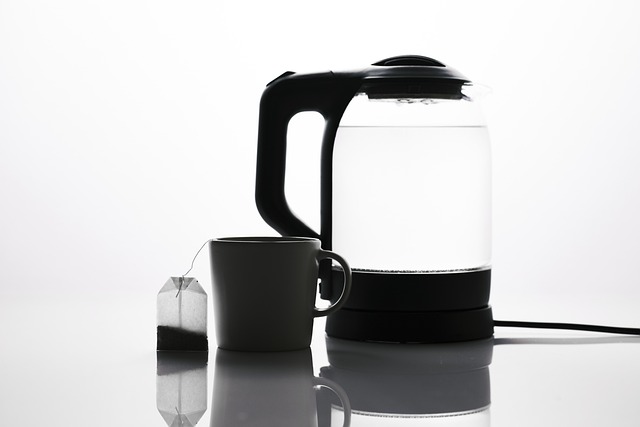
The History of Whistling Tea Kettles
Early Origins of Tea Kettles
Tea has been enjoyed for centuries, originating in ancient China. As tea became more popular, teapots and kettles were developed to efficiently heat and brew tea. However, the concept of a whistling tea kettle is a relatively recent addition to this long history.
The Invention of the Whistling Tea Kettle
While the exact inventor of the whistling tea kettle is unclear, its development can be traced back to the late 19th century. The idea behind the whistle was to have a device that would audibly alert users when the water reached boiling point, preventing it from boiling dry or causing accidents.
Improved Designs and Popularity
Over time, the design and functionality of whistling tea kettles have improved. Early versions often had a metal whistle attached to the spout, which emitted a high-pitched sound when steam passed through it. However, advancements in materials and technology have led to more efficient and aesthetically pleasing designs.
Modern Whistling Tea Kettles
Today, whistling tea kettles are available in a variety of styles and materials, including stainless steel, copper, and ceramic. They are a popular choice for tea enthusiasts and can be found in households worldwide. The distinctive whistle adds a charming touch to the tea brewing process.
Learn More on Wikipedia

Tea Time Evolution: Discovering the Inventor of the Iconic Whistling Kettle
-
The Origins of the Whistling Kettle
Learn about the fascinating history behind the iconic whistling kettle and how it has evolved over time.
-
Unveiling the Inventor
Explore the story of the genius mind behind the creation of the whistling kettle and the inspiration behind its design.
-
Revolutionizing Tea Time
Discover how the invention of the whistling kettle revolutionized the tea time experience, making it more convenient and enjoyable for tea lovers everywhere.
-
Modern Adaptations
Get insights into the modern adaptations and improvements made to the whistling kettle, ensuring its functionality and appeal remain relevant in today’s world.
-
The Legacy of the Whistling Kettle
Learn about the impact of the whistling kettle on tea culture and its lasting legacy in kitchens around the globe.