

Contents
The Environmental Impact of Reverse Osmosis Systems: Is It a Sustainable Choice?
Reverse osmosis (RO) systems are popular for their ability to purify water, but there is growing concern about their environmental impact. This article aims to explore the sustainability of using reverse osmosis systems and their potential environmental consequences.
Key considerations will include the energy consumption, waste generation, and overall ecological footprint of reverse osmosis systems. By examining these factors, we can determine whether RO systems are a sustainable choice for water purification.

💧 = Use the coupon code SALEG3P800 to save $150 OFF on the 800GPD Tankless RO System with UV Sterilizing Light – Waterdrop G3P800 = 💧
The Environmental Impact of Reverse Osmosis Systems
Reverse osmosis systems have gained popularity as a solution for purifying water in residential and commercial settings. However, there is growing concern about the environmental impact of these systems. This blog post aims to explore whether reverse osmosis systems are a sustainable choice for water purification.
What is Reverse Osmosis?
Reverse osmosis is a water purification process that uses a partially permeable membrane to remove ions, molecules, and larger particles from drinking water. This process is effective in removing contaminants, but it also generates a significant amount of wastewater, which raises questions about its environmental sustainability.
Wastewater Generation
One of the key environmental concerns associated with reverse osmosis systems is the generation of wastewater. For every gallon of purified water produced, a reverse osmosis system may generate anywhere from 1 to 3 gallons of wastewater. This wastewater contains concentrated levels of contaminants and requires proper disposal or treatment, which can be both costly and energy-intensive.
Energy Consumption
Reverse osmosis systems also consume a considerable amount of energy. The process of forcing water through the membrane requires high pressure, which is typically achieved using electric pumps. The energy consumption of these pumps adds to the overall environmental footprint of reverse osmosis systems.
Plastic Waste
Another environmental impact of reverse osmosis systems is the production of plastic waste. Most reverse osmosis systems use plastic membranes and filters, which contribute to the growing issue of plastic pollution. Proper disposal of used membranes and filters is essential to minimize the impact on the environment.
Is It a Sustainable Choice?
While reverse osmosis systems are effective at removing contaminants from water, their environmental impact raises questions about their overall sustainability. As a consumer, it’s important to weigh the benefits of water purification against the potential environmental consequences of reverse osmosis systems.
Alternative water purification methods, such as carbon filtration and distillation, may offer more sustainable options with lower environmental impacts. Additionally, reducing water consumption and addressing the root causes of water contamination can contribute to a more sustainable water management approach.
It’s essential to consider the environmental impact of reverse osmosis systems and explore alternative solutions that align with sustainable practices. By making informed choices about water purification, we can work towards a more environmentally friendly and sustainable future.
For more information on sustainable water management and environmental conservation, check out our blog post on Sustainability Solutions for Clean Water.
💧 = Use the coupon code SALEG3P800 to save $150 OFF on the 800GPD Tankless RO System with UV Sterilizing Light – Waterdrop G3P800 = 💧
Shop now for Waterdrop N1
Frequently Asked Questions
What is the environmental impact of reverse osmosis systems?
Reverse osmosis systems can have a negative environmental impact due to the amount of water waste they produce. For every gallon of purified water, a reverse osmosis system can waste anywhere from 2-4 gallons of water. This can contribute to water scarcity and put a strain on the environment.
Is using a reverse osmosis system a sustainable choice?
While reverse osmosis systems are effective at removing contaminants from water, they are not considered a sustainable choice due to the amount of water waste they produce. Additionally, the energy required to operate these systems can also contribute to environmental impact. There are alternative water filtration methods that are more sustainable and produce less waste.

The Benefits of Using a Reverse Osmosis System
Reverse osmosis systems are an effective way to purify water in your home. By using a semi-permeable membrane, these systems remove contaminants such as lead, chlorine, and other impurities from your drinking water.
One of the main benefits of using a reverse osmosis system is the improved taste and odor of your water. These systems also provide a more efficient and cost-effective way of obtaining clean, purified water compared to buying bottled water or using a pitcher with a filter.
How Reverse Osmosis Systems Work
Reverse osmosis systems work by applying pressure to the water, forcing it through a semi-permeable membrane. This process effectively removes contaminants and impurities, leaving you with clean, great-tasting water.
It is important to note that while reverse osmosis systems are effective at removing most impurities, they may also remove some beneficial minerals from the water. However, you can add mineral cartridges to the system to ensure that you are still getting the essential minerals your body needs.
For more information about reverse osmosis systems, you can visit the Wikipedia page on reverse osmosis.
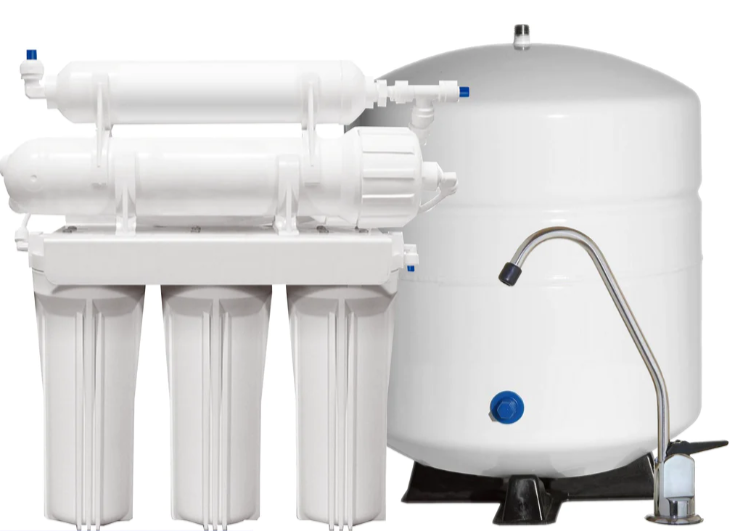
The Environmental Impact of Reverse Osmosis Systems: Is It a Sustainable Choice?
Pros of Reverse Osmosis Systems
- Removes contaminants from water
- Produces high-quality drinking water
- Can be more sustainable than bottled water
Cons of Reverse Osmosis Systems
- Wastewater produced during filtration process
- Consumes significant amounts of energy
- May strip water of essential minerals
💧 = Use the coupon code SALEG3P800 to save $150 OFF on the 800GPD Tankless RO System with UV Sterilizing Light – Waterdrop G3P800 = 💧
Category – Reverse osmosis and filters