Contents
The Facts About Le Creuset Tea Kettles and Potential Health Risks
Le Creuset is a well-known brand known for its quality cookware and kitchen accessories. One of the most popular products in their collection is their tea kettles, which come in a variety of colors and designs. However, recent studies have raised concerns about potential health risks associated with Le Creuset tea kettles.
The primary cause of concern is the enamel coating used on these kettles. Although the enamel is durable and provides a protective layer, it contains trace amounts of heavy metals such as lead and cadmium. These metals can leach into the hot water being boiled in the kettle and potentially cause health problems if ingested over an extended period.
While the levels of lead and cadmium found in Le Creuset tea kettles may not necessarily pose an immediate health risk, it is still a matter of concern for those who use them frequently. Additionally, individuals who have dietary restrictions for certain heavy metals, such as pregnant women and children, may want to avoid Le Creuset tea kettles altogether to prevent any potential harm.
To minimize the risks associated with Le Creuset tea kettles, it is recommended to use filtered water and avoid boiling the water for an extended period. Additionally, regular cleaning of the kettle can help to prevent the buildup of heavy metals that may have leached into the enamel coating.
In conclusion, while Le Creuset tea kettles are a popular and stylish addition to any kitchen, they do come with potential health risks associated with the enamel coating’s heavy metal content. It is essential to be aware of these risks and take necessary precautions to minimize exposure to these metals and prevent any potential harm.
What are Le Creuset Tea Kettles?
Le Creuset is a French cookware brand that is known for its high-quality enamel-coated cast iron pots and pans. Le Creuset also offers a line of colorful tea kettles that are popular among tea lovers.
The Controversy Surrounding Le Creuset Tea Kettles
Recently, there has been some controversy surrounding Le Creuset tea kettles and their potential health risks. Some people have raised concerns about the enamel coating on the kettles, and whether it contains toxic chemicals that could be harmful if ingested.
What are the Potential Health Risks?
There is a concern that the enamel coating on Le Creuset tea kettles may contain lead or cadmium, which are toxic heavy metals that can cause serious health problems if ingested in high enough quantities. The enamel coating can become chipped or damaged over time, which could result in these toxic metals leaching into the water that is boiled in the kettle. While the risk of exposure to these toxic metals is small, it is still a concern for some consumers.
What Does Le Creuset Say about the Potential Health Risks?
Le Creuset has responded to these concerns by stating that their tea kettles are safe to use and that the enamel coating does not contain lead or cadmium. They claim that their products meet or exceed all health and safety standards set by regulatory agencies and that they regularly test their products to ensure that they are safe for consumers.
How to Minimize the Potential Health Risks
If you are concerned about the potential health risks associated with Le Creuset tea kettles, there are some steps you can take to minimize your risk of exposure to toxic metals:
- Inspect your tea kettle regularly for any signs of chipping or damage to the enamel coating. If you notice any damage, stop using the kettle immediately and contact Le Creuset for a replacement.
- Use filtered water when boiling water in your kettle. This can help to reduce your exposure to any contaminants that may be present in tap water.
- Avoid boiling water in your kettle for extended periods of time, as this can increase the risk of toxic metals leaching into the water.
Conclusion
While there is a small risk of exposure to toxic metals associated with Le Creuset tea kettles, it is important to keep in mind that the risk is very low. Le Creuset has taken steps to ensure that their products are safe for consumers, and if you follow the steps outlined above, you can further reduce your risk of exposure. Ultimately, the decision of whether or not to use a Le Creuset tea kettle is a personal one that should be based on your own level of comfort and risk tolerance.
Relevant Link
To learn more about Le Creuset cookware and their safety standards, visit their FAQ Safety page.

The Facts About Le Creuset Tea Kettles and Potential Health Risks
What are Le Creuset Tea Kettles?
Le Creuset Tea Kettles are high-quality enamel-coated stovetop kettles designed for boiling water and making tea.
Are there any potential health risks associated with using Le Creuset Tea Kettles?
There have been concerns raised about the potential risks of using Le Creuset Tea Kettles due to the enamel coating. The enamel coating may contain lead, which can be harmful if ingested or inhaled.
How can I ensure that my Le Creuset Tea Kettle is safe to use?
To ensure that your Le Creuset Tea Kettle is safe to use, make sure that the enamel coating is intact and not chipped or cracked. If the enamel is chipped or cracked, it may release particles containing lead into the water when boiling, which can be harmful.
Can I still use my Le Creuset Tea Kettle if it has chips or cracks in the enamel coating?
It is not recommended to use a Le Creuset Tea Kettle if it has chips or cracks in the enamel coating. Instead, you should replace it with a new one to ensure that your health and safety are not at risk.
How can I prevent the enamel coating on my Le Creuset Tea Kettle from chipping or cracking?
To prevent the enamel coating on your Le Creuset Tea Kettle from chipping or cracking, avoid dropping or banging the kettle against hard surfaces. Also, be careful what type of utensils you use to stir the water, as metal utensils can scratch the enamel. Lastly, avoid exposing the kettle to extreme temperature changes, such as placing a hot kettle in cold water or a cold kettle on a hot stove.
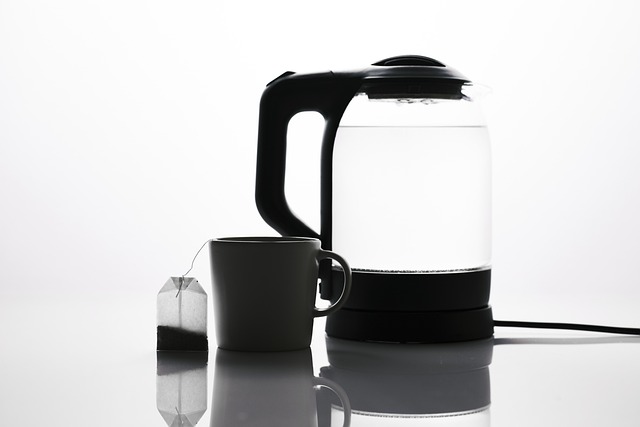
Are Le Creuset Tea Kettles Safe for Your Home?
Introduction to Le Creuset Tea Kettles
Le Creuset is a well-known brand for its signature colorful cast iron cookware that has been on the market for over 90 years. Among their other product lines, Le Creuset offers a wide range of tea kettles that come in different shapes, styles, and colors. But, are Le Creuset tea kettles a good and safe choice for your home?
Le Creuset Tea Kettle Materials and Safety Features
Le Creuset tea kettles are made with high-quality materials to ensure durability, performance, and safety. The majority of their kettles are made of enamel-coated steel, while some also have a cast iron construction. Both materials provide efficient heat distribution and retain heat for longer periods. Le Creuset tea kettles also have several safety features, including heat-resistant handles, whistle alerts to notify you when the water is boiled, and a stainless steel lid with a heat-resistant knob.
Are Le Creuset Tea Kettles Safe for Health?
Le Creuset tea kettles are safe for health, and they do not contain any harmful chemicals or substances. The enamel coating used on the steel and cast iron kettles is non-reactive and does not leach into the water you are boiling. This means that your water is not contaminated in any way, making it safe to drink or use for cooking or brewing.
Conclusion
In conclusion, Le Creuset tea kettles are a great choice for anyone looking for a safe and reliable kettle for their home. With high-quality materials, safety features, and a variety of colors and styles to choose from, Le Creuset tea kettles are worth investing in. If you want to learn more about Le Creuset and their product line, check out their page on Wikipedia.

The Facts About Le Creuset Tea Kettles and Potential Health Risks
What are Le Creuset Tea Kettles?
- Le Creuset Tea Kettles are stovetop kettles made by the cookware brand Le Creuset.
- They are made of enameled cast iron and come in a variety of colors and designs.
What are the potential health risks?
- Some studies suggest that enameled cast iron can leach small amounts of iron into food and beverages.
- While iron is an essential nutrient, excessive intake of iron can be harmful to those with certain health conditions.
- Additionally, the enamel coating can chip or crack, potentially exposing the iron underneath.
How can you reduce the risks?
- Use Le Creuset Tea Kettles in moderation and balance them with other cooking and serving vessels.
- Regularly inspect the enamel coating for chips or cracks and replace the kettle if any are found.
- Consider using a separate tea kettle made of stainless steel or glass for those with concerns about iron intake.