





Contents
The Future of Cooking: 3D Printed Food Explained
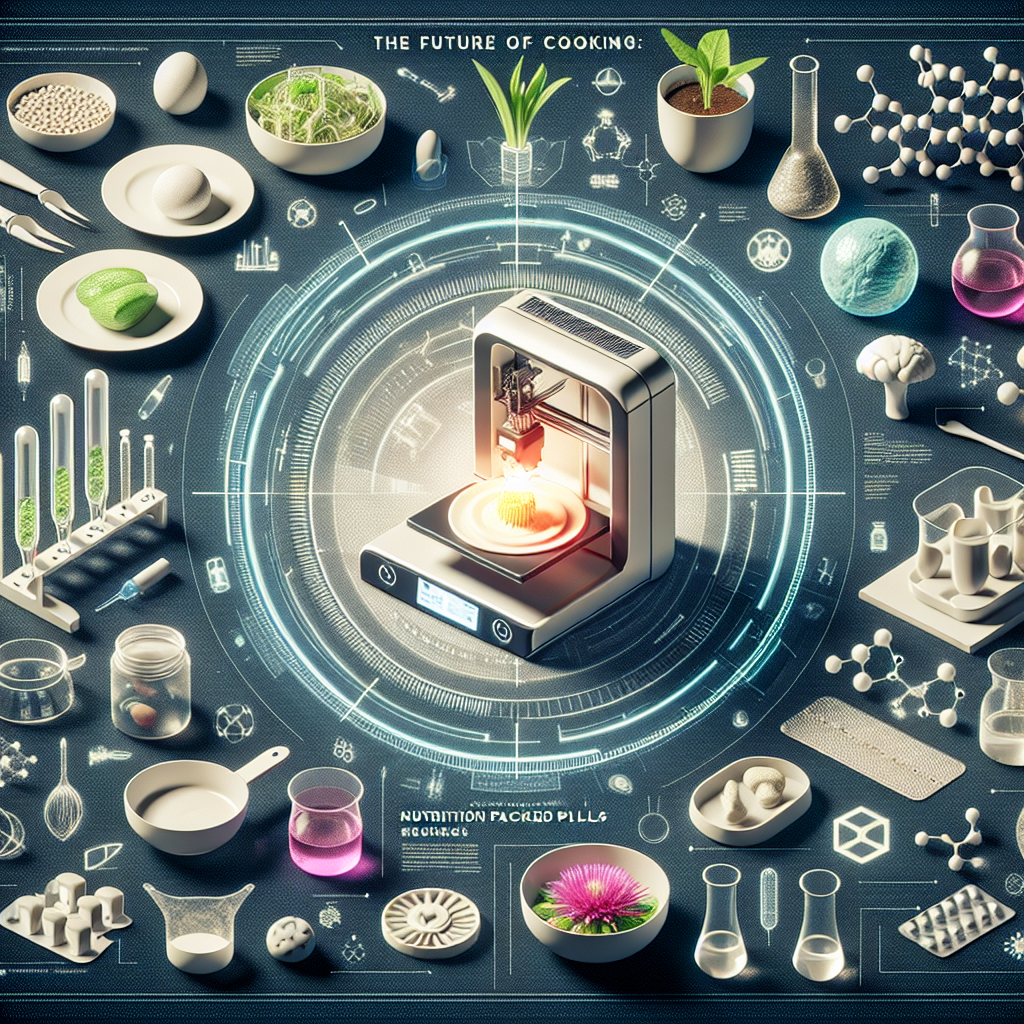
As technology continues to evolve, the culinary world is experiencing a revolutionary change with the advent of 3D printed food. This innovative approach to cooking not only challenges traditional methods but also opens up new possibilities for creativity and efficiency in the kitchen. Imagine crafting intricate dishes layer by layer, precisely controlled by a machine, allowing for customization and personalization that were once thought to be impossible. In this exploration of the future of cooking, we will delve into how 3D printing is transforming the way we think about food production, presentation, and sustainability.
What is 3D Printed Food?
3D printed food is the application of 3D printing technology in culinary arts, where edible ingredients are used to create complex shapes and designs. This innovative approach allows chefs and food technologists to push the boundaries of creativity and functionality in food presentation and preparation.
The Technology Behind 3D Printed Food
How 3D Printers Work
3D printers create objects by layering materials based on digital models. In the case of food, the printer uses food pastes, powders, or gels that are extruded layer by layer. Each layer is allowed to set before the next is applied, allowing for intricate designs and structures.
Common Ingredients Used
Ingredients commonly used in 3D food printing include:
- Pureed fruits and vegetables
- Chocolate and sugar pastes
- Flavor-infused gels
- Protein-rich pastes derived from meat and fish
Benefits of 3D Printed Food
Customization and Personalization
One of the key advantages of 3D printed food is the ability to customize meals based on individual dietary needs or preferences. For instance, people with allergies or specific nutritional requirements can have meals tailored to their needs.
Food Waste Reduction
3D printing can significantly reduce food waste by utilizing food by-products and excess ingredients. This not only contributes to sustainability but also optimizes resource use in food production.
Challenges Facing 3D Printed Food
Regulatory and Safety Concerns
As with any new technology, there are regulatory hurdles that need to be addressed. It’s essential to ensure that the materials used in 3D food printing are safe for consumption and adhere to food safety standards.
Manufacturing Costs
The current cost of 3D food printers and the materials used can be prohibitively expensive for small-scale kitchens or home cooks. As technology advances, prices are expected to decrease, making this innovation more accessible.
Examples of 3D Printed Food in Use
Restaurants and Food Innovators
Many avant-garde restaurants are already experimenting with 3D printed dishes. Chef Jasper Wiggelink has gained recognition for his stunning 3D printed creations that blend science and haute cuisine.
Home Cooking Revolution
3D printing technology is also entering home kitchens, with accessible printers designed for users without a culinary background. These devices allow everyday cooks to explore their cooking creativity.
The Future of 3D Printed Food
Integration with Other Technologies
As technology continues to advance, 3D printed food could be integrated with other innovations, such as augmented reality (AR) and artificial intelligence (AI), to enhance the cooking and dining experience.
Global Implications
The potential for 3D printed food extends beyond individual kitchens. In regions experiencing food shortages, it could serve as a tool for food security, providing accessible, nutritious meals to those in need.

Understanding 3D Printing Food Technology
3D printing food is an innovative approach that merges technology with culinary arts. This method allows for precise control over the ingredients, enabling the creation of complex food shapes and textures.
Benefits of 3D Printing Food
- Customization: Individuals can tailor their meals according to dietary needs and preferences.
- Waste Reduction: The technology reduces food waste by utilizing only necessary ingredients.
- Creativity: 3D printers can produce intricate designs that are hard to achieve with traditional cooking methods.
Challenges of 3D Printing Food
Despite its advantages, there are challenges to consider. These include the need for specialized equipment, the cost of ingredients, and potential consumer acceptance.
Future Trends in 3D Food Printing
The future of 3D printing in food preparation looks promising. As the technology evolves, we can expect enhancements in speed, variety, and accessibility. This could revolutionize the way we think about food production.
Learn More
For a deeper understanding of 3D printing technology and its applications, visit the Wikipedia page on 3D Printing.

FAQs about The Future of Cooking: 3D Printed Food Explained
What is 3D printed food?
3D printed food refers to food items created using 3D printing technology, where ingredients are layered to form meals, snacks, or desserts based on digital designs.
How does 3D food printing work?
3D food printers work by extruding food pastes through a nozzle, layering them according to a computer-generated design. Various materials can be used, including pureed fruits, vegetables, and doughs.
What are the benefits of 3D printed food?
- Customization of flavors and textures to meet individual preferences.
- Reduction of food waste by using ingredients more efficiently.
- The ability to create complex designs and shapes that are hard to achieve by traditional cooking methods.
Are there any drawbacks to 3D printed food?
While 3D printed food has exciting potential, drawbacks include limited ingredient options, potential high costs for equipment, and regulatory challenges relating to food safety.
When can we expect to see 3D printed food in restaurants?
Many restaurants and culinary innovators are already experimenting with 3D food printing technologies. It is expected to become more mainstream within the next decade as technology advances and costs decrease.
What types of foods can be 3D printed?
3D printed foods include chocolates, pasta, pizza, and even burgers. The scope is expanding as more ingredients become suitable for printing.

Overview of 3D Printed Food
- 3D printing technology is revolutionizing the culinary world.
- Enables precise control over food texture and presentation.
- Offers customization based on nutritional needs and preferences.
Benefits
- Reduces food waste through optimized ingredient use.
- Enhances creativity with unique food designs.
- Facilitates meal preparation for individuals with dietary restrictions.
Challenges
- High initial costs for 3D food printers.
- Limited availability of suitable food materials.
- Public acceptance and perception of 3D printed food.
Future Prospects
- Potential for mass customization in food production.
- Advancements in food technology may improve accessibility.
- Integration with IoT for personalized meal planning.


