Contents
The History and Evolution of Cheesemaking
Cheese has been around for thousands of years, with evidence of its production dating back to ancient times. The exact origin of cheesemaking is unclear, but it is believed to have started in either the Middle East or central Asia.
As cheesemaking spread throughout the world, different regions began developing their own unique styles and varieties of cheese. In Europe, monks played a significant role in the history of cheesemaking, with many monasteries becoming renowned for their cheese production.
Over time, innovations in technology and science have led to significant advancements in cheesemaking. Pasteurization, which involves heating milk to kill harmful bacteria, has made cheese production safer and more consistent. Additionally, the use of specialized bacteria and cultures has allowed for the creation of new and unique cheese flavors.
Today, cheesemaking continues to evolve, with artisanal cheesemakers experimenting with new techniques and ingredients to create one-of-a-kind cheeses that are truly a reflection of their craft.
The Beginning of Cheesemaking
The history of cheesemaking dates back over 7,000 years, where evidence suggests that early farmers stored milk in containers made from animal hides. These containers allowed the milk to curdle and produce a sour, cheese-like substance. As the process continued to develop, people discovered that when the curd was separated from the whey, the cheese became firmer and could be preserved for longer periods of time.
Cheesemaking in Ancient Times
Egyptians and Greeks
The Egyptians and Greeks are known for their love of cheese. The Egyptians used cheese as both a food and as an offering to the gods. The Greeks were also cheese lovers, and to this day, feta cheese is one of their most prized exports. During this time, cheesemaking had become more sophisticated with the invention of cheese presses and molds.
Romans
The Romans took cheesemaking to a whole new level. They were the first to make hard cheeses, such as parmesan and pecorino romano. They were also known for their love of soft cheeses, which they often ate with honey and fruit.
Medieval Times and the Renaissance
Monastic Influence
During the Medieval Times, cheesemaking became an important industry. Monks, who were skilled in the art of cheesemaking, were responsible for the creation of many of the world’s most famous cheeses. They taught the farmers in their area how to make cheese, and cheese production became an important source of revenue for the monasteries.
The Renaissance
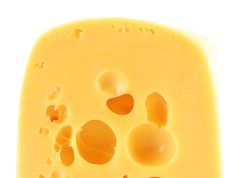
The Renaissance brought about new advancements in cheesemaking. The French were the first to experiment with aging cheese, which led to the creation of some of the world’s most famous cheeses, including brie and camembert. It was also during this time that the Swiss began making their famous cheese with holes, known as Emmental.
The Industrial Revolution and Modern Cheesemaking
Industrialization
The Industrial Revolution brought about significant changes in cheesemaking. The introduction of pasteurization allowed for safer cheese production, and factories began producing cheese on a large scale. This resulted in the birth of many processed cheeses, which were cheaper and easier to produce.
The Modern Era
Today, cheesemaking has become an art form. There are many different types of cheese being produced all over the world, each with their own unique flavor and texture. Artisanal cheesemakers are experimenting with new ingredients and techniques, and the demand for high-quality, handcrafted cheese is on the rise.
Conclusion
Cheesemaking has come a long way since its humble beginnings over 7,000 years ago. From animal hides to cheese presses, from monasteries to factories, from processed cheese to artisanal cheese, the evolution of cheesemaking is a testament to human ingenuity and creativity. Today, cheese remains an important part of our diet, and it’s hard to imagine a world without it.
References:
- The History of Cheese – History.com
- A Brief History of Cheese – The Spruce Eats
- History of Cheese – Cheese.com

FAQs: The History and Evolution of Cheesemaking
What is the history of cheesemaking?
Cheesemaking dates back as early as 6000 BCE, with evidence of cheesemaking in ancient Egypt and Mesopotamia. The Romans also played a significant role in spreading cheesemaking throughout Europe, with different regions developing their own unique styles of cheese.
How has cheesemaking evolved over time?
As technology has advanced, so has cheesemaking. Cheesemakers now have access to modern equipment and tools to make the process more efficient and consistent. Additionally, new cheese varieties have emerged, such as processed cheese and vegan cheese, to meet the changing needs and preferences of consumers.
What role does fermentation play in cheesemaking?
Fermentation is a critical step in the cheesemaking process, as it helps to transform milk into cheese. During fermentation, bacteria and/or yeast are added to milk to start the process of breaking down lactose into lactic acid. This process ultimately leads to the formation of curds and whey, which are used to create cheese.
Why is cheesemaking considered an art form?
Cheesemaking requires a unique combination of science and creativity, as each cheesemaker has their own personal touch on the process. Factors such as the type of milk used, the temperature, and the aging process can all impact the final product. As a result, cheesemaking is often considered an art form, as each cheese has its own unique texture, flavor, and aroma.

Overview
Cheese is a dairy product that comes in various forms, flavors, and textures. It is a staple food in many cultures around the world and is commonly used in cooking or as a snack. Here, we explore the different varieties of cheese that are available.
Hard Cheese
Hard cheeses are typically aged longer, which gives them a more concentrated flavor. They are also denser and usually have a firm, crumbly texture. Some examples of hard cheeses include cheddar, Parmesan, and Gouda.
Soft Cheese
Soft cheese, on the other hand, has a higher moisture content and is usually aged for a shorter time. They have a creamy texture and a milder flavor. Some examples of soft cheese include brie, camembert, and goat cheese.
Blue Cheese
Blue cheese is a type of cheese that is aged with the help of mold, giving it a distinct blue/green color and a sharp, pungent taste. Some of the more famous blue cheese varieties include Roquefort, gorgonzola, and Danish blue.
If you’re interested in learning more about the history and different types of cheese, you may want to check out the cheese page on Wikipedia.

The History and Evolution of Cheesemaking
-
Ancient Origins
- Cheesemaking dates back to at least 5500 BCE
- Early cheese was likely created by accident when milk was stored in containers made from animal stomachs
-
The Middle Ages
- Cheesemaking became an important industry in Europe
- Monks and nuns played a significant role in developing new varieties of cheese
-
The Industrial Revolution
- Cheesemaking was revolutionized with the use of new technologies and machinery
- Large-scale production led to increased availability and affordability of cheese
-
Modern Cheesemaking
- Cheesemaking has become a global industry, with new and unique varieties being created all over the world
- Advancements in science and technology have allowed for precise control of the cheesemaking process