Contents
The Science Behind Stainless Steel Stovetop Kettles: A Modern Approach to Boiling Water
Stainless steel stovetop kettles have become increasingly popular in modern kitchens due to their efficiency, durability, and sleek design. But have you ever wondered how these kettles work and why they are a better option for boiling water compared to traditional ones? Let’s delve into the science behind stainless steel stovetop kettles and explore the innovative technology behind them.
The Science Behind Stainless Steel Stovetop Kettles
A Modern Approach to Boiling Water
What Makes Stainless Steel Stovetop Kettles Special?
Stainless steel stovetop kettles have become increasingly popular in modern kitchens due to their efficiency and effectiveness in boiling water. Unlike traditional kettles, which were commonly made of ceramic or copper, stainless steel kettles offer several advantages through their unique composition.
The Role of Stainless Steel in Heat Conductivity
One of the key factors contributing to the popularity of stainless steel stovetop kettles is their excellent heat conductivity. Stainless steel is an efficient heat conductor, meaning it can quickly and evenly distribute heat throughout the kettle’s surface.
This enhanced heat conductivity ensures that the water inside the kettle heats up rapidly and uniformly, saving you time and energy in the boiling process. The stainless steel construction also allows the kettle to retain heat for longer, keeping the water hot for extended periods.
The Science of Stainless Steel’s Corrosion Resistance
Another essential characteristic of stainless steel is its exceptional corrosion resistance. Stainless steel contains a high proportion of chromium, which forms a thin and invisible protective layer on its surface called chromium oxide.
This chromium oxide layer acts as a barrier, shielding the stainless steel from moisture and preventing rust or corrosion. As a result, stainless steel stovetop kettles are highly durable and long-lasting, even when exposed to water and high temperatures regularly.
Benefits of Stainless Steel Kettles for Health
Aside from its functional advantages, stainless steel is also a safe and sanitary choice for boiling water. Unlike materials such as plastic or copper, stainless steel does not leach any harmful chemicals or toxins into the water during the boiling process.
It is essential to prioritize health and safety when selecting kitchen appliances, and stainless steel stovetop kettles offer a reliable option for those looking to avoid any potential health risks associated with other materials.
Cleaning and Maintenance Tips for Stainless Steel Kettles
Maintaining the quality of your stainless steel stovetop kettle is crucial for optimal performance. Here are a few cleaning and maintenance tips to ensure your kettle remains in top condition:
- Regularly wash the kettle with warm, soapy water to remove any residue or build-up.
- Avoid using abrasive cleaners or scrubbing pads that may scratch the stainless steel surface.
- To remove mineral deposits or stains, create a mixture of vinegar and water and let it soak in the kettle for a few hours before rinsing it thoroughly.
- Dry your stainless steel kettle after each use to prevent water spots or mineral accumulation.
Conclusion
Stainless steel stovetop kettles offer a modern and efficient approach to boiling water. The science behind their construction ensures excellent heat conductivity, corrosion resistance, and a safer option for your health. By understanding the benefits and proper maintenance techniques, you can enjoy the convenience and reliability of stainless steel stovetop kettles for years to come.
For more information about stainless steel kettles, visit Example Website.

Frequently Asked Questions
What is stainless steel?
Stainless steel is a type of alloy that contains iron, carbon, and various other elements such as chromium, nickel, and manganese. The addition of chromium to the mixture gives stainless steel its corrosion-resistance and durability properties.
Why choose a stainless steel stovetop kettle?
Stainless steel stovetop kettles have become a popular choice due to several reasons:
- Excellent heat conductivity: Stainless steel distributes heat evenly, resulting in faster boiling times compared to other materials.
- Durability: Stainless steel is known for its strength and resistance to rust and corrosion, ensuring a long lifespan for your kettle.
- Easy maintenance: Stainless steel is non-porous, making it easy to clean and preventing stains and odors from lingering.
- Safe for health: Stainless steel is a non-reactive material that does not leach harmful chemicals into the water, ensuring a pure and safe boiling experience.
What is the science behind stainless steel’s heat conductivity?
Stainless steel’s excellent heat conductivity can be attributed to its crystalline structure. The alloying elements, such as chromium and nickel, form microstructures within the steel, creating pathways for heat to travel. This allows for efficient heat transfer from the heat source to the water inside the kettle.
Does stainless steel affect the taste of boiled water?
No, stainless steel is a non-reactive material, meaning it does not interact with the water during the boiling process. This ensures that the taste and quality of your boiled water remain unaffected.
How should I clean and maintain my stainless steel stovetop kettle?
To clean your stainless steel stovetop kettle, you can simply wash it with warm soapy water, rinse thoroughly, and wipe dry. Avoid using harsh abrasives or steel wool, as they can scratch the surface. Regular cleaning and drying after use will help maintain the kettle’s appearance and performance.
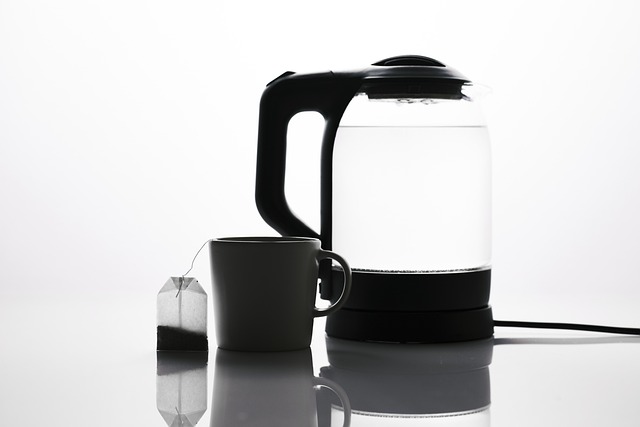
The Advantages of Using Stainless Steel Stovetop Kettles
Why Stainless Steel is the Preferred Material
Stainless steel stovetop kettles have gained popularity due to their numerous benefits and superior functionality. These kettles are crafted entirely from stainless steel, making them a durable and practical choice for boiling water. Here, we explore the advantages of opting for a stainless steel stovetop kettle.
1. Durability and Longevity
One of the most significant advantages of stainless steel stovetop kettles is their durability and longevity. Unlike kettles made from other materials like plastic or glass, stainless steel kettles are resistant to rust, corrosion, and dents. This ensures that your kettle will last for many years, providing you with a reliable and long-lasting addition to your kitchen.
2. Heat Retention
Stainless steel stovetop kettles are excellent at retaining heat. The high-quality stainless steel construction allows for efficient heat distribution, ensuring that the water boils quickly and stays hot for an extended period. This feature makes stainless steel stovetop kettles ideal for both domestic and professional use.
3. Easy Maintenance and Hygiene
Maintaining a stainless steel stovetop kettle is a breeze. The smooth surface of stainless steel is easy to clean and is less likely to retain odors or flavors compared to other materials. Additionally, stainless steel is a hygienic choice since it does not react with water or affect the taste of your hot beverages.
4. Stylish and Versatile
Stainless steel stovetop kettles offer a sleek and modern appearance that can enhance any kitchen decor. With their timeless design and availability in various shapes and sizes, these kettles can complement any kitchen aesthetic. Whether you have a contemporary or traditional kitchen, a stainless steel kettle will blend seamlessly with your style.
5. Environmentally Friendly
Choosing a stainless steel stovetop kettle over electric alternatives can also contribute to a more eco-friendly lifestyle. By using the stove for boiling water instead of relying on electricity, you reduce your carbon footprint and energy consumption, making it a greener choice for your daily hot beverage preparations.
Overall, stainless steel stovetop kettles offer unmatched durability, heat retention, easy maintenance, and a stylish design. Consider investing in a stainless steel kettle to elevate your kitchen experience and enjoy a reliable and efficient way of boiling water.
For more information on stainless steel and its uses, you can visit the Wikipedia page on stainless steel.

The Science Behind Stainless Steel Stovetop Kettles
Introduction
- Stainless steel stovetop kettles provide a modern approach to boiling water.
The Importance of Stainless Steel
- Stainless steel is widely used in the manufacturing of stovetop kettles.
- Its high resistance to corrosion and heat makes it an ideal material for boiling water.
- Stainless steel is non-reactive, ensuring that no unwanted chemicals leach into the water during boiling.
The Role of Heat Conduction
- Stainless steel’s excellent heat conduction properties allow for efficient water boiling.
- The even distribution of heat ensures that water boils quickly and evenly.
Hydrogen Bonding and Boiling
- Hydrogen bonding between water molecules causes the water to boil at 100 degrees Celsius.