

Contents
The Science Behind the Aging Process of Cheese
Cheese is a food product that has been consumed for centuries and appreciated all over the world. The aging process of cheese is what gives it its unique flavor, aroma, and texture. But what exactly happens during this process?
The science behind cheese aging involves a combination of biochemical and microbiological changes that occur over time. First, lactic acid bacteria consume the lactose in milk, producing lactic acid. This acidification lowers the pH of the cheese and creates an environment that is hostile to harmful microbes like pathogenic bacteria.
As the cheese ages, enzymes and microorganisms continue to break down the proteins and lipids in the cheese, producing new compounds that modify the flavor and texture of the cheese. This leads to the development of flavor components like amino acids, fatty acids, and aromatic compounds. The texture of the cheese changes as it becomes firmer, drier, and more brittle.
The aging process of cheese can take anywhere from a few weeks to several years, depending on the type of cheese and the desired flavors and textures. Each variety of cheese has its unique aging process, which contributes to its distinctive flavor and characteristics.
In conclusion, the aging process of cheese involves a complex array of biochemical and microbiological reactions. These changes result in the unique taste, aroma, and texture of cheese that have been appreciated for centuries.
What Happens During Cheese Aging?
Cheesemaking is a complex process that involves a variety of microorganisms such as bacteria, yeasts, and molds. Cheese aging, also known as ripening, is the process where these microorganisms work together to break down and transform the cheese into the product that we all know and love.
Step 1: Proteolysis
One of the first things that occur during cheese aging is proteolysis. It is defined as the breakdown of proteins by enzymes. In cheese, the proteins that are broken down are casein proteins. The enzymes involved in this process are typically produced by bacteria and contribute to the texture and flavor of the cheese.
Step 2: Lipolysis
Lipolysis is the breakdown of fats by enzymes. As the cheese ages, the fats in the cheese begin to break down into fatty acids, which contribute to the flavor and aroma of the cheese. Lipolysis is typically controlled by bacteria that are present in the cheese.
Step 3: Gassification
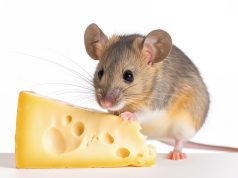
Gassification is the process where carbon dioxide is produced by bacteria that are present in the cheese. The carbon dioxide causes the cheese to develop air pockets and holes, which can contribute to the texture of the cheese.
The Role of Microorganisms in Cheese Aging
As mentioned earlier, the microorganisms present in cheese play a crucial role during the aging process. Bacteria, yeasts, and molds are all key players that contribute to the flavor, aroma, and texture of the cheese.
Bacteria
Bacteria are typically the first microorganisms that are introduced into the cheese during the cheese-making process. They are responsible for various processes such as proteolysis and lipolysis, which contribute to the flavor and texture of the cheese. Lactic acid bacteria are the most common type of bacteria found in cheese and are responsible for producing lactic acid, which contributes to the tangy flavor in many types of cheese.
Yeasts
Yeasts are a type of fungi that are present in many types of cheese, especially those with a rind. They help to break down the cheese’s sugars and produce various flavors and aromas.
Molds
Molds are responsible for the formation of the rind in many types of cheese, such as Brie and Camembert. They also contribute to unique flavors and aromas in blue cheeses like Roquefort and Gorgonzola.
The Relationship Between Aging Time and Cheese Flavor
Aging time plays a crucial role in the flavor profile of cheese. Generally, the longer the cheese is aged, the more complex and intense the flavor becomes. However, the aging time can vary depending on the type of cheese. For example, Parmesan can be aged for up to 36 months, while Mozzarella is usually consumed fresh.
Conclusion
The science behind the aging process of cheese is fascinating and complex, and it all comes down to the microorganisms that are present in the cheese. The breakdown of proteins, fats, and sugars by bacteria, yeasts, and molds results in the unique flavor, aroma, and texture of cheese, making it a beloved and essential ingredient in many cuisines.
If you’re interested in learning more about cheese aging, check out this article from Serious Eats.

The Science Behind the Aging Process of Cheese
What happens during the aging process of cheese?
During the aging process of cheese, enzymes and bacteria break down the proteins, fats, and carbohydrates in the cheese, creating new flavors and textures. This breakdown is called proteolysis, which results in the formation of amino acids and peptides that contribute to the cheese’s flavor. During the aging process, cheese also loses moisture and becomes firmer.
How does temperature affect the aging process of cheese?
Temperature plays a crucial role in the aging process of cheese. It affects the growth and activity of bacteria, yeast, and mold, which are responsible for the cheese’s flavor, texture, and appearance. Cheese needs a specific temperature range to age properly. For example, some cheeses require warmer temperatures to encourage the growth of bacteria, while others need cooler temperatures to limit the growth of mold.
What is the role of bacteria in the aging process of cheese?
Bacteria are vital for the aging process of cheese. They play a significant role in breaking down the proteins and fats in the cheese, which leads to the creation of new flavor compounds. Different types of bacteria are used depending on the type of cheese being made. For example, lactic acid bacteria are used to make cheddar cheese, while Propionic acid bacteria are used to make Swiss cheese.
Why are different cheeses aged for different lengths of time?
Different cheeses are aged for different lengths of time because they are made differently and contain different levels of moisture and fat. Harder cheeses, such as Parmesan, are aged for longer periods of time because their higher fat and lower moisture content allows them to be stored for longer periods without spoiling. Soft cheeses, like Brie, are aged for shorter periods of time since they have a higher moisture content and can spoil quickly. Additionally, the longer a cheese is aged, the stronger and more complex its flavor becomes.

The Amazing Long Tail Keyword for Cheese Lovers
Exploring Different Types and Flavors of Cheeses
If there’s one thing that brings people together, it’s cheese! Whether you’re a casual cheese enthusiast or a full-time cheese connoisseur, the world of cheese has something for everyone, and we’ve got you covered with this guide to discovering new and delicious varieties. So, if you’re ready to go on a flavorful journey, let’s dive in!
Cheese Origins and History
The history of cheese dates back thousands of years, and there are countless types of cheeses all around the world. Originating from various countries such as France, Italy, and Switzerland, each cheese is uniquely crafted with specific ingredients and techniques that make it distinct from others.
Popular Cheeses and Pairings
One of the most popular cheeses in the world is cheddar. Its versatile flavor makes it a great ingredient for cooking, and it pairs perfectly with a variety of other foods. Another favorite of cheese lovers is brie, which has a creamy texture and goes well with fruits, crackers, and bread. Other types of cheese include gouda, blue cheese, goat cheese, and more.
Cheese Festivals Across the World
Cheese festivals are a great way to sample and learn about different types of cheese. Some of the most famous cheese festivals include the Cheese Festival in Quebec, Gruyere Festival in Switzerland, and the American Cheese Society Festival.
Learn more about the world of cheese on Wikipedia

The Science Behind the Aging Process of Cheese
What Happens During Cheese Aging?
- Microorganisms break down lactose and other components
- Bacteria produce lactic acid
- Enzymes break down proteins and fats
- Released gases form pockets and crevices
How Does Aging Affect Cheese Flavor and Texture?
- Aged cheese develops more complex flavor compounds
- Proteins and fats break down, making cheese more crumbly
- Texture may become gritty, grainy, or crystalline
- Acidity changes affect pH and bacteria growth
Factors Affecting Cheese Aging
- Type of milk used
- Type of starter culture used
- Temperature and humidity of cheese cave or storage area
- Length of aging time
Common Types of Aged Cheese
- Cheddar
- Parmesan
- Gouda
- Blue cheese