Contents
The Science Behind the Perfect Pizza Sauce
Creating the perfect pizza sauce is an art that requires a basic understanding of the science behind it. A perfect pizza sauce is the foundation of a mouth-watering pizza that everyone loves. While many people consider pizza sauce as a simple blend of tomatoes, salt, and seasonings, it is much more than that.
Tomatoes: Tomatoes are the main ingredient in pizza sauce. It is crucial to choose ripe, fresh, and high-quality tomatoes for the sauce. The ideal tomato is rich in sugars, carotenoids, and glutamates, which give the sauce a sweet, rich, and savory flavor.
Incorporation of Baking Soda: Adding a pinch of baking soda to pizza sauce can create a smoothening effect while making it less acidic. The alkaline compound of baking soda can neutralize the acid in tomatoes, producing a more balanced and silky texture in the sauce.
Seasonings: Seasonings like basil, oregano, garlic, and onion are widely used in pizza sauce. However, it is essential to use them correctly as overuse can overpower the taste of the sauce. To attain balance, the seasoning should enhance the natural sweetness of the tomatoes and work in harmony with other ingredients.
By understanding the science behind a perfect pizza sauce, you can master the right combination of ingredients, ratios, and cooking techniques to create a delicious and savory pizza that everyone will love.
Have you ever wondered what makes the perfect pizza sauce? It’s not just a matter of slapping some tomato sauce on a dough base and calling it a day. There’s actually some science involved in making a sauce that’s not only flavorful but also has the perfect consistency for your crust.
Here, we’ll dive into the science behind the perfect pizza sauce and share some tips on how to get it just right.
What Makes a Great Pizza Sauce?
A great pizza sauce should complement the flavors of the toppings and crust without overpowering them. It should have a balanced acidity, sweetness, and saltiness.
Acidity
The acidity of the sauce comes from the tomatoes used. Tomatoes are naturally acidic and contain a high amount of citric acid. However, you don’t want your sauce to be too acidic, as it can overpower the other flavors.
Sweetness
The sweetness in pizza sauce comes from adding sugar. The sugar balances out the acidity and enhances the tomato flavor.
Saltiness
Salt is essential in pizza sauce to enhance the flavors and bring out the sweetness of the tomatoes.
Science Behind Pizza Sauce
The science behind pizza sauce is in the ingredients and preparation.
Tomatoes
Tomatoes naturally contain enzymes called pectinases that break down the cell walls, resulting in a sauce with a thinner consistency. However, these enzymes are only active at a specific pH level, which means that the sauce must be cooked at a specific temperature to maintain the desired texture.
Garlic and Basil
Garlic and basil both contain sulfur compounds that activate when they come into contact with heat. These compounds create a savory flavor that complements the tomatoes.
Cook Time
The longer you cook the sauce, the more intense the flavor becomes. However, cooking the sauce for too long can cause the sugars to caramelize, resulting in a burnt flavor.
How to Make the Perfect Pizza Sauce
Now that we’ve covered the science behind pizza sauce, it’s time to make some! Here’s a simple recipe that incorporates all of the elements we’ve discussed:
Ingredients:
- 28-ounce can of crushed tomatoes
- 1 tablespoon olive oil
- 1 teaspoon salt
- 1 teaspoon sugar
- 2 cloves of garlic, minced
- 1 tablespoon fresh basil, chopped
Directions:
- Heat the olive oil in a saucepan over medium heat.
- Add the garlic and sauté for 1-2 minutes until fragrant.
- Add the crushed tomatoes, salt, sugar, and basil, and stir to combine.
- Simmer the sauce for 10-15 minutes, stirring occasionally.
- Allow the sauce to cool before using it on your pizza.
Conclusion
A great pizza sauce is a balance between acidity, sweetness, and saltiness. The science behind pizza sauce lies in the ingredients used and how they’re prepared. Following a few simple tips can lead to the perfect pizza sauce that will elevate your homemade pizza to the next level.
Want to learn more about pizza? Check out Pizza Today for the latest pizza news, recipes and more.

Frequently Asked Questions
What is the science behind the perfect pizza sauce?
The perfect pizza sauce requires a balance of acidity, sweetness, and savory flavors. This balance is achieved by using the right combination of ingredients and cooking them at the right temperature for the right amount of time.
What ingredients are needed for the perfect pizza sauce?
The perfect pizza sauce typically includes canned whole peeled tomatoes, garlic, oregano, salt, and sugar. Fresh basil can also be added for extra flavor.
Why do I need to cook the pizza sauce?
Cooking the pizza sauce allows the flavors to meld together and intensify. It also helps the sauce to thicken and stick to the pizza crust without making it soggy.
What is the ideal cooking temperature for pizza sauce?
The ideal cooking temperature for pizza sauce is medium-low heat. This allows the sauce to cook slowly and evenly without burning or sticking to the pan.

Pizza- The Ultimate Comfort Food
There is no denying that pizza is one of the most popular foods worldwide. Whether you are a fan of the classic Margherita or prefer something with a little more kick like a spicy pepperoni pizza, there is something for everyone when it comes to this Italian delight.
What Makes Pizza So Special?
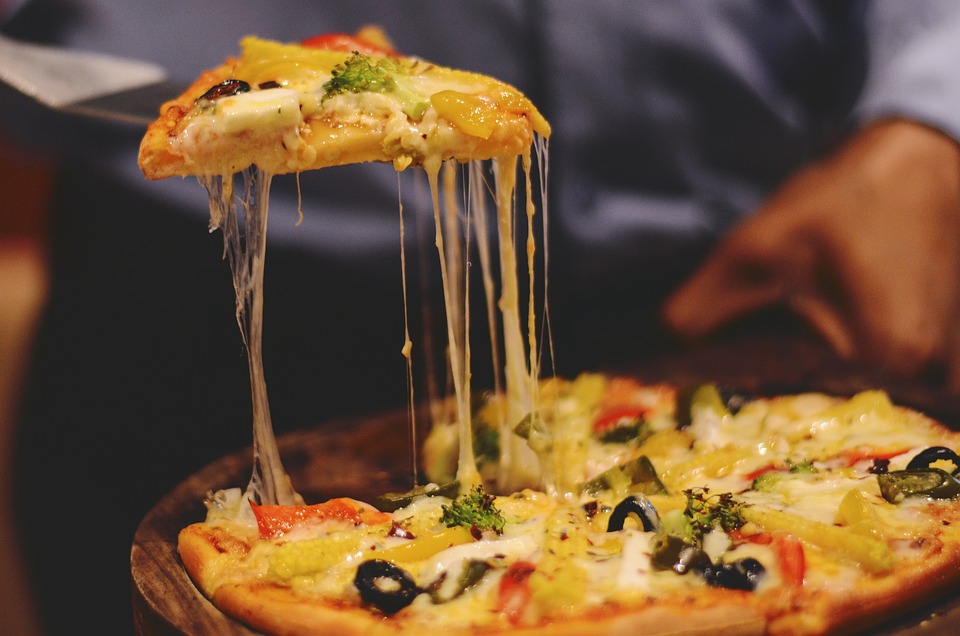
Perhaps it’s the combination of crispy crust, savory sauce, and melted cheese that gives pizza its irresistible charm. Or maybe it’s the endless variety of toppings, from vegetables to meats to even fruits, that allow for customization and individual preference.
Regardless, pizza has become a staple in many cultures and can now be found from street vendors to gourmet restaurants. It is often considered the perfect food for any occasion, whether it’s a late-night snack after a night out or a family dinner on a Friday night.
Pizza Around the World
While pizza may have originated in Italy, it has quickly spread and been adapted to different cultures around the world. In the United States, pizza has become its cuisine, with its unique twists and toppings like Chicago deep-dish or New York-style thin crust. In Japan, unique flavors like teriyaki chicken and seafood are popular while in India, paneer tikka and tandoori chicken have been added to the mix.
Regardless of where you are, there is almost always a pizza place nearby. It’s a comforting, quick, and delicious meal that everyone can enjoy.
If you want to learn more about the history of pizza or explore the different types of pizzas from around the world, check out the Pizza Wikipedia page.

The Science Behind the Perfect Pizza Sauce
Ingredients Used
- Tomatoes
- Garlic
- Olive oil
- Salt and sugar
- Herbs and spices
Tomato Selection
- Roma tomatoes preferred for rich flavor
- Canned San Marzano tomatoes are a good alternative
Cooking Techniques
- Simmer sauce to develop flavors
- Heat garlic in oil before adding tomatoes for enhanced flavor
- Use a blender for a smooth texture
Balancing Flavor
- Adjust salt and sugar to taste
- Add herbs and spices for complexity
- Basil, oregano, and red pepper flakes are popular additions