Contents
The Science Behind Under Sink Filtration Systems and How They Work
Under sink filtration systems are becoming increasingly popular for households concerned about the quality of their tap water. These efficient systems provide a convenient and effective way to remove impurities and potentially harmful substances from your water supply. Understanding the science behind these filtration systems and how they work can help you make an informed decision about implementing them in your home.
Under sink filtration systems utilize a combination of physical and chemical processes to purify water. They typically consist of multiple stages or cartridges, each designed to target specific contaminants.
Physical filtration is the first line of defense in these systems. It involves passing water through a porous material to physically trap larger particles and debris. This process removes sediment, rust, and other visible impurities, improving the water’s appearance and taste.
However, physical filtration alone is not sufficient to eliminate microscopic contaminants such as bacteria, viruses, and chemicals. To address these, under sink filtration systems employ chemical filtration. This stage often includes activated carbon filters, which are highly effective in adsorbing organic compounds, chlorine, and harmful chemicals like pesticides and herbicides commonly found in tap water.
In addition to physical and chemical filtration, advanced under sink systems may feature ion exchange or reverse osmosis processes. Ion exchange resins help remove heavy metals like lead and mercury by replacing them with harmless ions. Reverse osmosis, on the other hand, utilizes a semipermeable membrane to remove even more contaminants, such as dissolved salts and minerals.
Once the water has gone through all the necessary filtration stages, it is stored in a separate tank or delivered directly to a faucet, ready for consumption. The result is clean, great-tasting water that you can trust for drinking, cooking, and other household needs.
Investing in an under sink filtration system offers many benefits. It provides a reliable and convenient solution for purifying your water supply, ensuring the health and well-being of your family. The science behind these systems and the combination of physical and chemical filtration processes make them an effective and efficient choice for improving water quality in your home.

💧 = Use the coupon code SALEG3P800 to save $150 OFF on the 800GPD Tankless RO System with UV Sterilizing Light – Waterdrop G3P800 = 💧
The Science Behind Under Sink Filtration Systems and How They Work
Introduction
Understanding Under Sink Filtration Systems
Key Components of Under Sink Filtration Systems
How Under Sink Filtration Systems Work
The Importance of Under Sink Filtration Systems
Conclusion
Related Post:
**Suggested Relevant Keywords:** under sink filtration systems, filtration technology, water purification, water treatment, drinking water filtration, water contaminants.
💧 = Use the coupon code SALEG3P800 to save $150 OFF on the 800GPD Tankless RO System with UV Sterilizing Light – Waterdrop G3P800 = 💧
Shop now for Waterdrop N1
Frequently Asked Questions
What is the science behind under sink filtration systems?
Under sink filtration systems use various scientific processes to remove contaminants from water. These processes may include filtration, absorption, ion exchange, and catalytic reactions. The specific technology used depends on the type of filtration system.
How do under sink filtration systems work?
Under sink filtration systems are typically installed directly beneath the kitchen sink. They are connected to the water supply line and designed to filter water as it flows through the system. The system consists of different layers or stages that target specific contaminants.
1. Pre-filtration: The first stage usually involves a sediment filter or activated carbon filter that removes larger particles, sediments, and chlorine.
2. Main filtration: The water then passes through a more advanced filter, such as a reverse osmosis membrane or activated carbon block. This stage removes dissolved solids, heavy metals, chemicals, bacteria, and viruses.
3. Post-filtration: Some systems may also have a final filter to enhance taste and remove any remaining impurities.
4. Delivery: The purified water is stored in a separate tank or delivered directly to the faucet through a dedicated line.
What are the advantages of under sink filtration systems?
Under sink filtration systems offer several benefits:
1. Improved water quality: These systems effectively remove contaminants, providing clean and safe drinking water.
2. Convenience: The systems are installed under the sink, which means you have access to filtered water directly from your kitchen faucet.
3. Cost-effective: Under sink filtration systems are generally more cost-effective in the long run compared to buying bottled water or using pitcher filters.
4. Environmentally friendly: By using under sink filtration systems, you reduce plastic waste from bottled water.
5. Versatility: Some under sink filtration systems offer additional features, such as alkaline or ultraviolet filters, to enhance the quality of water further.

Why Choose an Under Sink Filtration System?
An under sink filtration system is a convenient and efficient way to ensure clean and healthy drinking water in your home. This system is installed directly under the sink, allowing you to have filtered water easily accessible for drinking, cooking, and other household needs.
Advantages of Under Sink Filtration Systems:
- Improved Water Quality: Under sink filtration systems remove impurities, such as sediment, chlorine, lead, and other contaminants commonly found in tap water. This ensures that you have access to clean and healthy drinking water.
- Convenience: Once installed, under sink filtration systems provide a continuous supply of filtered water at your fingertips. You no longer need to rely on buying bottled water or using pitchers with limited capacity.
- Space-Saving: Unlike larger whole-house filtration systems, under sink systems are compact and do not require additional space in your kitchen or bathroom. They are installed discreetly under the sink, making them ideal for smaller spaces.
- Cost-Effective: Investing in an under sink filtration system eliminates the need for buying bottled water, saving you money in the long run. Additionally, the replacement filters for these systems are typically affordable and last for several months before needing to be changed.
If you want to learn more about the benefits of filtration systems, you can visit the Wikipedia page on water filters.
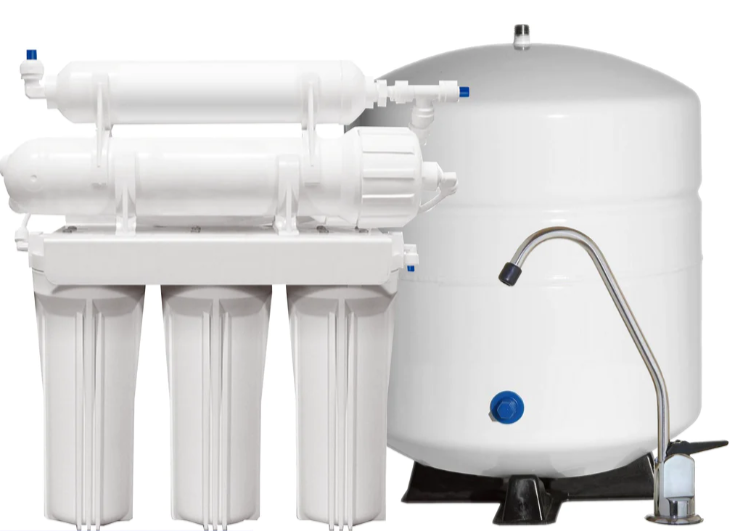
The Science Behind Under Sink Filtration Systems
How They Work
- Under sink filtration systems utilize various techniques to purify water.
- These systems typically consist of multiple filtration stages.
- First, water passes through a sediment filter to remove large particles.
- A carbon filter is then used to remove chlorine, chemicals, and odors.
- Next, water is forced through a semi-permeable membrane to remove small particles and impurities.
- Some systems also utilize an activated carbon filter to further enhance water taste and odor.
- The final stage may involve the use of a UV light or disinfection technique to kill bacteria and pathogens.
- Under sink filtration systems provide a continuous supply of purified water on tap.
- They are typically installed under the kitchen sink and require professional installation.
- Regular maintenance, such as replacing filters, is necessary to ensure optimum performance.
- These systems are highly effective in providing clean and safe drinking water at home.
💧 = Use the coupon code SALEG3P800 to save $150 OFF on the 800GPD Tankless RO System with UV Sterilizing Light – Waterdrop G3P800 = 💧
Category – Reverse osmosis and filters