Contents
The Ultimate Guide to Choosing and Using a Glass Kettle on Your Stove
Glass kettles are becoming increasingly popular due to their aesthetic appeal and practicality. If you are considering getting a glass kettle for your stove, this guide will provide you with valuable information to help you make the right choice and use it effectively.
Why Choose a Glass Kettle?
Glass kettles offer several advantages over traditional metal or plastic kettles. Firstly, their transparent nature allows you to easily monitor the boiling process, ensuring that you have the perfect temperature for your hot beverages. Secondly, glass kettles are usually made from borosilicate glass, which is resistant to heat and thermal shock. This means that they can withstand high temperatures without breaking, making them safe for stove-top use.
Factors to Consider When Choosing a Glass Kettle
When selecting a glass kettle for your stove, there are some important factors to consider:
- Capacity: Determine the quantity of water you need to boil regularly and choose a kettle with an appropriate capacity.
- Design: Consider the aesthetics of the kettle and choose a design that complements your kitchen decor.
- Handle: Ensure that the handle is ergonomic and heat-resistant for comfortable and safe handling.
- Spout: Look for a kettle with a well-designed spout that allows for easy pouring without drips or leaks.
- Base: Check if the kettle has a solid and stable base for even heat distribution.
Using a Glass Kettle on Your Stove
To ensure proper use and longevity of your glass kettle on a stove, follow these guidelines:
- Fill the kettle with water up to the desired level.
- Place the kettle on the stove’s burner with the spout facing away from you for safety.
- Turn on the stove and gradually increase the heat to avoid sudden temperature changes.
- Monitor the boiling process through the transparent glass.
- Once the water reaches the desired temperature, carefully grasp the heat-resistant handle and pour the hot water.
- After use, allow the kettle to cool down before cleaning and storing it.
By following these steps, you can make the most of your glass kettle and enjoy delicious hot beverages anytime.
The Ultimate Guide to Choosing and Using a Glass Kettle on Your Stove
Introduction
[Insert introduction here.]
1. Understanding Glass Kettles
[Content for section 1.]
2. Factors to Consider When Choosing a Glass Kettle
[Content for section 2.]
3. Using a Glass Kettle on Your Stove
[Content for section 3.]
4. Maintenance and Safety Tips
[Content for section 4.]
Conclusion
[Insert conclusion here.]
References

Frequently Asked Questions – The Ultimate Guide to Choosing and Using a Glass Kettle on Your Stove
1. Can glass kettles be used on a stove?
Yes, glass kettles can be used on stove tops. However, it is important to ensure that the kettle is specifically designed for stovetop use. Not all glass kettles are suitable for direct heat, so make sure to check the manufacturer’s instructions.
2. What are the advantages of using a glass kettle on a stove?
Using a glass kettle on the stove offers several benefits. Firstly, it allows you to visually monitor the water while it heats up, which can be helpful for brewing teas or coffee. Glass kettles also do not impart any metallic or plastic taste to the water, ensuring a clean and pure taste. Additionally, glass kettles are easy to clean and maintain.
3. Are glass kettles safe to use on gas stoves?
Yes, glass kettles can be safely used on gas stoves. However, it is necessary to take precautions to prevent direct contact between the glass and the open flame. Using a low heat setting and centering the kettle on the burner can help distribute the heat evenly and minimize the risk of damage.
4. Can I use a glass kettle on an induction cooktop?
No, most glass kettles are not compatible with induction cooktops as they don’t have a magnetic base required for induction heating. To use a glass kettle, you will need a heat source that generates direct heat, such as a gas or electric stove.
5. How do I clean a glass kettle?
Cleaning a glass kettle is relatively simple. You can wash the kettle by hand using warm water and mild dish soap. Avoid harsh scrubbing brushes or abrasive cleaners that may scratch the glass. For stubborn stains or mineral deposits, a mixture of vinegar and water can be used. Simply fill the kettle with the mixture and let it sit for a few hours before rinsing thoroughly.
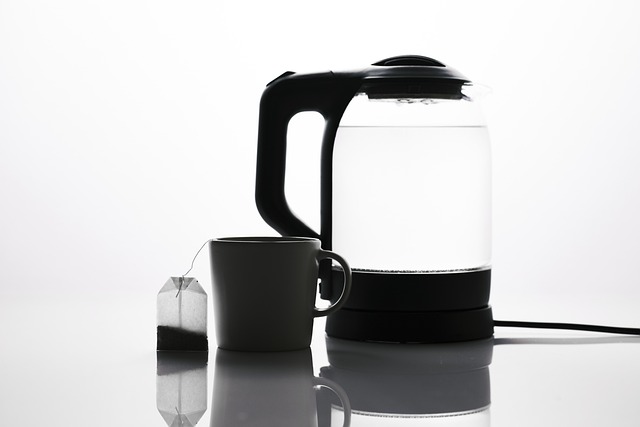
Glass Kettle on Stove: A Convenient and Stylish Choice

Why Choose a Glass Kettle on Stove?
Glass kettles have become increasingly popular in modern kitchens due to their sleek design and practicality. A glass kettle on the stove brings an element of elegance and transparency to your kitchen countertop. As you boil water for tea or any hot beverage, you can watch it bubble and steam through the clear glass, creating a mesmerizing visual experience.
The Advantages of Glass Kettles
Glass kettles offer several advantages over their metal or plastic counterparts:
- Pure Taste: Glass is non-reactive, meaning it won’t absorb any flavors or odors from the water you heat. This ensures a clean and pure taste in your beverages.
- Easy to Clean: Glass kettles are easy to clean as they don’t retain stains or buildup. Simply wipe the glass surface with a damp cloth or use a gentle cleanser if needed.
- Durability: Contrary to popular belief, glass kettles are designed to withstand high temperatures on the stove. However, be cautious and avoid exposing them to extreme temperature changes to prevent cracking.
- Stylish Design: Glass kettles often feature contemporary designs and come in various shapes and sizes, allowing you to choose a style that complements your kitchen decor.
Important Safety Measures
While glass kettles offer a fantastic user experience, it’s essential to handle them with care:
- Always ensure that the kettle is placed on the stove properly and has a stable base.
- Use oven mitts or a heat-resistant grip when handling the hot glass kettle.
- Avoid filling the kettle beyond its maximum capacity to prevent boiling water from spilling out.
- When you remove the kettle from the stove, allow it to cool down before pouring the hot water.
For more information about glass kettles, you can visit the Glass Kettle Wikipedia page.

Introduction
-
Why Choose a Glass Kettle?
-
Types of Glass Kettles
What to Consider When Choosing a Glass Kettle
-
Capacity
-
Stove Compatibility
-
Boil Time
-
Heat Resistance
-
Design and Aesthetics
Using Your Glass Kettle on the Stove
-
Preparing the Kettle
-
Filling the Kettle
-
Placing the Kettle on the Stove
-
Boiling the Water
-
Removing and Pouring
Cleaning and Maintenance
-
Regular Cleaning
-
Removing Scale and Stains
-
Maintenance Tips
Tips and Safety Precautions
-
Use Caution When Handling Hot Glass
-
Avoid Rapid Temperature Changes
-
Never Heat an Empty Kettle
-
Keep the Kettle Clean
-
Regularly Check for Cracks or Damages