Contents
The Ultimate Guide to Keeping Your Stainless Steel Kettle Rust-Free
If you own a stainless steel kettle, it is essential to know how to keep it rust-free. A rusted kettle not only looks unappealing but also poses a risk to your health as rust can contaminate the water. In this ultimate guide, we will share some tips and tricks for maintaining a rust-free stainless steel kettle.
From cleaning to storage, we will cover all the essential aspects to ensure that your kettle remains in top condition for years to come. Follow our guide, and you will not have to worry about rust affecting your kettle or the quality of your hot beverages.
Introduction
A stainless steel kettle is a great addition to any kitchen. It is durable, looks great, and can last for many years. But like any other metal, it can rust if not properly taken care of. Rust not only looks unsightly, but it can also affect the taste of your tea or coffee. Therefore, it is important to keep your stainless steel kettle rust-free. In this guide, we will provide you with everything you need to know to keep your stainless steel kettle in top condition.
Why Does Stainless Steel Rust?
Stainless steel is an alloy of iron, chromium, and nickel. Chromium is what gives stainless steel its property of being rust-resistant. However, if the surface of the stainless steel is damaged or scratched, the protective layer of chromium is also damaged, and the iron in the stainless steel can start to rust. Therefore, to keep your stainless steel kettle rust-free, you need to be very careful when cleaning and handling it.
How to Clean Your Stainless Steel Kettle
Step 1: Empty the Kettle
The first step to cleaning your stainless steel kettle is to empty it of any liquid inside. If you are cleaning the kettle for the first time, you can fill it with water and bring it to a boil to remove any manufacturing residue that might be present.
Step 2: Wash the Kettle
Wash the kettle thoroughly with warm water and a little bit of dish soap. You can use a soft sponge or cloth to wash the inside and outside of the kettle. Do not use abrasive cleaners or scrubbers as they can scratch the surface of the stainless steel and damage the protective layer of chromium, leading to rust.
Step 3: Rinse the Kettle
Rinse the kettle thoroughly with clean water to remove any soap residue. Make sure you rinse all the soap off the kettle, as soap residue can also cause rust to form on the surface of the steel.
Step 4: Dry the Kettle
Dry the kettle with a soft cloth or paper towel. Make sure you dry the kettle thoroughly, including the lid and spout. Do not leave any water droplets on the surface of the stainless steel as it can cause rust to form.
How to Remove Rust from Your Stainless Steel Kettle
If you notice any rust on the surface of your stainless steel kettle, you can remove it by following these steps:
Step 1: Fill the Kettle with Water
Fill the kettle with water and add two tablespoons of baking soda. Bring the water to a boil and let it simmer for 15 minutes. Baking soda is a natural cleaner that can help remove rust stains.
Step 2: Scrub the Kettle
After 15 minutes, turn off the heat and let the water cool down. Use a soft sponge or cloth to scrub off the rust stains. Make sure you scrub gently to avoid damaging the surface of the stainless steel. Rinse the kettle thoroughly with clean water and dry it with a soft cloth or paper towel.
Step 3: Use a Stainless Steel Cleaner
If the baking soda and water method does not work, you can use a stainless steel cleaner. Apply the cleaner to a soft cloth and use it to scrub the rust stain. Make sure you read the instructions on the cleaner carefully before using it. Rinse the kettle thoroughly with clean water and dry it with a soft cloth or paper towel.
Tips for Keeping Your Stainless Steel Kettle Rust-Free
Here are some tips to help you keep your stainless steel kettle rust-free:
- Do not use abrasive cleaners or scrubbers
- Do not use bleach or chlorine products
- Do not leave water in the kettle for extended periods of time
- Do not leave the kettle wet after cleaning
- Do not stack other items on top of the kettle
Conclusion
A stainless steel kettle is a great investment for any kitchen. By following these tips, you can keep your stainless steel kettle looking great and rust-free for many years. Remember to be careful when cleaning and handling your stainless steel kettle to avoid damaging the protective layer of chromium. If you do notice any rust stains on the surface of your kettle, be sure to remove them as soon as possible to prevent further damage.
References
Cleanipedia: How to Clean a Stainless Steel Kettle
The Spruce Eats: How to Clean a Stainless Steel Kettle

Frequently Asked Questions
What can cause rust on my stainless steel kettle?
Rust can occur on stainless steel when it comes into contact with other metals, such as iron or steel. Exposure to salt or moisture can accelerate the process.
How can I prevent rust from forming on my stainless steel kettle?
One of the simplest ways to prevent rust is to keep your kettle dry after each use. Avoid leaving water in the kettle for prolonged periods of time. Use a soft cloth to dry the kettle thoroughly.
Avoid using harsh chemicals or abrasive cleaners on your kettle as this can cause scratches that can lead to rust. If you do need to clean your kettle, use a mild soap and warm water.
If you live in a humid environment, consider investing in a dehumidifier or storing your kettle in a dry place.
Can I use vinegar to remove rust from my stainless steel kettle?
Vinegar can help remove rust from stainless steel, but it’s important to use it in moderation. Mix equal parts vinegar and water and apply the mixture to the affected area. Let it sit for a few minutes, then wipe away with a soft cloth.
Do not leave the vinegar mixture on your kettle for too long as it can damage the stainless steel.
Is it safe to use a rusted kettle?
No, it’s not safe to use a rusty kettle as it can contaminate the water and lead to health issues. If you notice rust on your kettle, it’s best to replace it.
How often should I clean my stainless steel kettle?
You should clean your kettle after each use and dry it thoroughly. It’s a good idea to deep clean your kettle once a month to prevent any buildup of mineral deposits or bacteria.
What are some tips for maintaining my stainless steel kettle?
- Keep your kettle dry after each use.
- Store your kettle in a dry place.
- Avoid using harsh chemicals or abrasive cleaners.
- Clean your kettle regularly.
- Consider investing in a water filter to reduce mineral buildup.
- Read the manufacturer’s instructions and follow their cleaning and maintenance guidelines.
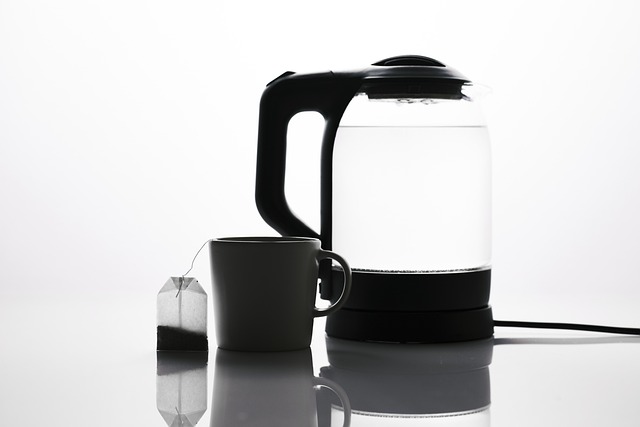
What is Stainless Steel and How Does it Work?
Stainless steel is a type of steel that contains chromium, which forms an invisible layer of protection against rust and corrosion. When exposed to moisture or air, this layer reacts with oxygen to form a tight, protective film that prevents further corrosion of the metal. However, if the surface of the stainless steel is damaged or scratched, this protective layer can become compromised, leading to rust and corrosion.
Can Stainless Steel Kettle Rust?
Yes, stainless steel kettles can rust if they are not properly cared for. Over time, exposure to hard water, heat, and other factors can cause the protective layer on the stainless steel to break down, leaving the metal underneath vulnerable to rust and corrosion.
How to Prevent Rusting of Stainless Steel Kettles
To prevent your stainless steel kettle from rusting, you should follow some basic maintenance tips. First of all, always clean your kettle after each use with warm water and mild soap. Avoid using harsh chemicals or abrasive sponges that can scratch the surface of the metal.
Additionally, if you live in an area with hard water, you may want to use a water softener or filter to reduce the mineral content of the water. Hard water can leave mineral deposits on the surface of the kettle, which can corrode the metal over time.
Finally, try to avoid exposing your stainless steel kettle to extreme temperatures or harsh environmental conditions. Always store your kettle in a dry, cool place to prevent rust from forming.
If you want to know more about the chemistry and properties of stainless steel, you can check out the relevant Wikipedia page here: Stainless Steel – Wikipedia

The Ultimate Guide to Keeping Your Stainless Steel Kettle Rust-Free
Introduction
- Stainless steel kettles are popular for their durability and stylish look.
- However, they are not completely immune to rust formation if not properly maintained.
- Fortunately, keeping your stainless steel kettle rust-free is simple with these tips.
Tips for Preventing Rust
- Choose high-quality stainless steel to minimize the risk of rust formation.
- Avoid using abrasive cleaning methods that can scratch the surface of the kettle.
- Regularly clean your kettle with a mild detergent and warm water to remove any buildup.
- Dry your kettle thoroughly after each use to prevent moisture from accumulating and causing rust.
- Avoid leaving water in the kettle for extended periods of time.
How to Remove Rust from Your Kettle
- If you notice rust forming on your kettle, it’s important to remove it promptly to prevent further damage.
- You can use a mixture of baking soda and water or vinegar and water to clean rust stains.
- Gently scrub the affected area with a soft-bristled brush or sponge.
- Rinse the kettle thoroughly with water and dry it completely.
Conclusion
- By following these tips, you can keep your stainless steel kettle looking great and rust-free for years to come.
- Regular maintenance and prompt attention to rust stains can help you extend the life of your kettle and ensure that it continues to function properly.