Contents
The Ultimate Guide to Preventing Rust in Stainless Steel Kettles
The Ultimate Guide to Preventing Rust in Stainless Steel Kettles
Table of Contents
1. Understanding Rust Formation
Rust is a common problem that occurs in stainless steel kettles when the protective layer on the surface, known as
chromium oxide, gets damaged or depleted. This can happen due to factors like exposure to moisture, chemicals, or
improper cleaning methods. Understanding how rust forms will help you prevent it effectively.
2. Cleaning and Maintenance
Regular cleaning and maintenance are essential to prevent rust in stainless steel kettles. Here are some tips to
keep them in top shape:
- After each use, wash your kettle with warm water and a gentle dish soap.
- Avoid using abrasive materials or harsh chemicals that can damage the protective layer.
- Dry the kettle thoroughly before storing it to prevent moisture buildup.
- Remove mineral deposits by soaking the kettle in a mixture of vinegar and water, then scrub gently with a soft
brush.
3. Avoiding Harmful Substances
Certain substances can accelerate the rusting process in stainless steel kettles. To prevent this, avoid the
following:
- Leaving acidic or salty liquids in the kettle for extended periods.
- Using bleach or ammonia-based cleaners, as they can degrade the protective layer.
- Storing the kettle near chemicals like chlorine or fertilizers.
4. Proper Storage
How you store your stainless steel kettle can also impact its susceptibility to rust. Follow these guidelines for
proper storage:
- Ensure the kettle is completely dry before storing it.
- Store the kettle in a cool, dry place away from sources of humidity.
- Consider using a kettle cover or cloth bag to protect it from dust and moisture.
- If you won’t be using the kettle for an extended period, apply a thin layer of food-grade oil to the surface to
provide extra protection against rust.
By following these preventive measures, you can significantly extend the lifespan of your stainless steel kettle
while keeping it rust-free. Remember, regular cleaning, avoiding harmful substances, and proper storage are the
keys to maintaining your kettle’s pristine condition for years to come.
For further information on stainless steel kettle care, you may visit examplesite.com.

Frequently Asked Questions
Q: Why is rust a common issue in stainless steel kettles?
A: Although stainless steel is resistant to rust, it can still suffer from rusting if not properly maintained or if exposed to certain conditions. Factors like exposure to chlorinated water, high humidity, and harsh cleaning agents can contribute to rust formation.
Q: How can I prevent rust from forming in my stainless steel kettle?
A: There are several steps you can take to prevent rust in your stainless steel kettle:
- Regularly clean and dry your kettle after each use.
- Avoid using abrasive cleaning agents or scrubbing pads that can damage the protective layer of the stainless steel.
- Consider using filtered or distilled water instead of tap water, especially if your tap water has high mineral content.
- Avoid leaving water or liquid in the kettle for extended periods of time.
- Store your kettle in a dry and well-ventilated area to minimize exposure to moisture and humidity.
Q: Can I remove rust from a stainless steel kettle?
A: Yes, you can remove rust from a stainless steel kettle using various methods. Some common methods include scrubbing the rusted area with a paste made from baking soda and water, using lemon juice or vinegar to dissolve the rust, or using a rust remover specifically designed for stainless steel.
Q: How often should I clean my stainless steel kettle?
A: It is recommended to clean your stainless steel kettle after each use to prevent the build-up of mineral deposits and potential rust formation. Regular cleaning will help maintain the kettle’s appearance and prolong its lifespan.
Q: Can I use a dishwasher to clean my stainless steel kettle?
A: It is generally not recommended to clean a stainless steel kettle in a dishwasher. The harsh detergents and high temperatures in dishwashers can damage the protective layer of the stainless steel and promote rust formation. It is best to hand wash your kettle using mild detergent and warm water.
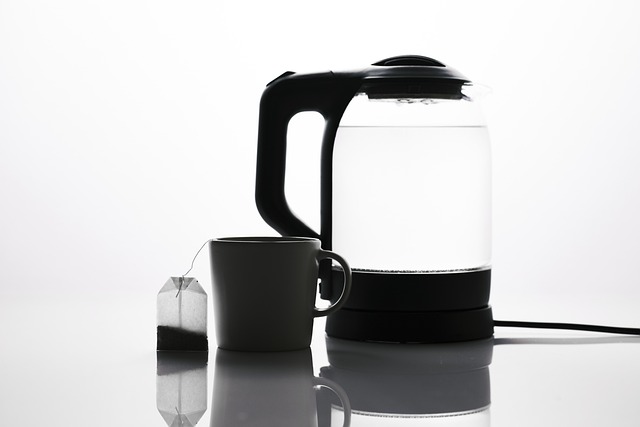
Tips to Prevent Rusting of Stainless Steel Kettles
Regular Cleaning
Keeping your stainless steel kettle clean is crucial to prevent rusting. After every use, make sure to wash it thoroughly with warm soapy water. Rinse it well and dry it completely to avoid any moisture that may lead to rust formation.
Drying after Use
Before storing your stainless steel kettle, ensure it is completely dry. Leaving water droplets or moisture inside the kettle can accelerate rusting. After washing, use a clean cloth or towel to wipe the kettle’s interior and exterior surfaces properly.
Avoid Using Abrasive Cleaners
When cleaning your stainless steel kettle, steer clear from using abrasive cleaners, harsh chemicals, or scrubbing pads. These may cause scratches, which can be potential areas for rust to develop. Opt for gentle cleansers and soft sponges to maintain the kettle’s surface intact.
Do Not Store Water Inside
While it may seem convenient to leave water in your kettle for immediate use, it’s advisable to empty it after each use. Storing water for extended periods can invite rust formation, especially if the kettle sits unused for a few days.
Keep Away from High Humidity
Moisture in the air, particularly in high humidity environments, can contribute to rusting. Try to store your stainless steel kettle in a dry area with adequate ventilation. Avoid keeping it near a sink or in a damp cupboard to safeguard it from unnecessary exposure to moisture.
Apply Stainless Steel Polish
To add an extra layer of protection against rust, consider using a stainless steel polish. This can help create a barrier that shields the kettle from moisture and oxidation. Follow the manufacturer’s instructions for applying the polish and enjoy increased rust resistance.
By implementing these preventive measures, you can significantly reduce the chances of your stainless steel kettle rusting and extend its lifespan.
For more information on stainless steel and its properties, visit the Wikipedia page on stainless steel.

Summary:
-
Introduction
– Understanding the importance of preventing rust in stainless steel kettles
-
Cleaning and Drying
– Proper maintenance techniques for cleaning and drying your kettle
-
Avoiding Abrasive Materials
– Recommending gentle cleaning materials to prevent scratching the surface
-
Regular Inspections
– Encouraging periodic checks for signs of rust or damage
-
Moisture Control
– Tips on minimizing moisture exposure to avoid rust formation
-
Storing Correctly
– Advising on proper storage methods to prevent rust and maintain kettle quality
-
Using Descalers Wisely
– Providing guidance on selecting and using descaling agents
-
Bonus Tips
– Additional suggestions to further protect your stainless steel kettle from rust