Contents
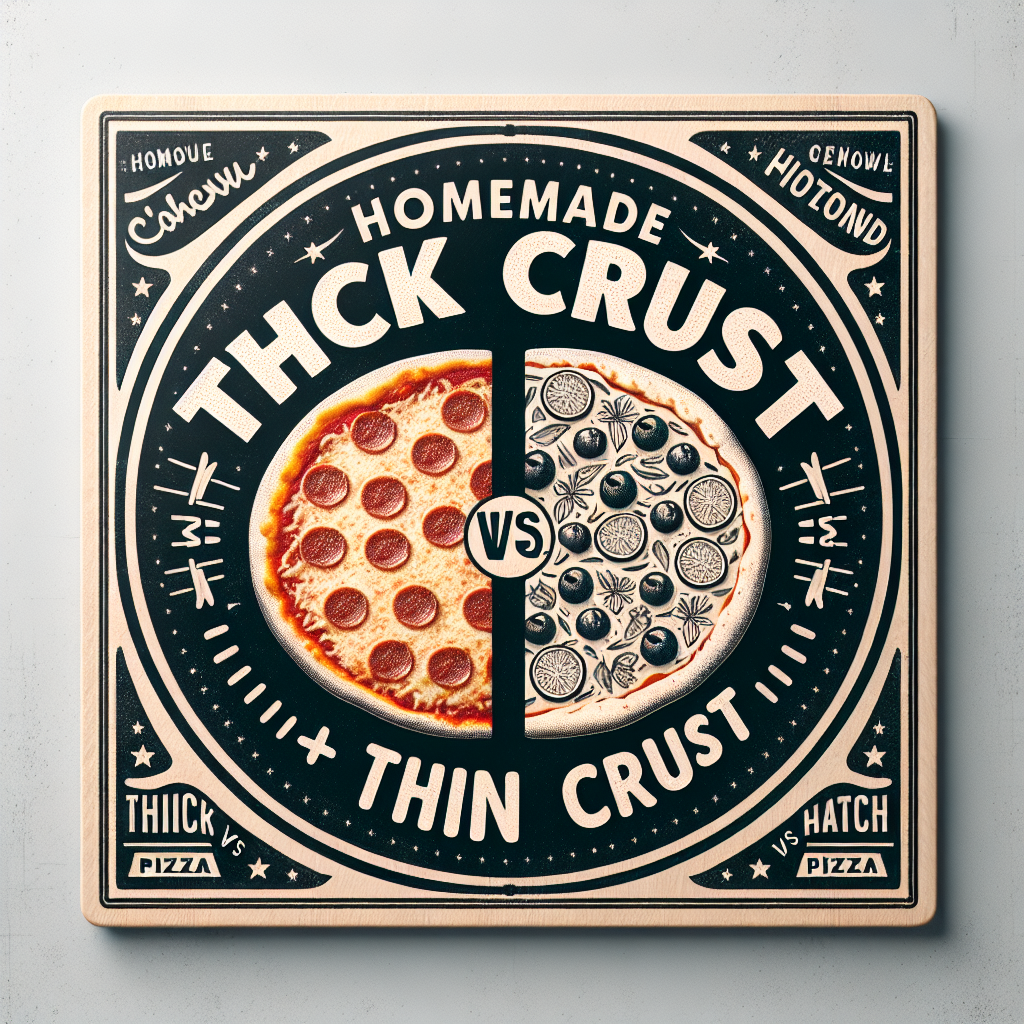
Thick Crust vs. Thin Crust: A Homemade Pizza Showdown
When it comes to homemade pizza, one of the biggest debates is whether to go for a thick crust or a thin crust. Each type of crust has its own unique characteristics, and both have their loyal fans. Let’s take a closer look at the differences between thick crust and thin crust pizzas, and see which one comes out on top in this ultimate showdown!
Thick Crust Pizza
Thick crust pizza is known for its hearty and filling base. It is often chewy, doughy, and can hold a generous amount of toppings. The crust is typically made with more yeast, resulting in a fluffy and bread-like texture. Thick crust pizzas are perfect for those who enjoy a more substantial meal and love the taste of freshly baked bread.
Thin Crust Pizza
Thin crust pizza, on the other hand, is all about the crispy and crunchy base. It is rolled out thinly and baked until it becomes golden brown and crisp. Thin crust pizzas are lighter and more delicate than their thick crust counterparts, allowing the toppings to shine through. They are a favorite among those who prefer a pizza that is less heavy and more focused on the flavors of the toppings.
Whether you prefer the chewy goodness of a thick crust pizza or the crispy perfection of a thin crust pizza, there is no denying that both have their own delicious appeal. The next time you’re in the mood for homemade pizza, consider trying out both types of crusts and see which one wins you over in the end!
The Great Pizza Debate: Thick Crust vs. Thin Crust
There’s nothing quite like a homemade pizza. Whether you prefer a thick, doughy crust or a thin, crispy one, everyone has their own preferences when it comes to pizza crust. In this blog post, we will dive deep into the battle of thick crust vs. thin crust and explore the pros and cons of each.
Thick Crust
Thick crust pizza is known for its pillowy softness and hearty base. It’s perfect for those who love a generous amount of toppings and enjoy a chewy texture. One of the main advantages of a thick crust is its ability to hold up well to heavy toppings without becoming soggy. This makes it a great option for loaded pizzas with lots of ingredients.
However, some may find thick crust pizza to be too filling or heavy, especially if they prefer a lighter meal. Additionally, thick crust pizzas can take longer to cook and may require a longer baking time compared to thin crust pizzas.
Thin Crust
Thin crust pizza, on the other hand, is beloved for its crispy texture and lightness. It allows the flavors of the toppings to shine through and provides a contrast in texture to the pizza toppings. Thin crust pizzas are often cooked at high temperatures, resulting in a quick cooking time and a perfectly crispy crust.
One drawback of thin crust pizza is its tendency to become soggy when loaded with too many toppings or too much sauce. This can make it challenging to enjoy a fully loaded pizza without the risk of a soggy crust. Additionally, some may find thin crust pizzas to be lacking in the doughy, chewy texture that thick crust pizzas offer.
Whether you prefer thick crust or thin crust pizza, there’s no denying that both have their own unique appeal. Ultimately, the choice comes down to personal preference and what you value most in a pizza crust.
For more information on homemade pizza recipes and tips, check out Food Network’s 50 Homemade Pizzas.

Frequently Asked Questions
What is the difference between thick crust and thin crust pizza?
Thick crust pizza has a doughy and chewy base, while thin crust pizza has a crispy and crunchy base. The thickness of the crust can vary depending on the recipe and baking technique.
Which type of crust is better for homemade pizza?
It ultimately comes down to personal preference. Some people prefer the hearty and filling nature of thick crust pizza, while others enjoy the lighter and crispier texture of thin crust pizza. Experiment with both styles to see which one you prefer!
Can I make both thick and thin crust pizza at home?
Yes, you can definitely make both types of crust at home! There are many recipes and techniques available online that can help you achieve the perfect thick or thin crust pizza. It may take some practice to get it just right, but the results are definitely worth it.

Differences between Thick Crust and Thin Crust Pizza for Home Baking
When it comes to making pizza at home, one of the key decisions you’ll have to make is whether to go for a thick crust or a thin crust. Both options have their own unique characteristics and appeal to different preferences. Let’s explore the differences between the two:
Thick Crust Pizza
Thick crust pizza is known for its fluffy, doughy base that provides a substantial bite and chew. The crust is typically higher in yeast content, resulting in a rise that creates a thick, airy texture. This type of pizza is great for those who love a hearty meal and enjoy the satisfaction of sinking their teeth into a substantial slice.
Thin Crust Pizza
On the other hand, thin crust pizza offers a more delicate and crispy base that allows the toppings to take center stage. The crust is rolled out thinly and baked to perfection, resulting in a light and crunchy texture. Thin crust pizza is favored by those who prefer a lighter meal and enjoy the contrast of crispy crust with flavorful toppings.
Ultimately, the choice between thick crust and thin crust pizza comes down to personal preference. Some may prefer the robustness of a thick crust, while others may opt for the lightness of a thin crust. Whichever option you choose, home baking allows you to customize your pizza to suit your taste.
For more information on pizza crusts, you can visit Wikipedia.

Thick Crust vs. Thin Crust: A Homemade Pizza Showdown
Thick Crust:
- More doughy and chewy
- Great for holding heavier toppings
- Satisfying for those who love bread
Thin Crust:
- Crunchy and light texture
- Allows toppings to shine
- Perfect for those who prefer less bread