Contents
To Whistle or Not to Whistle: The Tradition of Cast Iron Tea Kettles
Casting iron has been a tradition for centuries, and one of the most popular and charming uses of this material is in the crafting of tea kettles. Cast iron tea kettles have been used for centuries in Japan due to their durability and unique capacity to enhance the flavors of tea.
One of the key features that make cast iron tea kettles unique is their ability to whistle. The whistle is produced by steam escaping through the spout, signaling that the water has boiled and the tea is ready to be brewed. Not all tea kettles have whistles, but the whistling feature has become a popular tradition associated with cast iron tea kettles.
Cast iron tea kettles also have a certain aesthetic appeal. They are often intricately designed and decorated, making them as much a decorative piece as a functional one. They are available in a range of shapes, sizes, and colors to suit every type of tea lover.
Despite the introduction of newer, more modern kitchen appliances, cast iron tea kettles continue to be popular with tea enthusiasts. They are durable, long-lasting, and can even become family heirlooms passed down from generation to generation.
Whether you prefer a whistling or a non-whistling cast iron tea kettle, there is no denying the charm and appeal of this traditional kitchen essential. A cast iron tea kettle is not only a functional item but a beautiful addition to any kitchen.
Introduction
Cast iron tea kettles have been a part of tea culture for centuries, and the tradition of whistling when the water is boiling has been passed down through generations. However, there are differing opinions on whether or not to whistle when using a cast iron tea kettle.
What is a Cast Iron Tea Kettle?
First, let’s define what a cast iron tea kettle is. Cast iron tea kettles are traditional Japanese teapots known as Tetsubin. These teapots are traditionally made of iron and are used for boiling water for tea. They are typically ornately designed and are often considered pieces of art in addition to functional tea kettles.
Why Use a Cast Iron Tea Kettle?
Cast iron tea kettles have several benefits that make them desirable for tea lovers. First, they are incredibly durable and can last for generations. They are also excellent at retaining heat, which is essential for brewing the perfect cup of tea. Cast iron tea kettles can also add a unique flavor to the tea, as the iron ions can enhance the taste and add a subtle sweetness. Finally, cast iron tea kettles can also serve as an aesthetically pleasing centerpiece for any tea-serving occasion.
To Whistle or Not to Whistle?
The tradition of whistling when using a cast iron tea kettle is a long-standing one, and many tea kettle enthusiasts believe that it is necessary. However, there are differing opinions on whether or not to whistle. Some believe that the whistle can damage the pot, while others believe that it adds to the charm and authenticity of using a cast iron tea kettle.
If you choose to whistle, it’s important to note that not all cast iron tea kettles come with a whistle. Some kettles have a small hole in the lid that serves the same purpose, and others may not have any kind of alert system for when the water is boiling.
Caring for Your Cast Iron Tea Kettle
If you do decide to use a cast iron tea kettle, proper care is essential. These kettles require seasoning and should never be washed with soap. Instead, use warm water and a soft cloth to clean the kettle after each use. You should also avoid letting the kettle sit with water in it for long periods, as this can damage the iron and cause rust.
Conclusion
The tradition of using cast iron tea kettles is a longstanding one, and whether or not to whistle is a personal choice. However, no matter what you decide, proper care for your kettle is essential for maintaining its beauty and functionality for years to come.
Source: The Spruce Eats

FAQs About To Whistle or Not to Whistle: The Tradition of Cast Iron Tea Kettles
What is a cast iron tea kettle?
A cast iron tea kettle is a kettle made of solid cast iron that is used to steep and serve tea. The material is known for its durability and even heat distribution, making it a popular choice for tea enthusiasts.
What is the tradition of cast iron tea kettles?
The tradition of using cast iron tea kettles dates back to ancient China, where it was believed that the iron from the kettle could be absorbed by the tea, providing health benefits. Over time, the practice spread to Japan and other parts of the world, with the cast iron tea kettle becoming a symbol of hospitality and warmth.
Should I whistle or not whistle my cast iron tea kettle?
Whether or not to whistle your cast iron tea kettle is a matter of personal preference. Some people enjoy the sound of the whistle, which signals that the water is boiling and the tea is ready to be brewed. Others prefer to remove the whistle, as it can be loud and disruptive. Ultimately, it’s up to you to decide what works best for you.
How do I care for my cast iron tea kettle?
To care for your cast iron tea kettle, it’s important to keep it clean and dry after each use. Avoid using soap, as it can strip the seasoning from the kettle, causing it to rust. Instead, rinse the kettle with hot water and dry it thoroughly. To help prevent rust, you can also coat the inside of the kettle with a thin layer of oil after each use.
Do Cast Iron Tea Kettles Whistle? A Comprehensive Guide
What is a Cast Iron Tea Kettle?
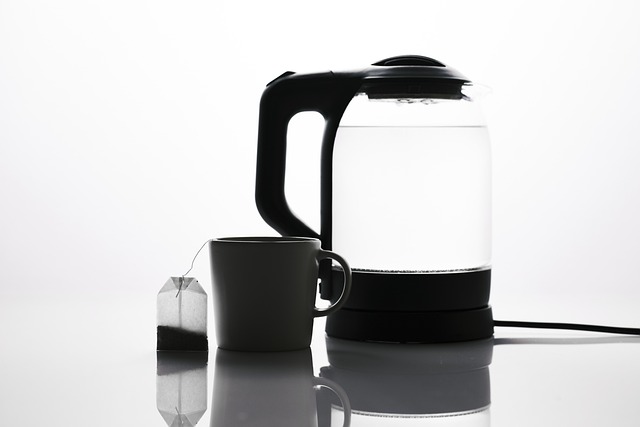
A cast iron tea kettle is a perfect addition to your kitchen if you are a tea lover. These kettles are made of cast iron and come in various shapes and sizes. They are not only durable but also heat up evenly and retain heat for a longer time.
Do Cast Iron Tea Kettles Whistle?
Yes, most cast iron tea kettles do whistle. The whistle is produced because of the steam trapped inside the kettle, which creates pressure. Once the pressure reaches a certain level, the steam is released through the spout of the kettle, which produces the whistling sound.
Are There Cast Iron Tea Kettles That Do Not Whistle?
Yes, there are cast iron tea kettles that do not whistle. These kettles, known as non-whistling cast iron tea kettles, do not have a whistle spout. However, they are not as popular as the whistling ones.
Benefits of a Whistling Cast Iron Tea Kettle
A whistling cast iron tea kettle has several benefits. The most significant one is that it alerts you when the water is boiling, so you can turn off the heat and prevent the water from boiling over. It also ensures that you do not forget the kettle on the stove and prevents it from boiling dry, which can damage the kettle.
Conclusion
Cast iron tea kettles are a perfect addition to any kitchen for tea lovers. Most cast iron tea kettles do whistle, which is produced by the trapped steam inside the kettle. A whistling cast iron tea kettle has several benefits, including preventing boiling over and dry boiling. If you are looking for a cast iron tea kettle, consider one with a whistle spout.
Source: https://en.wikipedia.org/wiki/Tea_kettle

To Whistle or Not to Whistle: The Tradition of Cast Iron Tea Kettles
Overview
- The cast iron tea kettle has been a staple in Japanese tea ceremonies for centuries.
- These kettles are known for their durability and heat retention abilities.
- Some tea kettles come equipped with a whistle mechanism, while others do not.
- The use of a whistle is a topic of debate amongst tea enthusiasts.
The Debate
- Some argue that whistling kettles disrupt the serenity of the tea ceremony, while others see it as a functional tool.
- Traditionally, tea masters would use their senses to determine when the water has reached the ideal temperature, making a whistle unnecessary.
- However, for non-experts, a whistle can be helpful in achieving the correct temperature.
Personal Preference
- The decision to use a whistling tea kettle ultimately depends on personal preference.
- Some enjoy the traditional and ceremonial aspect of tea-making without the interference of a whistle.
- Others value the convenience and practicality of a whistling kettle.