Contents
Understanding the Journey of Your Kitchen Sink Water: From Drain to Destination
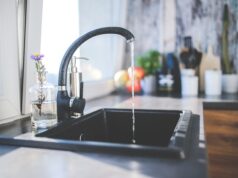
When you turn on the faucet in your kitchen and let the water flow down the drain, have you ever stopped to wonder where it goes? The journey of your kitchen sink water is actually more complicated than you might think.
Drain: The journey begins at your kitchen sink when you turn off the tap. The water flows down the drain and into the pipes beneath your home.
Pipes: The pipes carrying your sink water are typically connected to your home’s main plumbing system, which eventually leads to the municipal sewer system.
Sewer Treatment: In the sewer system, your kitchen sink water is mixed with other wastewater from your home and your community. It travels to a wastewater treatment plant, where it undergoes a complex process to remove impurities and harmful substances.
Destination: After the wastewater is treated, it is typically released into a nearby body of water, such as a river or ocean. Some communities also use treated wastewater for irrigation, industrial purposes, or even to replenish groundwater.
Overall, understanding the journey of your kitchen sink water can help you appreciate the importance of conserving water and keeping your plumbing system in good condition. By taking care of your pipes and using water wisely, you can help ensure the safe and efficient journey of your kitchen sink water from drain to destination.
**Understanding the Journey of Your Kitchen Sink Water: From Drain to Destination**
**Introduction**
Do you ever wonder what happens to the water that goes down your kitchen sink drain? The journey of your kitchen sink water is a fascinating and crucial aspect of water management. In this blog post, we will discuss the various stages in the journey of your kitchen sink water, from drain to destination.
**The Drain**
The water that goes down your kitchen sink drain is typically a mix of food particles, grease, soap, and other household substances. Once it enters the drain, it travels through a pipe that leads to the sewer system.
**The Municipal Sewer System**
The municipal sewer system is a network of pipes and treatment facilities designed to manage household wastewater. Once your kitchen sink water enters the sewer system, it mixes with wastewater from other sources, such as toilets and showers. The mixture travels through pipes to a wastewater treatment facility.
**Wastewater Treatment**
The wastewater treatment facility is designed to remove harmful pollutants and contaminants from the wastewater. The facility typically includes several stages of treatment, such as primary treatment, secondary treatment, and tertiary treatment.
**Primary Treatment**
During the primary treatment stage, the wastewater is screened to remove large solids and debris. This process is essential to prevent blockages and damage to the equipment used in the treatment process.
**Secondary Treatment**
During the secondary treatment stage, the remaining suspended and dissolved organic matter is removed from the wastewater. This is typically done through a biological process, where microorganisms break down and consume the pollutants.
**Tertiary Treatment**
The tertiary treatment stage is typically the final stage in the treatment process. This stage removes any remaining impurities and contaminants from the wastewater. The treated wastewater is then typically discharged into a nearby water body, such as a river or lake.
**The Journey After Treatment**
Once the wastewater is discharged into a water body, it is usually transported downstream by the current. It may also be used as a source of water for irrigation or other agricultural purposes. In some cases, the treated wastewater may be further treated for reuse as drinking water.
**Conclusion**
The journey of your kitchen sink water is a crucial aspect of water management. By understanding the process of how wastewater is treated, we can appreciate the importance of responsible water management practices. It is our collective responsibility to ensure that we use water wisely and efficiently to safeguard our planet’s most precious resource.
**References**
To learn more about wastewater treatment, visit:
https://www.epa.gov/water-research/wastewater-treatment-basics

FREQUENTLY ASKED QUESTIONS
Q: Where does the water from my kitchen sink drain go?
A: The water from your kitchen sink goes down the drain and enters your home’s plumbing system. It is then transported to either a public sewer system or a septic tank.
Q: What happens to the water in the public sewer system?
A: The water from your kitchen sink, along with other wastewater from your home, enters the public sewer system. It is then transported to a wastewater treatment facility where it is treated and cleaned before being released into a nearby body of water.
Q: How does a septic tank work?
A: A septic tank is a private wastewater treatment system that is used in homes that are not connected to a public sewer system. The water from your kitchen sink, along with other wastewater from your home, enters the septic tank. The solids in the water settle to the bottom of the tank and are broken down by bacteria. The liquid portion of the wastewater flows out of the tank and into a drain field where it is absorbed into the soil.
Q: Is it safe to pour grease down my kitchen sink drain?
A: No, it is not safe to pour grease down your kitchen sink drain. Grease can solidify as it cools and can cause blockages in your plumbing system. It is recommended that you dispose of grease in the trash or in a separate container.
Q: What can I do to prevent my kitchen sink drain from clogging?
A: To prevent your kitchen sink drain from clogging, avoid pouring grease down the drain and use a strainer to catch food particles. Run hot water down the drain after each use and regularly clean the drain with a mixture of baking soda and vinegar.

Understanding Where Your Kitchen Sink Drains To
If you are like most people, you use your kitchen sink on a daily basis. But have you ever wondered where all the water and food scraps go once they disappear down the drain? In this article, we will explore the answer to the long tail keyword question “Where does my kitchen sink drain to?”
The Kitchen Sink Drainage System
Your kitchen sink is connected to a complex network of pipes and drainage systems that work together to transport waste water and food scraps out of your home. Typically, your kitchen sink will drain into a pipe called the P-trap, which is a U-shaped section of pipe that is designed to trap water in order to prevent sewer gases from entering your home.
From there, the waste water and food scraps will flow into your home’s larger drainage system, which is designed to carry sewage and other waste materials to a treatment facility.
Possible Issues with Your Kitchen Sink Drainage System
If you notice that your kitchen sink is draining slowly or not draining at all, it could be an indication that there is a problem with your sink’s drainage system. Some of the most common issues include clogs, leaks, and damage to the pipes.
If you are experiencing any of these issues, it is important to contact a professional plumber as soon as possible in order to prevent further damage to your home’s plumbing system.
For more information about the plumbing systems in your home, check out Wikipedia’s page on plumbing.

Understanding the Journey of Your Kitchen Sink Water: From Drain to Destination
Introduction
- Water is a valuable resource that we use every day in our kitchen sinks.
- Understanding the journey of our kitchen sink water can help us appreciate the importance of water conservation and proper waste disposal.
Drain
- After we use water in our kitchen sinks, it goes down the drain.
- The drain leads to a network of pipes that transport water to a larger sewer system or septic tank.
Treatment
- Once the water reaches the larger sewer system or septic tank, it undergoes treatment before it is released back into the environment.
- The treatment process removes harmful substances and bacteria from the water, making it safe for the environment.
Destination
- The treated water is discharged into streams, rivers, or oceans, depending on its destination.
- The water can also be reused for irrigation or other purposes, depending on its quality.
Conclusion
- The journey of our kitchen sink water is a complex process that involves many different systems and treatments.
- By understanding this journey, we can take steps to conserve water and properly dispose of waste, contributing to a healthier environment for all.