Contents
Unveiling the Secrets: How to Keep Your Stainless Steel Kettle Rust-Free
Welcome to our informative guide on how to maintain your stainless steel kettle in pristine condition. Nothing ruins the pleasure of brewing the perfect cup of tea or coffee like a rusty kettle. With the right knowledge and care, you can prevent rust and ensure longevity for your stainless steel kettle.
Below, we will unveil the secrets to keeping your stainless steel kettle rust-free:
Proper Cleaning and Drying Techniques
To thwart rust formation, it is crucial to clean your stainless steel kettle regularly. Avoid using abrasive materials that can scratch the surface. Instead, opt for a gentler approach, using warm water, mild detergent, and a soft cloth or sponge. Rinse the kettle thoroughly to remove any soap residue.
After cleaning, make sure to dry your kettle completely. Moisture left inside the kettle can lead to rust development. Use a clean, dry cloth to wipe the exterior and interior surfaces before storing or using the kettle again.
Preventing Moisture Build-up
Moisture and humidity are key catalysts for rust formation. To prevent moisture build-up, always keep the lid of your kettle open when not in use. This allows any remaining moisture inside to evaporate, reducing the chances of rusting.
Avoid storing the kettle in damp or humid environments, such as near sinks or in a basement. Find a well-ventilated area with low humidity to store your kettle when it’s not in use.
Regular Descaling
Limescale build-up is a common issue in kettles, and it can contribute to rust formation. To combat this, descaling your stainless steel kettle on a regular basis is essential.
You can use a mixture of white vinegar and water to remove any limescale deposits. Fill the kettle with equal parts vinegar and water, bring it to a boil, and let it sit for a few hours. Rinse the kettle thoroughly afterwards, and you’ll be rid of any potential limescale that could lead to rusting.
Conclusion
By following these tips and tricks, you can prevent rust and maintain the pristine condition of your stainless steel kettle for years to come. Regular cleaning, proper drying techniques, preventing moisture build-up, and regular descaling can go a long way in ensuring your kettle remains rust-free and ready to serve you the perfect cup of hot beverage every time.
Unveiling the Secrets: How to Keep Your Stainless Steel Kettle Rust-Free
1. Understanding Stainless Steel
Before we dive into the secrets of keeping your stainless steel kettle rust-free, let’s first understand what stainless steel is. Stainless steel is a type of alloy that contains a high amount of chromium, which gives it its corrosion-resistant properties. However, despite its name, stainless steel is not completely impervious to rust.
2. The Culprit: Rust
Rust is formed when the protective layer of chromium oxide on the surface of stainless steel is compromised. This can happen due to a variety of factors, such as exposure to moisture, high temperatures, or certain chemicals. It is important to take proper care of your stainless steel kettle to prevent rust from forming.
3. Cleaning and Maintenance
To keep your stainless steel kettle rust-free, regular cleaning and maintenance are essential. Follow these steps:
- Empty the kettle and rinse it thoroughly after each use to remove any leftover residue.
- Use a soft cloth or sponge with warm, soapy water to clean the exterior and interior of the kettle.
- Avoid using abrasive cleaners or scrubbers that may scratch the surface of the stainless steel.
- Dry the kettle thoroughly after cleaning to prevent moisture from lingering and causing rust.
- Consider using a stainless steel cleaner or polish occasionally to maintain the shine and protective layer of the kettle.
4. Prevention is Key
Preventing rust in your stainless steel kettle is easier than dealing with it once it has formed. Here are some preventive measures:
- Avoid leaving water or any other liquids inside the kettle for extended periods.
- Store the kettle in a dry place away from moisture and humidity.
- If using the kettle on a stovetop, use moderate heat settings to prevent overheating and potential damage.
- Do not use the kettle to boil acidic substances, as they can corrode the stainless steel.
5. Proper Descaling
Descaling is an important part of kettle maintenance, as mineral deposits can build up over time and affect the performance of your kettle. Follow these steps to descale your stainless steel kettle:
- Fill the kettle with equal parts water and white vinegar.
- Let the solution boil and then remove it from the heat.
- Allow the mixture to sit in the kettle for about 20-30 minutes.
- Discard the solution and rinse the kettle thoroughly.
- Boil a full kettle of clean water to remove any remaining vinegar smell.
6. Conclusion
By understanding the properties of stainless steel, implementing proper cleaning and maintenance practices, taking preventive measures, and descaling regularly, you can keep your stainless steel kettle rust-free for a long time. Remember, a little extra care goes a long way in preserving the quality and durability of your kitchen appliances.
Sources:
For more information on stainless steel care, you can visit The Spruce.

Frequently Asked Questions – Unveiling the Secrets: How to Keep Your Stainless Steel Kettle Rust-Free
1. Why does stainless steel kettle rust?
Stainless steel kettles can rust due to a number of reasons, such as exposure to moisture, high humidity, or contact with rust-inducing substances. It’s important to understand the factors that contribute to rust formation in order to prevent it effectively.
2. How can I prevent rust from forming on my stainless steel kettle?
There are several measures you can take to keep your stainless steel kettle rust-free:
- Ensure the kettle remains dry after each use.
- Avoid using abrasive cleaning materials that can damage the protective coating.
- Regularly clean the kettle to remove any potential rust-inducing substances.
- Store the kettle in a dry and well-ventilated area.
- Consider using a stainless steel polish or protective coating to enhance its resistance to rust.
3. Can I use vinegar to remove rust from my stainless steel kettle?
Vinegar can be an effective natural remedy for removing rust stains from stainless steel. Simply fill the kettle with equal parts of vinegar and water, let it sit for a few hours, and then rinse thoroughly. However, prevention is always better than cure, so it’s best to follow the preventive measures mentioned earlier to avoid rust formation altogether.
4. What should I do if my stainless steel kettle already has rust spots?
If your stainless steel kettle already has rust spots, you can try using a mixture of baking soda and water to create a paste. Gently scrub the affected areas with the paste using a soft cloth or sponge. Rinse thoroughly and repeat if necessary. However, keep in mind that this method may not completely restore the kettle’s original appearance, and prevention is still the best approach.
5. How often should I clean my stainless steel kettle?
It is recommended to clean your stainless steel kettle at least once a week, or more frequently if you use it daily. Regular cleaning helps prevent the accumulation of substances that can contribute to rust formation and also keeps your kettle in good condition.
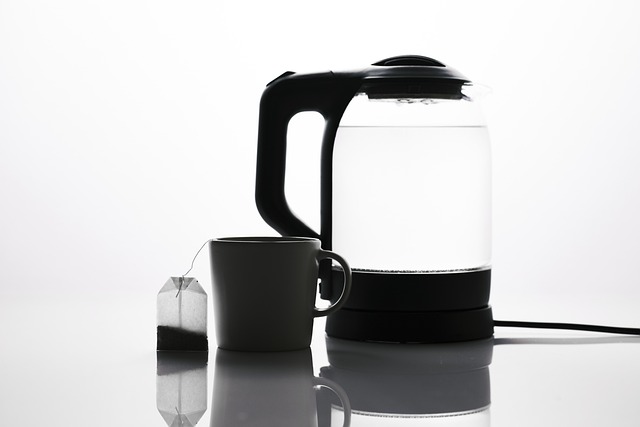
How to Prevent Stainless Steel Kettle from Rusting
Why do Stainless Steel Kettles Rust?
Stainless steel kettles are known for their durability and resistance to rust. However, under certain circumstances, stainless steel can still develop rust over time. Understanding the reasons behind this can help you take the necessary preventive measures.
Causes of Rusting in Stainless Steel Kettles
1. Exposure to moisture: Prolonged exposure to moisture can lead to the development of rust on stainless steel. It is essential to keep your kettle dry at all times after use, especially in humid environments.
2. Scratches and damages: Scratches or damages on the surface of the kettle can compromise the protective layer and expose the underlying metal to moisture, resulting in rust formation. To prevent this, avoid using abrasive cleaners or harsh materials while cleaning your kettle.
Preventive Measures
1. Dry the kettle: After each use, make sure to thoroughly dry the kettle, including the lid, spout, and inner surface. This helps to eliminate any moisture that could lead to rusting.
2. Handle with care: To prevent scratches and damages, use non-abrasive cleaning tools and gentle detergents. Avoid using steel wool, harsh brushes, or any cleaning agent containing chlorine or bleach.
3. Store properly: If you need to store the kettle for an extended period, ensure it is completely dry before placing it in a well-ventilated area. Consider storing it with silica packets or a moisture-absorbing product to further prevent rust formation.
4. Regular maintenance: Periodically inspect your stainless steel kettle for any signs of damage or rust. If you notice any issues, address them promptly to prevent further deterioration.
By following these preventive measures, you can extend the lifespan of your stainless steel kettle and maintain its rust-free appearance for years to come!
For more information about stainless steel and its properties, visit the Stainless Steel Wikipedia page.

Unveiling the Secrets: How to Keep Your Stainless Steel Kettle Rust-Free
Introduction
- Why stainless steel kettles are prone to rust
Best Practices for Maintenance
- Regular cleaning of your kettle
- Avoiding use of abrasive cleaning agents
- Proper drying and storage techniques
Preventing Rust Build-Up
- Using filtered or distilled water
- Removing mineral deposits
Additional Tips and Tricks
- Using vinegar or lemon juice for deep cleaning
- Applying a coat of vegetable oil to prevent rust
Conclusion
- By following these steps, your stainless steel kettle will stay rust-free for longer