Contents
What is Self-Rising Flour and How is it Used in Recipes?
Self-rising flour is a type of flour that already has a leavening agent, usually baking powder, mixed into it. This means that when you use self-rising flour in a recipe, you don’t need to add additional baking powder, as the flour already has it incorporated. Self-rising flour is commonly used in recipes for biscuits, cakes, and muffins.
The leavening agent in self-rising flour helps the recipe to rise and creates a light and fluffy texture in baked goods. It’s important to note that using self-rising flour instead of all-purpose flour will change the texture and flavor of the final product, so it’s best to only use self-rising flour when a recipe specifically calls for it.
When using self-rising flour in a recipe, be sure to also adjust the amount of salt you add, as self-rising flour already contains salt. If a recipe calls for all-purpose flour but you only have self-rising flour on hand, you can make your own substitute by mixing together one cup of all-purpose flour, 1 1/2 teaspoons of baking powder, and 1/4 teaspoon of salt.
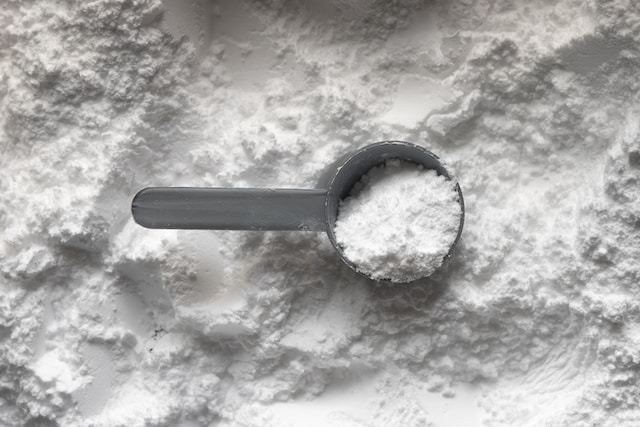
What is Self-Rising Flour?
Self-rising flour is a type of flour that is commonly used in baking. It is made by combining all-purpose flour with baking powder and salt. This combination helps to leaven baked goods, so they rise and become light and fluffy.
How Is Self-Rising Flour Used in Recipes?
Self-rising flour can be used in a variety of recipes, especially in recipes that call for a leavening agent such as baking powder. It is commonly used in recipes for biscuits, cakes, and other baked goods.
Substituting Self-Rising Flour for All-Purpose Flour?
If you don’t have self-rising flour on hand, you can substitute it with all-purpose flour, baking powder, and salt. To make your own self-rising flour, combine 1 cup of all-purpose flour with 1 1/2 teaspoons of baking powder and 1/4 teaspoon of salt.
Precautions When Using Self-Rising Flour
When using self-rising flour, it is important to remember that it already contains salt and baking powder, so you don’t want to add any additional salt or raising agents to your recipe. If you do, you may end up with baked goods that are too salty or that rise too much.
Conclusion
Self-rising flour is a versatile ingredient that can be used in a variety of baking recipes. With self-rising flour, you can easily make light and fluffy baked goods that will impress your family and friends.
For more information on self-rising flour, you can visit myrecipes.com.

FAQs: What is self-rising flour and how is it used in recipes?
What is self-rising flour?
Self-rising flour is a type of flour that already contains a leavening agent, such as baking powder or a combination of baking powder and salt. This allows baked goods to rise and become light and fluffy without the need for additional leavening agents.
How is self-rising flour used in recipes?
Self-rising flour is commonly used in recipes for baked goods such as cakes, biscuits, and quick breads. It is used in place of all-purpose flour and other leavening agents such as baking powder, salt, and yeast. When using self-rising flour, it is important to not add any additional leavening agents to the recipe.
Can I substitute all-purpose flour for self-rising flour?
Yes, all-purpose flour can be substituted for self-rising flour in recipes. For every cup of self-rising flour called for in the recipe, use 1 cup of all-purpose flour, 1 ½ teaspoons of baking powder, and ¼ teaspoon of salt. Mix these ingredients together well before using in the recipe.
Can I make my own self-rising flour?
Yes, you can make your own self-rising flour by combining 1 cup of all-purpose flour, 1 ½ teaspoons of baking powder, and ¼ teaspoon of salt. Mix these ingredients together well and use in the recipe as directed.

What is Flour?
Flour is a powdery substance made by grinding grains, beans, or roots. It is commonly used for baking and cooking as a thickener or to add texture to dishes. There are many types of flour, including wheat flour, all-purpose flour, cake flour, bread flour, and many more.
Wheat Flour
Wheat flour is the most common type of flour used in baking. It is made by grinding wheat berries into a fine powder. There are different types of wheat flour, including all-purpose flour, bread flour, cake flour, and pastry flour. Each type of wheat flour has a different protein content, which affects its texture and elasticity.
Gluten-Free Flour
Gluten-free flour is a type of flour that is used as a substitute for wheat flour. It is made from non-gluten grains, seeds, or nuts, such as rice flour, almond flour, or coconut flour. It is a great alternative for those who have gluten intolerance or celiac disease.
Flour in Recipes
Flour is an essential ingredient in many recipes. It is used as a thickener, as a binding agent, or to add texture to dishes. Some recipes that commonly use flour include bread, cakes, cookies, pancakes, and sauces.
If you want to learn more about flour and its uses, you can check out Wikipedia’s Flour Page.
What is Self-Rising Flour and How is it Used in Recipes?
- Self-rising flour is a type of flour that already contains all-purpose flour, baking powder, and salt.
- It is often used in recipes that require a light and airy texture, such as biscuits, cakes, and pancakes.
- When using self-rising flour, additional baking powder and salt should not be added to the recipe.
- Self-rising flour can also be substituted with all-purpose flour, but the recipe will need to include baking powder and salt separately.