Contents
Why Flour is a Staple Ingredient in Every Kitchen
Flour is a versatile and essential ingredient found in almost every kitchen around the world. It is the powdery substance obtained by grinding grains, such as wheat, rice, corn, or oats.
Here are a few reasons why flour is considered a staple ingredient:
- Versatility: Flour can be used as the main ingredient or a key component in numerous recipes, ranging from bread, cakes, and cookies to pasta, tortillas, and pancakes.
- Thickening Agent: Flour is commonly used as a thickening agent in soups, stews, gravies, and sauces. It helps to add texture and body to these dishes.
- Baking Leavening: Certain types of flour, like self-rising flour, contain leavening agents that react with moisture and heat to create a rise in baked goods, giving them a light and fluffy texture.
- Binding Agent: Flour acts as a binding agent by absorbing liquids and forming a cohesive mixture. It helps to hold ingredients together in doughs and batters.
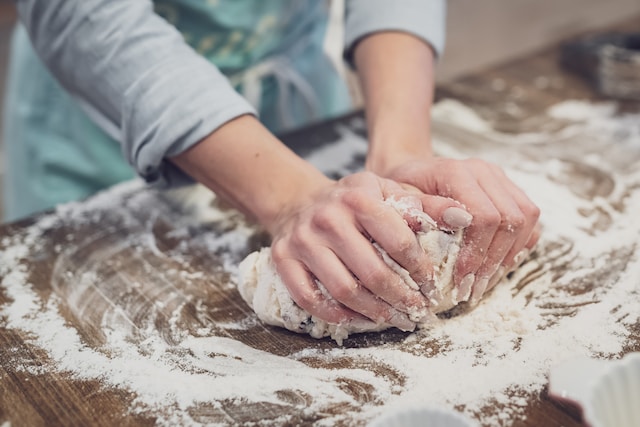
- Dusting and Coating: Flour is often used to dust surfaces when rolling out dough or coating ingredients before frying or baking, preventing sticking and aiding in browning.
In conclusion, flour is an indispensable ingredient in cooking and baking. Its versatility, ability to thicken, leaven, bind, and coat make it an essential part of every kitchen pantry.
Why Flour is a Staple Ingredient in Every Kitchen
Types of Flour
Flour is a versatile ingredient used in countless recipes across various cultures. There are several types of flour, each with its unique characteristics:
- All-Purpose Flour: Ideal for everyday cooking and baking
- Whole Wheat Flour: Contains more nutrients and fiber than refined flour
- Bread Flour: Higher protein content suitable for making bread and pizza dough
- Cake Flour: Low protein content for delicate cakes and pastries
- Gluten-Free Flour: Suitable for those with gluten intolerance or celiac disease
Versatility of Flour
Flour serves various purposes in the kitchen:
- Baking: Flour is a key ingredient in cakes, cookies, bread, pastries, and more.
- Thickening Agent: It acts as a thickening agent for sauces, stews, and gravies.
- Breading: Flour is often used to coat meat and vegetables before frying.
- Pasta and Noodles: Flour is the primary ingredient in pasta dough.
- Binding: It helps bind ingredients together in recipes like meatballs and veggie burgers.
Flour in Culinary Preparations
Flour plays a crucial role in various culinary preparations:
- Bread Making: Without flour, it would be impossible to achieve the perfect loaf of bread.
- Pizza Dough: Flour forms the base of pizza dough, providing the necessary structure.
- Cakes and Pastries: The right type of flour ensures a light and fluffy texture in cakes and pastries.
- Roux: Flour mixed with fat creates a roux, the foundation of many sauces like béchamel.
Recommended Resources
For further information about flour, its types, and usage, feel free to visit the following resources:

Frequently Asked Questions
1. Why is flour considered a staple ingredient?
Flour is considered a staple ingredient in every kitchen because of its versatility and wide range of uses. It forms the basis for many baked goods, such as bread, cakes, cookies, and pastries. It acts as a thickening agent in sauces, gravies, and soups. It is also used to make pasta, noodles, and flatbreads. In short, flour is a fundamental component in numerous recipes, making it an essential pantry item.
2. What types of flour are commonly used?
There are several types of flour commonly used in cooking and baking:
- All-purpose flour: This is the most commonly used flour, suitable for a wide variety of recipes.
- Whole wheat flour: This flour is made from whole grains and adds more nutrition to baked goods.
- Cake flour: Cake flour has a finer texture and is ideal for making cakes and other delicate desserts.
- Bread flour: Bread flour has a higher protein content and is perfect for making homemade bread.
3. Can gluten-free flours be used as a substitute for regular flour?
Yes, gluten-free flours can be used as a substitute for regular flour in certain recipes. However, it’s important to note that gluten-free flours have different properties, so some adjustments may be required. It is recommended to follow specific gluten-free recipes or consult a recipe conversion chart to maintain the desired texture and taste.
4. How should flour be stored to maintain its freshness?
To maintain the freshness of flour, it is best to store it in an airtight container in a cool and dry place, away from direct sunlight. Exposure to moisture and heat can cause flour to spoil and develop a rancid taste. It is also advisable to check the expiry date on the packaging and use the oldest flour first to avoid waste.

The Versatility of Flour in the Kitchen
Understanding Different Types of Flour
Flour is a crucial ingredient in countless recipes, offering structure and texture to baked goods, as well as acting as a thickening agent in sauces and gravies. There are various types of flour suited for different purposes in the kitchen. All-purpose flour, whole wheat flour, cake flour, and bread flour are some common variants used in everyday cooking.
Gluten-free Alternatives
For individuals with gluten intolerance or celiac disease, there are gluten-free flour options available, such as almond flour, coconut flour, and rice flour. These alternatives provide an excellent substitute for traditional flour and can be used in a wide range of recipes, including baked goods and savory dishes.
Creating Texture and Fluffiness
Depending on the desired outcome, the type of flour used can greatly impact the texture and fluffiness of the final product. For example, cake flour is often preferred for achieving a light and airy texture in cakes, while bread flour contains a higher protein content, resulting in a chewier texture in bread loaves.
Enhancing Flavor with Nut Flours
Nut flours, such as almond flour and hazelnut flour, can be an excellent addition to recipes for an extra boost of flavor. These flours not only add a unique taste but also impart a delightful aroma to various dishes. They are commonly used in pastries, cookies, and even as coatings for meats and vegetables.
Which Flour Should You Choose?
The choice of flour depends on the specific recipe and the desired results. Experimenting with different types of flour can lead to exciting culinary discoveries. Remember to refer to reputable sources, such as Wikipedia, for further information on various flours and their characteristics.
Discover Flour-Based Recipes at Special Magic Kitchen
If you’re in search of delicious recipes that utilize flour in various creative ways, head over to Special Magic Kitchen. They offer a wide range of flour-based recipes, culinary tips, and inspiration for your next kitchen adventure.
Benefits of Flour:
- 1. Versatility: Flour can be used in a wide variety of dishes, such as bread, cakes, pastries, and even as a thickening agent in sauces.
- 2. Source of nutrition: Flour is a good source of carbohydrates, essential for energy production.
- 3. Shelf-stable: Flour can be stored for extended periods without spoiling, making it a reliable pantry staple.
- 4. Budget-friendly: Flour is generally an inexpensive ingredient, making it accessible for all types of households.
- 5. Easy to work with: Flour is easy to measure, mix, and manipulate, making it a great choice for both beginner and experienced cooks.
- 6. Foundation for baked goods: Most baking recipes call for flour as a foundational ingredient, providing structure and texture to breads, cakes, and pastries.