
Contents
Why is Flour Bleached?
Flour bleaching is a process that involves treating flour with a chemical agent, such as chlorine or benzoyl peroxide, to whiten it and enhance its baking properties. The process can also help to improve the texture and crumb of baked goods. The reason why bleached flour is preferred by many bakers and food manufacturers is that it produces lighter and softer baked goods than unbleached flour.
Is Bleached Flour Safe for Consumption?
Consumers often raise concerns about the safety of consuming bleached flour, as they wonder if the chemicals used in the process pose any health risks. However, reputable health organizations, such as the FDA and the American Bakers Association, claim that bleached flour is safe for consumption, as long as it meets the regulatory standards and is used in moderation.
That being said, some people may experience allergic reactions or sensitivities to the chemicals used in the bleaching process. Also, some studies suggest that the process may result in the formation of some harmful byproducts, such as alloxan and dioxins, which are associated with diabetes and cancer. However, these studies are inconclusive, and more research is needed to determine the exact health implications of consuming bleached flour.
In conclusion, while bleached flour may produce better baking results, its safety for consumption is still a topic of debate. It is advisable to consume it in moderation and to opt for natural, unbleached flour when possible.
What is Bleached Flour?
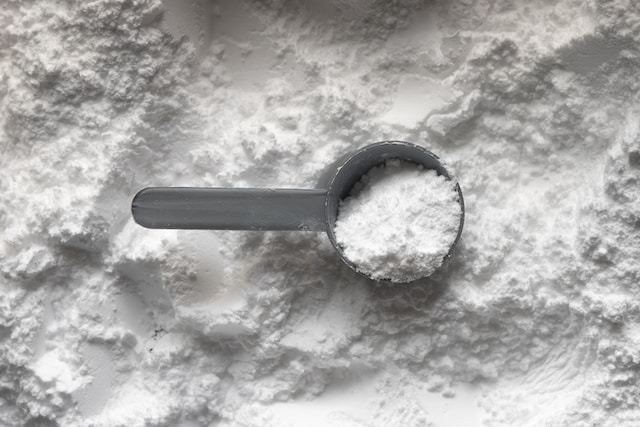
Bleached flour is flour that has been chemically treated to make it whiter and softer. It is also known as “white flour” and is used in many types of baked goods, such as bread, cakes, and pastries. The process of bleaching flour involves the use of chemicals, such as chlorine or benzoyl peroxide.
Why Is Flour Bleached?
The main reason flour is bleached is to make it more visually appealing. Unbleached flour can look dull and yellowish, while bleached flour is bright white. Bleaching also makes the flour softer and more tender, which can make baked goods lighter and fluffier.
Is Bleached Flour Safe to Consume?
There has been some concern about the safety of bleached flour, as some of the chemicals used in the bleaching process can be harmful if consumed in large amounts. However, the U.S. Food and Drug Administration (FDA) has deemed bleached flour to be safe for consumption.
What Chemicals are Used in the Bleaching Process?
There are two main chemicals that are used in the bleaching process:
- Chlorine – This is the most commonly used chemical for bleaching flour. It is used in very small amounts (less than 50 parts per million) and is not considered to be harmful to human health.
- Benzoyl Peroxide – This is another chemical that is used for bleaching flour. It is used in slightly larger amounts than chlorine (up to 200 parts per million) and has been shown to be safe for consumption by the FDA.
Are There Any Alternatives to Bleached Flour?
Yes, there are alternatives to bleached flour, such as:
- Unbleached Flour – This is flour that has not been chemically treated to make it whiter or softer.
- Whole Wheat Flour – This is flour that is made from the entire wheat kernel, including the bran and germ. It is a good source of fiber and nutrients.
- Other Flour Alternatives – There are many other types of flour that can be used in baking, such as almond flour, coconut flour, and rice flour.
Conclusion
While there has been some concern about the safety of bleached flour, it has been deemed safe for consumption by the FDA. However, if you are concerned about the chemicals used in the bleaching process, there are alternatives, such as unbleached flour and whole wheat flour.
References:
- Food Additive Status List
- Bleached vs. Unbleached Flour: What’s the Difference?
- What Even Is Bleached Flour, Anyway?

FAQs: Flour Bleaching and Consumption Safety
Why is flour bleached?
Flour bleaching is a process done by some manufacturers to give flour a whiter color and finer texture. It is also meant to make flour easier to mix with other ingredients, and to help it rise better when baking.
Is flour bleached safe for consumption?
Bleaching flour with chemicals like chlorine or benzoyl peroxide has been approved by the FDA and is generally considered safe for consumption. However, some people may be sensitive to the chemicals used in the bleaching process and may experience some forms of allergic reaction. Additionally, bleaching can lead to the destruction of certain nutrients found in the flour, which may have health implications if done over a long period of time.
Are there alternatives to bleached flour?
Unbleached flour is readily available in stores and is a great alternative to bleached flour. It undergoes the same grinding and milling process but does not undergo the bleaching process. Whole wheat flour is also an option, although it contains more fiber and nutrients than bleached or unbleached flour.

Understanding the Benefits of Whole Wheat Flour
What sets whole wheat flour apart?
Whole wheat flour is a type of flour that is derived from whole wheat kernels. As opposed to refined and bleached flour, whole wheat flour is packed with essential nutrients and minerals, providing a host of benefits.
What are the benefits of using whole wheat flour in your recipes?
Some of the key benefits of using whole wheat flour include:
– Higher fiber content: Whole wheat flour contains more fiber than refined flour, which helps you feel fuller for longer.
– Rich in vitamins and minerals: Whole wheat flour contains essential vitamins and minerals such as iron, magnesium, and B vitamins.
– Lower glycemic index: Whole wheat flour has a lower glycemic index compared to refined flour, which means it can help regulate blood sugar levels.
– Helps with digestion: The fiber content in whole wheat flour can help promote healthy digestion.
How can you incorporate whole wheat flour into your recipes?
Whole wheat flour can be used in a variety of recipes, from bread and pizza dough to cookies and cakes. Simply swap out refined flour for whole wheat flour in any recipe.
When looking for recipes to incorporate whole wheat flour, check out the many resources available online. One useful resource is Wikipedia’s page on whole wheat flour, which provides a detailed overview of the flour’s benefits and uses.
Outbound link: https://en.wikipedia.org/wiki/Whole_wheat_flour
Why is flour bleached and is it safe for consumption?
- Flour is bleached to improve its texture, color, and baking performance.
- The two main methods of bleaching flour are chlorination and benzoyl peroxide treatment.
- Chlorination is a controversial method as it produces small amounts of potentially harmful chemicals, including chloroform.
- Benzoyl peroxide treatment is considered safer, but it can cause allergic reactions in some people.
- The FDA regulates the use of flour bleaching agents and sets limits on the maximum amount allowed in flour.
- Consuming bleached flour is generally considered safe in small amounts but may cause health problems if consumed excessively.