






Contents
How Does Salt Affect High Blood Pressure and What are Some Ways to Reduce Sodium Intake?
Salt, or sodium chloride, is a mineral that is essential to the human body. However, too much salt in the diet can lead to high blood pressure, also known as hypertension. When there is too much sodium in the blood, it pulls in more water, which increases the pressure in the blood vessels. Over time, this increased pressure can damage the blood vessels, leading to various health problems such as heart disease and stroke.
Reducing sodium intake can help to lower blood pressure and reduce the risk of these health problems. Some ways to reduce sodium intake include:
- Reading food labels and avoiding high-sodium foods
- Using herbs and spices to flavor food instead of salt
- Choosing fresh fruits and vegetables over canned or processed varieties
- Limiting the amount of salt used in cooking
- Choosing low-sodium versions of foods such as soups and sauces

Understanding High Blood Pressure
High blood pressure or hypertension is considered one of the most common health problems among adults worldwide. It occurs when the force of blood against the walls of your arteries is too high, leading to long-term health concerns like heart attack, stroke, and other cardiovascular diseases. While there are several risk factors for hypertension, studies have shown that high intake of sodium is one of the primary causes of high blood pressure.
How Does Salt Affect High Blood Pressure?
When you consume a high-sodium diet, your body holds onto extra water, which causes an increase in blood volume, thereby increasing the pressure in your arteries. This, in turn, puts extra strain on your heart, leading to several long-term health problems. According to the American Heart Association (AHA), a diet high in sodium can significantly raise your risk of developing hypertension, especially if you’re sensitive to sodium.
Ways to Reduce Salt Intake
If you’re looking to reduce your salt intake, here are a few tips to help you out:
- Choose fresh foods over processed foods: One of the best ways to reduce sodium intake is to choose fresh whole foods like fruits, vegetables, and whole grains, over processed foods that are often loaded with sodium.
- Scan food labels: Always check the sodium content of the food product you’re buying. Look for products that contain less than 140 mg of sodium per serving.
- Use herbs and spices instead of salt: Get creative in the kitchen and experiment with different herbs and spices like basil, oregano, rosemary, thyme, and many more, to add flavor to your meals without adding sodium.
- Avoid adding salt while cooking: Instead of adding salt, try adding lemon, lime, or grapefruit juice to your dishes.
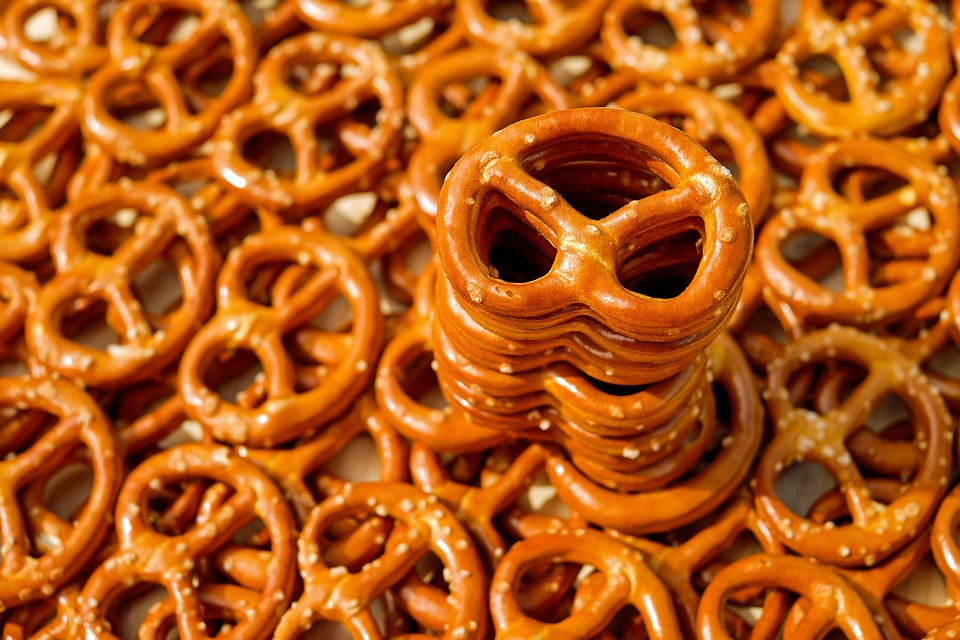
- Limit your intake of salty snacks: Snacks like chips, crackers, and pretzels are often high in sodium, so try to limit your intake of these foods.
Conclusion
Reducing your salt intake can go a long way in helping you manage your blood pressure and reducing your risk of developing hypertension. By following the tips mentioned above, you’ll be able to make healthier choices and feel more in control of your health.
References