

Contents

How Does Salt Affect High Blood Pressure and What are Some Ways to Reduce Sodium Intake?

Salt, or sodium chloride, is a mineral that is essential to the human body. However, too much salt in the diet can lead to high blood pressure, also known as hypertension. When there is too much sodium in the blood, it pulls in more water, which increases the pressure in the blood vessels. Over time, this increased pressure can damage the blood vessels, leading to various health problems such as heart disease and stroke.

Reducing sodium intake can help to lower blood pressure and reduce the risk of these health problems. Some ways to reduce sodium intake include:

  • Reading food labels and avoiding high-sodium foods
  • Using herbs and spices to flavor food instead of salt
  • Choosing fresh fruits and vegetables over canned or processed varieties
  • Limiting the amount of salt used in cooking
  • Choosing low-sodium versions of foods such as soups and sauces

salty

Understanding High Blood Pressure

High blood pressure or hypertension is considered one of the most common health problems among adults worldwide. It occurs when the force of blood against the walls of your arteries is too high, leading to long-term health concerns like heart attack, stroke, and other cardiovascular diseases. While there are several risk factors for hypertension, studies have shown that high intake of sodium is one of the primary causes of high blood pressure.

How Does Salt Affect High Blood Pressure?

When you consume a high-sodium diet, your body holds onto extra water, which causes an increase in blood volume, thereby increasing the pressure in your arteries. This, in turn, puts extra strain on your heart, leading to several long-term health problems. According to the American Heart Association (AHA), a diet high in sodium can significantly raise your risk of developing hypertension, especially if you’re sensitive to sodium.

Ways to Reduce Salt Intake

If you’re looking to reduce your salt intake, here are a few tips to help you out:

  • Choose fresh foods over processed foods: One of the best ways to reduce sodium intake is to choose fresh whole foods like fruits, vegetables, and whole grains, over processed foods that are often loaded with sodium.
  • Scan food labels: Always check the sodium content of the food product you’re buying. Look for products that contain less than 140 mg of sodium per serving.
  • Use herbs and spices instead of salt: Get creative in the kitchen and experiment with different herbs and spices like basil, oregano, rosemary, thyme, and many more, to add flavor to your meals without adding sodium.
  • Avoid adding salt while cooking: Instead of adding salt, try adding lemon, lime, or grapefruit juice to your dishes.
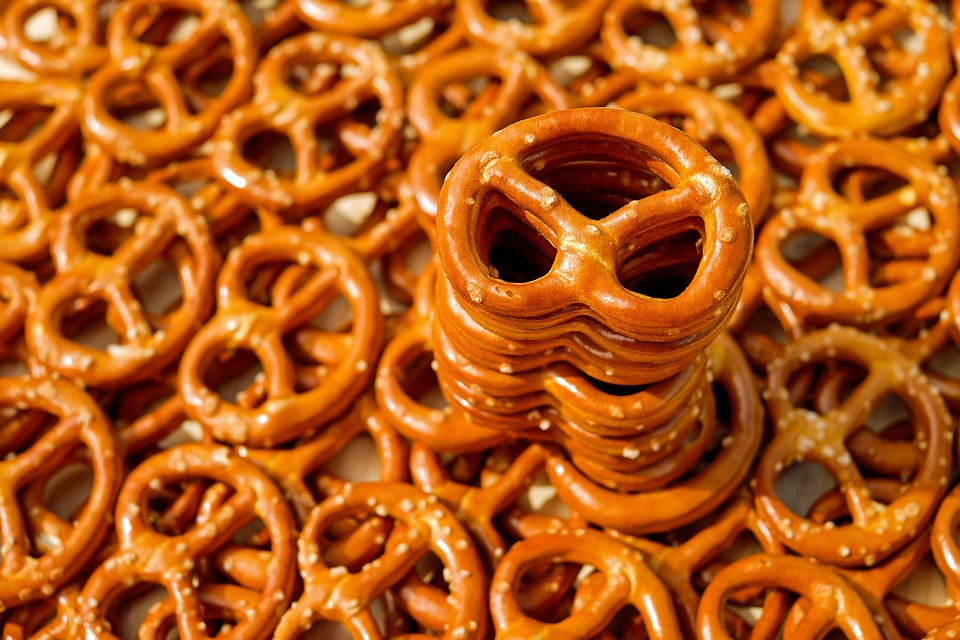
  • Limit your intake of salty snacks: Snacks like chips, crackers, and pretzels are often high in sodium, so try to limit your intake of these foods.

Conclusion

Reducing your salt intake can go a long way in helping you manage your blood pressure and reducing your risk of developing hypertension. By following the tips mentioned above, you’ll be able to make healthier choices and feel more in control of your health.

References


salty


Salt and High Blood Pressure FAQs

How does salt affect high blood pressure?

Salt or sodium is known to increase blood pressure level in most people. High blood pressure can lead to a variety of health problems such as heart disease, stroke, and kidney disease. Excess salt can cause the body to retain fluids, which increases blood volume and puts pressure on the heart and blood vessels, which eventually leads to high blood pressure or hypertension.

What are some ways to reduce sodium intake?

There are several ways you can reduce sodium intake, including:

1. Read food labels

Most packaged foods have sodium content listed on the label. Make sure to check the sodium levels and choose low-sodium or no-sodium options.

2. Cook at home

When you cook at home, you can control the amount of salt you add to your food. Use herbs and spices to flavor your food instead of salt.

3. Choose fresh foods

Fresh fruits, vegetables, and meats have a lower sodium content compared to processed or packaged foods. Choose fresh foods and avoid processed and packaged foods as much as possible.

4. Reduce eating out

Eating out at restaurants or fast food chains can be a challenge when it comes to reducing sodium intake. Most restaurant foods are loaded with salt to enhance the flavor. If you have to eat out, choose options with lower sodium content or ask the server to prepare your food with minimal salt.


salt

What is Himalayan Pink Salt?

Himalayan pink salt is a type of salt that is mined from the Punjab region of Pakistan. It has a distinct pink hue due to the presence of mineral impurities, such as iron oxide, magnesium, and potassium. This type of salt has gained popularity in recent years due to its supposed health benefits and unique flavor profile.

Health Benefits

Some proponents of Himalayan pink salt claim that it can help regulate blood sugar levels, improve respiratory function, and even aid in digestion. While there is limited scientific evidence to support these claims, the mineral content of the salt does offer some health benefits. For example, potassium can help regulate blood pressure, while magnesium is important for maintaining healthy bones and muscles.

Culinary Uses

Himalayan pink salt is often used in cooking and baking. Its unique flavor profile, which is slightly sweeter than traditional table salt, makes it a popular choice for seasoning meats, vegetables, and baked goods. Additionally, the mineral content of the salt can add an interesting texture and depth of flavor to dishes.

If you’re interested in learning more about Himalayan pink salt and its many uses, check out this Wikipedia page.

How Salt Affects High Blood Pressure and Ways to Reduce Sodium Intake

  • Consuming too much salt can increase blood pressure levels
  • Salt causes the body to retain water, increasing blood volume and pressure on the artery walls
  • Reducing sodium intake can lower blood pressure and reduce the risk of heart disease and stroke
  • Ways to reduce salt intake include reading food labels, avoiding processed foods, choosing fresh fruits and vegetables, using salt substitutes, and cooking with herbs and spices instead of salt

Category – Pepper and Salt

Previous articleGrind to Perfection: The Best Pepper and Salt Mill Sets for Every Budget✔️
Next articleSimple and Easy Techniques for Cleaning Your Stove Top
Hi, I'm Jennifer! I love creating original and delicious recipes and sharing them here. I cook and photograph food with my husband Jeff in Boston.

LEAVE A REPLY

Please enter your comment!
Please enter your name here

− 6 = 1