Contents
Taking a Risk: The Art of Cooking and Savoring Rare Steak at the Perfect Temperature
Cooking a rare steak to perfection is an art that requires a meticulous approach and a willingness to take risks. Achieving that juicy, tender interior with a perfectly seared crust can elevate a simple piece of meat into a culinary masterpiece. However, to achieve this masterpiece, one must embrace the boldness of taking risks while cooking.
The key to cooking a rare steak lies in finding that ideal temperature that strikes the delicate balance between preserving the moisture within the meat and achieving the desired doneness. Too high of a temperature risks overcooking the steak, resulting in a dry and tough texture. On the other hand, cooking the steak at too low of a temperature may not properly cook the interior, leaving it raw and potentially unsafe to consume.
Boldness is essential when it comes to experimenting with steak doneness. Whether using a grill, stovetop, or oven, a willingness to adjust temperatures and cooking times to find that sweet spot is crucial. It is through these calculated risks that the chef can discover the perfect degree of doneness for that rare steak that melts in your mouth.
When it comes to savoring a rare steak cooked to perfection, it is an experience that ignites all the senses. The rich aroma as it sizzles on the grill, the sight of the beautifully seared crust, the satisfying sound of the first cut, and the succulent taste that fills the palate – all these elements contribute to the pleasure of the culinary adventure.
🔥Premium Angus Beef T-Bone – SHOP NOW🔥
The Art of Cooking and Savoring Rare Steak at the Perfect Temperature
Why Risk It?
Steak, a carnivore’s delight and a culinary masterpiece when cooked to perfection. While some might prefer well-done steaks for safety reasons, the risk-takers among us know that rare steak is where the true flavors lie. There’s an art to cooking and savoring rare steak at the perfect temperature that can elevate your dining experience to a whole new level.
The Perfect Temperature
One of the first things to consider when cooking a rare steak is the temperature. The general rule of thumb is to aim for an internal temperature of around 125°F (51.5°C) for a medium-rare steak, which means it will be visibly pink in the center. Cooking a steak to this temperature achieves a perfect balance between tenderness and juiciness, allowing the flavors of the meat to shine through.
Preparing the Steak
Start by selecting a high-quality cut of steak, such as a ribeye or filet mignon, with good marbling. Let your steak come to room temperature before cooking to ensure even cooking throughout. Generously season the steak with salt and pepper, or your favorite steak rub, and let it sit for about 30 minutes. This will allow the flavors to penetrate the meat and enhance the overall taste.
The Searing Process
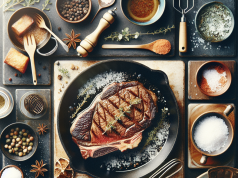
Achieving a perfect sear on your steak is crucial for developing a flavorful crust. Heat a cast-iron skillet or grill to high heat and add a small amount of oil with a high smoke point, like vegetable or canola oil. Place the steak on the hot surface and avoid overcrowding if you’re cooking multiple steaks.
The Risk Factor
Cooking a rare steak comes with its own set of risks. There’s a small chance of bacterial contamination if the meat hasn’t been handled properly. To mitigate this risk, make sure you purchase your steak from a reputable source and follow proper food safety guidelines when handling and storing raw meat.
Letting it Rest
Once your steak reaches the desired temperature, remove it from the heat source and let it rest for a few minutes. This allows the juices to redistribute and the steak to become more tender. Cutting into the steak too soon will result in the loss of those precious juices.
Savoring the Rare Steak
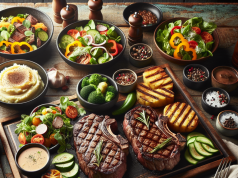
Now comes the moment you’ve been waiting for – savoring that perfectly cooked rare steak. Take a moment to appreciate its beautiful pink center and tender texture. Each bite should be savored slowly, allowing the flavors to dance on your taste buds. Pair it with your favorite side dishes or sauces to further enhance the experience.
Conclusion
Cooking and savoring a rare steak at the perfect temperature is a thrilling culinary adventure. It’s a risk worth taking for those who want to experience the full potential of a quality cut of beef. With the right techniques and precautions, you can enjoy a tantalizing meal that will leave you craving for more.
Related Post:
Discover the Secrets of Mastering Steak Seasoning
Keywords:
rare steak, perfect temperature, cooking techniques, culinary adventure, savoring flavors, high-quality cut, searing process, risk factor, letting it rest, dining experience

Write in HTML FAQs section about Taking a Risk: The Art of Cooking and Savoring Rare Steak at the Perfect Temperature include H2, H3 headings, do not use H1 heading

The Perfect Rare Steak Temperature Guide
What Is Rare Steak?
When it comes to cooking steak, one of the most popular preferences is rare doneness. Rare steak refers to a cooking level where the center of the meat is cooked to a lower temperature compared to other doneness levels. This results in a juicy and tender steak with a vibrant red center.
Recommended Rare Steak Temperature
The ideal temperature for cooking a rare steak typically ranges from 120°F to 130°F (49°C to 54°C). At this temperature, the steak remains slightly cool in the middle and retains a raw appearance, while the outer layers are seared to perfection.
Why Cook Rare Steak?
Rare steak aficionados prefer this doneness level as it offers a distinctive taste and texture. The center of the meat stays succulent and uncooked, preserving the natural flavors and tenderness. The seared exterior adds a delightful caramelization that enhances the overall experience.
Monitoring Internal Temperature
It is crucial to use a meat thermometer to ensure the steak reaches the desired rare temperature evenly. Insert the thermometer into the thickest part of the steak, avoiding bone or fat. This guarantees accurate results and helps prevent overcooking.
Outbound Link:
To delve deeper into the art of cooking steak, check out the Steak Cooking Times page on Wikipedia.

Premium Angus Beef T-Bone – SHOP NOW
Benefits of Cooking and Savoring Rare Steak
- Enhanced flavor
- Tender meat
- Retained juiciness
- Unique culinary experience
Risks Involved in Cooking and Savoring Rare Steak
- Potential bacterial contamination
- Increased risk of foodborne illnesses
- Less safe for individuals with a compromised immune system
- Requires accurate temperature control
Guidelines for Cooking Rare Steak at the Perfect Temperature
- Use a food thermometer
- Cook steak to an internal temperature of 130°F (54°C)
- Let the steak rest for a few minutes before slicing
- Ensure appropriate handling and storage to prevent bacterial growth
Category – STEAKS, BURGER & MEATS