Contents
Cook Like a Pro: Dry-Aged Steak Cooking Hacks and Secrets
Welcome to the ultimate guide for meat lovers! In this article, we delve into the art of cooking dry-aged steak, a culinary practice that elevates flavor and tenderness to new heights. Whether you are a seasoned chef or a home cook looking to impress, mastering the techniques and secrets of dry-aged steak can transform your cooking experience.
Join us as we uncover essential tips, tricks, and hacks that will help you achieve the perfect sear, enhance the rich flavors, and truly cook like a pro. Get ready to savor every bite of your perfectly cooked dry-aged steak!

Understanding Dry-Aged Steak
Dry-aging is a process that enhances the flavor and tenderness of steak. During this time, moisture evaporates from the meat, concentrating its flavors, while natural enzymes break down muscle tissue for a tender texture.
The Dry-Aging Process
- Choosing the Right Cut: Look for cuts like ribeye, sirloin, or porterhouse that benefit most from aging.
- Ideal Aging Time: Typically, steak is aged between 21 to 60 days, with the flavor becoming more intense as the aging period increases.
- Aging Environment: Control the temperature (34°F-38°F), humidity (80-90%), and airflow to optimize the aging process.
Preparing for Cooking
Bringing Your Steak to Room Temperature
Take the steak out of the refrigerator at least 30 minutes before cooking. This helps ensure even cooking throughout the steak.
Seasoning Your Steak
Keep it simple. Use kosher salt and freshly cracked black pepper to let the natural flavors of the dry-aged steak shine through. Serious Eats explains that less is often more.
Cooking Techniques
High-Heat Searing
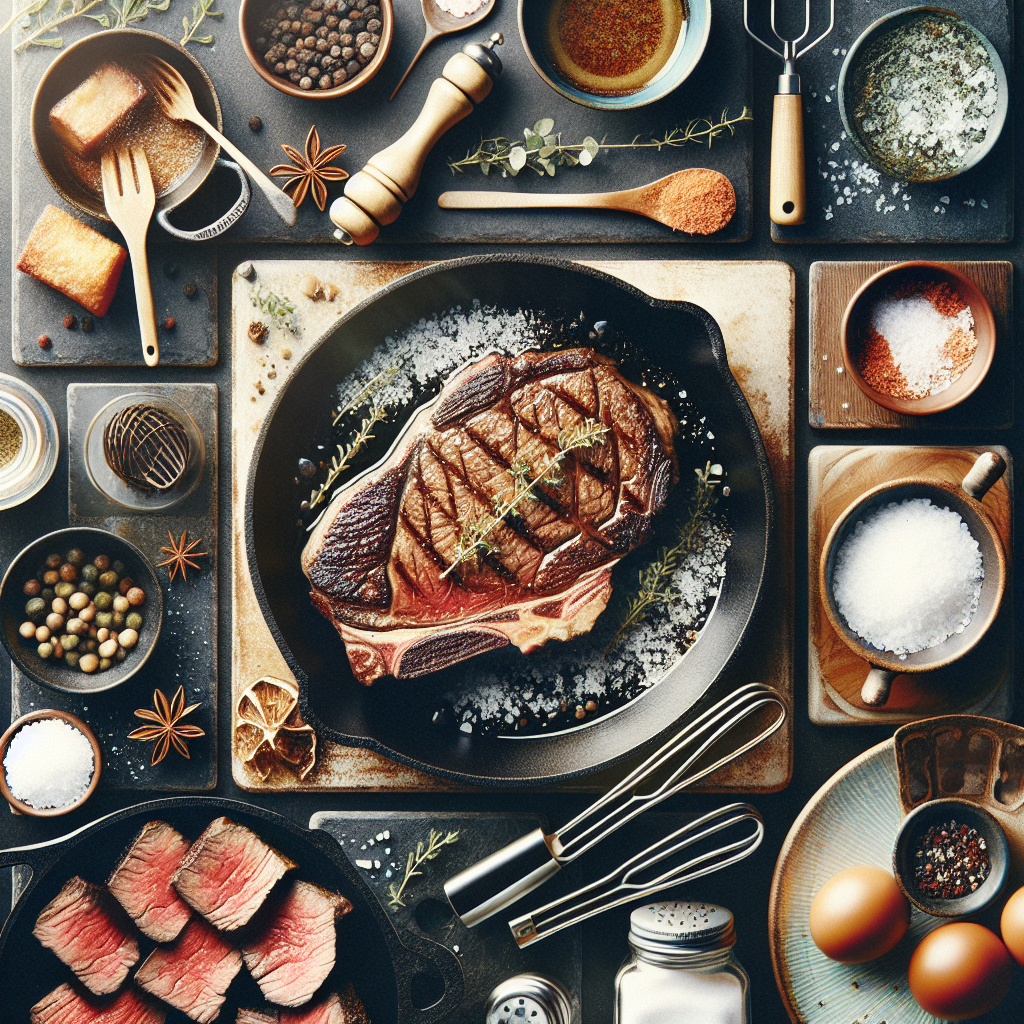
For the perfect crust, sear your dry-aged steak in a hot cast-iron skillet or grill. This creates a flavorful Maillard reaction on the surface. Preheat your pan or grill for at least 5-10 minutes before adding the steak.
Using the Reverse Sear Method
This technique involves cooking the steak at a low temperature first (around 225°F) until it is nearly at the desired doneness. Finish it by searing it on high heat for a crusty exterior.
Cooking Times and Temperatures
Doneness Levels
Understanding your desired doneness is crucial. Here’s a quick guide:
- Rare: 120°F
- Medium Rare: 130°F
- Medium: 140°F
- Medium Well: 150°F
- Well Done: 160°F
Using a Meat Thermometer
To achieve the perfect doneness, use an instant-read thermometer. Insert it into the thickest part of the steak for the most accurate reading.
Resting Your Steak
After cooking, let your steak rest for at least 10 minutes. This allows the juices to redistribute, resulting in a juicier bite. Cover it loosely with foil while resting.
Serving and Pairing
Presentation Tips
Slice your steak against the grain for optimal tenderness. Arrange it on a warm plate and consider garnishing with fresh herbs like rosemary or thyme.
Perfect Pairings
Dry-aged steak pairs beautifully with rich sides. Consider serving with:
- Garlic mashed potatoes
- Grilled asparagus
- Red wine reductions
Cleaning Up
Post-cooking, remember to clean your utensils and cooking surfaces thoroughly, especially after handling raw meat. For guidance on safe kitchen practices, check out FoodSafety.gov.
What is Dry-Aging?
Dry-aging is a process that enhances the flavor and tenderness of beef. The practice involves storing beef in a controlled environment for several weeks to allow enzymes to break down connective tissue.
Benefits of Dry-Aged Steak
- Enhanced Flavor: The aging process concentrates the meat’s flavor
- Tenderness: The breakdown of tough fibers makes the meat more tender
- Unique Aroma: Dry-aged steaks have a distinctive nutty aroma due to the development of enzymes
How is Dry-Aged Steak Different from Wet-Aged Steak?
Wet-aging involves vacuum-sealing beef and letting it age in its own juices, while dry-aging allows for moisture loss, intensifying the flavor and texture of the meat.
Cooking Dry-Aged Steak
When preparing dry-aged steak, it’s essential to treat it with care. Seasoning minimally with salt and pepper can highlight its rich flavors. Cooking at a lower temperature initially and finishing with a high heat sear can yield the best results.
For more detailed information, visit Wikipedia: Dry Aging.

FAQs about Cooking Dry-Aged Steak
What is dry-aging steak?
Dry-aging steak is a process that involves hanging beef in a controlled, chilled environment for several weeks. This process enhances the meat’s flavor and tenderness.
What are the benefits of cooking dry-aged steak?
Dry-aged steak tends to have a richer flavor profile and more tender texture. The moisture loss during the aging process concentrates the flavors, resulting in a more delicious meal.
How should I prepare a dry-aged steak for cooking?
Start by taking the steak out of the refrigerator about an hour before cooking to allow it to come to room temperature. Pat it dry with paper towels, and season generously with salt and pepper.
What cooking methods work best for dry-aged steak?
For the best results, grill, sear, or broil your dry-aged steak. High heat is essential to achieve a nice crust while keeping the inside tender and juicy.
How long should I cook dry-aged steak?
The cooking time varies depending on the steak thickness and your desired doneness. Use a meat thermometer to check for accurate internal temperatures.
What internal temperature should I aim for?
For medium-rare, aim for an internal temperature of 130°F (54°C). For medium, aim for 140°F (60°C), and for well-done, aim for 160°F (71°C).
Do I need to marinate dry-aged steak?
It’s generally not necessary to marinate dry-aged steak due to its rich flavor. Simple seasoning with salt and pepper is often sufficient to enhance its taste.
How do I rest the steak after cooking?
Rest your dry-aged steak for about 10-15 minutes after cooking. This allows the juices to redistribute throughout the meat, ensuring maximum flavor and tenderness.
This code creates a structured FAQ section for “Cook Like a Pro: Dry-Aged Steak Cooking Hacks and Secrets,” using appropriate HTML tags for headings and paragraphs.

Essential Hacks for Dry-Aged Steak
- Select high-quality dry-aged steak for the best flavor.
- Bring the steak to room temperature before cooking.
- Use a reliable meat thermometer for perfect doneness.
Preparation Tips
- Season generously with salt to enhance flavor.
- Pat the steak dry with paper towels for a better sear.
Cooking Techniques
- Opt for high heat methods like grilling or searing.
- Finish in the oven for even cooking.
- Let the steak rest after cooking to retain juices.
Serving Suggestions
- Pair with simple sides to highlight the steak’s flavor.
- Consider a compound butter for added richness.
Storage and Handling
- Store in the fridge wrapped tightly to maintain quality.
- Don’t freeze dry-aged steak to preserve its unique flavor.