Contents
The Butcher’s Guide: Unlocking the Secrets of the Best Steak Cuts
Welcome to “The Butcher’s Guide,” your ultimate resource for understanding and selecting the finest steak cuts.
Whether you’re a seasoned chef or a cooking novice, this guide will unlock the secrets to choosing the perfect
steak for any occasion. Explore different cuts, learn how to identify quality meat, and discover tips for
cooking that will elevate your culinary skills. Join us on this flavorful journey as we delve into the
delicious world of steaks!

Understanding Steak Cuts
What Makes a Good Steak?
When exploring the world of steak, several factors determine its quality, such as marbling, tenderness, and the cut of meat. Marbling refers to the intramuscular fat that impacts both flavor and juiciness. The tenderness is largely influenced by the animal’s age, breed, and the specific muscle group from which the steak is cut.
The Different Types of Steak Cuts
Steaks can be categorized into two types: forequarter and hindquarter cuts. Each provides a unique flavor and texture profile.
Forequarter Cuts
- Chuck Eye: Sometimes referred to as the “poor man’s ribeye,” this cut is known for its rich flavor.
- Brisket: Ideal for slow cooking and smoking, brisket is a tougher cut that becomes tender with proper preparation.
- Flank: This cut is lean and flavorful, often used for fajitas and stir-fries.
Hindquarter Cuts
- Tenderloin: This is the most tender cut of beef, perfect for filet mignon lovers.
- Ribeye: Known for its rich marbling, steak lovers often rave about this cut’s juicy flavor.
- Striploin: This cut is known for its balance of flavor and tenderness, making it a popular choice on steakhouse menus.
How to Choose the Best Steak
Look for Marbling
For the best flavor and tenderness, aim for cuts with good marbling. The more intramuscular fat present, the better the steak will taste when cooked. Look for steaks that have small flecks of fat distributed throughout the muscle.
Choose the Right Grade
Beef is typically graded by the USDA into several categories: Prime, Choice, and Select. Prime is the highest quality, with plenty of marbling.
For more information on beef grading, visit the [USDA’s official website](https://www.ams.usda.gov/rules-regulations/marketing-regulatory-programs/beef-grade-standards).
Cooking Techniques for Different Cuts
Grilling
Grilling is ideal for tender cuts like ribeye and striploin. A high heat will help to sear the meat, locking in juices and flavor.
Pan-Searing
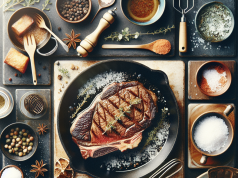
For cuts like flank and sirloin, pan-searing can produce a beautifully caramelized exterior while keeping the inside tender. Use a cast-iron skillet for the best results.
Slow Cooking
Tougher cuts like brisket benefit from slow cooking methods, which break down the connective tissues, yielding tender meat. Consider using a slow cooker or smoker for optimum flavor.
Pairing Sides and Sauces
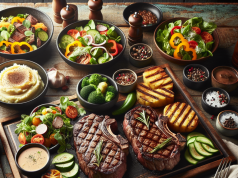
Best Sides for Steak
- Garlic Mashed Potatoes
- Grilled Asparagus
- Caesar Salad
Delicious Steak Sauces
Enhance your steak experience with these classic sauces:
- Béarnaise Sauce: A rich, buttery sauce with tarragon and shallots.
- Chimichurri: A vibrant sauce made with parsley, garlic, and vinegar, perfect for grilled meats.
- Red Wine Reduction: A savory sauce made by reducing red wine with beef stock.
The Final Cut
Understanding the various cuts of steak and how to prepare them can elevate any meal. It’s important to experience the different flavors and textures, ensuring your steak is cooked to perfection. Happy cooking!
Understanding the Best Cuts for Steaks
When it comes to grilling, choosing the right cut of steak is essential for flavor and tenderness. Various cuts come from different parts of the cow, each offering unique characteristics.
Popular Cuts for Grilling
Some of the most popular cuts for steak lovers include:
- Ribeye: Known for its marbling and rich flavor.
- Filet Mignon: Renowned for its tenderness and buttery texture.
- New York Strip: Offers a good balance of flavor and tenderness.
Choosing the Right Cut for Your Cooking Method
Selecting the best cut also depends on the cooking method you intend to use. High-heat methods like grilling
are perfect for thicker cuts, while slow-cooking works well for tougher cuts.
Understanding Steak Grades
The grade of the beef is also important. Higher grades like Prime are often more marbled, offering better flavor and tenderness.
To learn more about different cuts and their uses, check out the Beef Wikipedia page.

FAQs about The Butcher’s Guide: Unlocking the Secrets of the Best Steak Cuts
1. What is “The Butcher’s Guide”?
“The Butcher’s Guide” is a comprehensive resource that explains the various cuts of steak, including their characteristics, cooking methods, and best preparation techniques.
2. Why is understanding steak cuts important?
Knowing the different steak cuts helps you choose the right cut for your cooking style, ensures better flavor, and enhances your dining experience.
3. What are some common steak cuts covered in the guide?
The guide covers popular cuts such as Ribeye, Sirloin, T-Bone, Filet Mignon, and Flank Steak, among others.
4. Does the guide include cooking tips?
Yes, it provides various cooking tips, including optimal cooking temperatures, marinades, and techniques to enhance flavor and tenderness.
5. Is this guide suitable for beginners?
Absolutely! “The Butcher’s Guide” is designed for both beginners and seasoned cooks, offering valuable insights for everyone.
6. Where can I purchase “The Butcher’s Guide”?
You can find “The Butcher’s Guide” at major bookstores, online retailers, or through our official website.
7. Are there any recipes included in the guide?
Yes, the guide features a selection of delicious recipes tailored to various steak cuts.
8. Can the guide help with meal planning?
Definitely! The guide provides suggestions for meal planning, pairing steak cuts with sides and sauces to create a complete meal.
This HTML snippet creates a structured FAQ section with appropriate headings and informative content about “The Butcher’s Guide.”

Understanding Steak Cuts
- Steak cuts vary by tenderness, flavor, and cooking methods.
- Common cuts include ribeye, sirloin, T-bone, and filet mignon.
Choosing Quality Meat
- Look for marbling, color, and firmness when selecting steak.
- Grass-fed vs. grain-fed impacts flavor and texture.
Preparation Techniques
- Proper seasoning enhances steak flavor; consider salt and pepper.
- Cooking methods include grilling, pan-searing, and sous-vide.
Cooking Temperatures
- Know the desired doneness: rare, medium, and well-done.
- Use a meat thermometer for accurate cooking.
Serving Suggestions
- Rest steak before slicing for juiciness.
- Pair with sides like potatoes, vegetables, or sauces.