Contents
The Art of Aging: Unlocking the Flavor Potential of Dry-Aged T-bone Steaks
Dry-aging is a time-honored technique that brings out the best flavors in T-bone steaks. By allowing the meat to rest and mature over time, you are able to unlock a depth and richness of flavor that is simply unparalleled. In this article, we will explore the art of aging T-bone steaks and how it can elevate your culinary experience to new heights.
Dry-Aging:
Dry-aging is the process of hanging a cut of meat, such as a T-bone steak, in a controlled environment with precise temperature, humidity, and air circulation. This time-consuming process typically takes anywhere from several weeks to several months, depending on your desired flavor profile. During this time, the meat undergoes a natural breakdown of enzymes and proteins, resulting in tenderness and intensified flavor.
Flavor Development:
As the T-bone steak ages, its flavor profile evolves. The natural enzymes in the meat break down tough connective tissues, resulting in a more tender texture. Additionally, the aging process allows for the development of unique and complex flavors. The meat becomes more concentrated, providing a more robust taste that is rich, nutty, and slightly sweet. The fat within the steak also undergoes changes, becoming more buttery and adding to the overall flavor experience.
Proper Aging Conditions:
Creating the ideal aging conditions is crucial for achieving the best results. The meat should be stored in a temperature-controlled environment, typically around 32°F to 36°F (0°C to 2°C). The humidity level should be around 80% to prevent excessive moisture loss. Proper air circulation is also important to ensure the meat ages evenly and develop its desired flavors. It is essential to work with a highly skilled butcher or meat purveyor who understands these requirements.
Enjoying Dry-Aged T-bone Steaks:
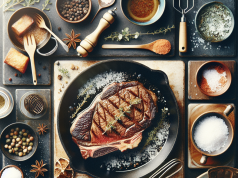
Once the aging process is complete, it’s time to savor the fruits of your patience. Dry-aged T-bone steaks are best cooked simply, allowing the natural flavors to shine. A quick sear on a hot grill or cast-iron skillet is all that’s needed to showcase the beautiful caramelization and juicy tenderness of the meat. Serve it with your favorite side dishes and experience the extraordinary flavors that dry-aging brings to this classic cut.
In conclusion, the art of aging T-bone steaks through the dry-aging process is a testament to the mastery of flavor development. Unlocking the flavor potential of these steaks requires time, patience, and the perfect aging conditions. The result is a culinary experience that is unrivaled in tenderness, richness, and depth. So, embark on this gastronomic journey and indulge in the extraordinary flavors of dry-aged T-bone steaks.
🔥Premium Angus Beef T-Bone – SHOP NOW🔥
The Art of Aging: Unlocking the Flavor Potential of Dry-Aged T-bone Steaks
What is Dry-Aging?
Dry-aging is a process of aging meats in a controlled environment without any moisture. This technique enhances the tenderness and flavor of the meat by allowing natural enzymes to break down the muscle fibers. Dry-aging is commonly used for premium cuts like T-bone steaks to bring out their full potential.
Why Dry-Aged T-bone Steaks Are Worth It
Dry-aged T-bone steaks offer a unique taste experience that cannot be achieved with other cooking methods. The aging process concentrates the natural flavors of the meat while simultaneously tenderizing it. This results in a rich, melt-in-your-mouth texture and an unparalleled depth of flavor.
The Science behind Dry-Aging
During the dry-aging process, enzymes naturally present in the meat start to break down the proteins and connective tissues. This enzymatic action leads to the tenderization of the muscle fibers and the development of intense flavors. Furthermore, the controlled moisture loss during aging helps to concentrate the flavors even further.
How to Dry-Age T-bone Steaks at Home
If you’re feeling adventurous, you can try dry-aging T-bone steaks at home. Here are some steps to get you started:
- Purchase high-quality, USDA Prime or Choice grade T-bone steaks.
- Place the steaks on a wire rack in the fridge, ensuring proper airflow around each steak.
- Allow the steaks to dry-age for 14-28 days, depending on your taste preferences.
- Regularly check the steaks for any signs of spoilage and trim off any dry or moldy parts.
- Once the desired aging period is reached, the steaks are ready to be cooked to perfection.
Unlocking the Flavor Potential
To maximize the flavor of your dry-aged T-bone steaks, follow these tips:
- Season the steak generously with salt and pepper just before cooking.
- Use a high-heat grilling method, such as searing over a hot grill or cast-iron skillet.
- Cook the steak to the desired doneness, ensuring not to overcook and compromise its tenderness.
- Allow the steak to rest for a few minutes before serving, which helps retain its juices.
Conclusion
Dry-aged T-bone steaks are a culinary delight, offering an unbeatable combination of tenderness and flavor. By understanding the dry-aging process and following proper cooking techniques, you can unlock the full potential and savor every mouthful of these luxurious cuts.
For more information on dry-aging techniques and other meat recipes, check out our related blog post.

Frequently Asked Questions
1. What is dry-aging and how does it enhance the flavor of T-bone steaks?
Dry-aging is a process of allowing meat, such as T-bone steaks, to age in a controlled environment without any moisture. This process can take several weeks, during which the natural enzymes in the meat break down proteins, resulting in tenderness and intensified flavor. The dry-aged T-bone steaks develop a unique, nutty and slightly tangy taste that cannot be achieved with regular wet-aging methods.
2. How long should T-bone steaks be dry-aged for optimal flavor?
The ideal duration for dry-aging T-bone steaks can vary depending on personal preferences and desired flavor intensity. However, a recommended range is usually between 21 to 35 days. During this time, the meat’s flavor profile becomes more pronounced, and the texture becomes incredibly tender. It’s important to note that dry-aging should be done in a controlled environment, such as a refrigerated room, to ensure food safety.
3. Are there any specific requirements for dry-aging T-bone steaks?
Yes, there are a few crucial factors to consider when dry-aging T-bone steaks. Firstly, the meat should be of high quality, preferably USDA Prime or Choice grades, as it ensures a superior flavor. Additionally, the meat needs to be properly stored in a temperature-controlled environment with moderate humidity (around 75-85%) to avoid spoilage. Lastly, the T-bone steaks should be adequately trimmed of any excess fat or outer skin before the dry-aging process begins.
4. Do dry-aged T-bone steaks have a different cooking process?
No, the cooking process for dry-aged T-bone steaks remains the same as regular steaks. However, the enhanced flavor and tenderness should be taken into account when determining cooking time to avoid overcooking. It is generally recommended to cook dry-aged T-bone steaks to medium-rare or medium doneness to fully enjoy their flavor and texture.
5. Can I dry-age T-bone steaks at home?
Dry-aging T-bone steaks at home is possible but can be challenging due to the need for a controlled environment and specialized equipment. It is highly recommended to leave dry-aging to professionals who have the necessary expertise and facilities. However, there are alternative methods, such as using dry-aging bags or purchasing pre-dry-aged steaks, that can provide a similar flavor experience without the risk of food safety concerns.

What Makes T-Bone Steak So Delicious?
The Cuts and Characteristics of T-Bone Steak
T-Bone steak is a flavorful cut of beef known for its tenderness and succulence. It is obtained from the larger portion of the beef loin, which is situated closer to the rear of the animal. The T-Bone steak gets its name from its distinctive T-shaped bone that divides two different cuts of beef.
The Porterhouse Steak Similarity
T-Bone steak is often compared to the Porterhouse steak due to their similar shape and the presence of the same T-bone. However, they differ in terms of the size of the tenderloin portion. T-Bone steak includes a smaller tenderloin section compared to the Porterhouse steak. Both cuts are equally delicious, but the Porterhouse is often preferred by those who desire a larger tenderloin section.
Best Cooking Techniques for T-Bone Steak
T-Bone steak is versatile and can be prepared using various cooking techniques. It can be grilled, pan-fried, broiled, or even oven-roasted. To enhance its flavor, it is often seasoned with a blend of spices and herbs. Additionally, achieving the perfect cooking temperature is crucial for preserving the tenderness and juiciness of the meat.
Popular Serving Suggestions
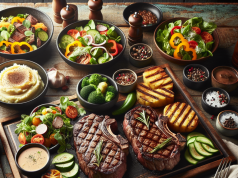
T-Bone steak is commonly served alongside grilled vegetables, mashed potatoes, or a fresh salad. Its rich flavor and succulent texture make it ideal for pairing with bold sauces and condiments such as chimichurri or béarnaise sauce. Additionally, it pairs well with red wines such as Cabernet Sauvignon or Malbec.
If you want to learn more about the history and different cuts of beef, you can visit the relevant Wikipedia page on beef cuts.

Premium Angus Beef T-Bone – SHOP NOW
Introduction
- Dry-aging is a technique used to enhance the flavor and tenderness of T-bone steaks.
The Process of Dry-Aging
- During dry-aging, T-bone steaks are stored in a controlled environment with specific temperature and humidity levels.
- The process involves allowing the natural enzymes in the meat to break down proteins, resulting in increased tenderness.
- Dry-aging also concentrates the flavors of the meat, creating a rich and complex taste.
Key Factors for Successful Dry-Aging
- Temperature and humidity control are crucial to prevent spoilage and encourage the development of desirable flavors.
- Aging periods typically range from 21 to 45 days, allowing enough time for optimal flavor enhancement.
- Quality of the initial cut of meat is essential, as dry-aging intensifies both positive and negative aspects of the meat.
Flavor Profile of Dry-Aged T-bone Steaks
- Dry-aged T-bone steaks offer a more concentrated beef flavor compared to fresh steaks.
- The meat becomes tender and has a buttery texture, with a hint of nuttiness and earthiness.
- Dry-aged T-bone steaks often have a caramelized crust, providing a pleasing contrast of textures.
Best Cooking Methods for Dry-Aged T-bone Steaks
- Grilling or pan-searing are popular cooking techniques that complement the flavor and texture of dry-aged T-bone steaks.
- Allowing the meat to rest after cooking is essential to retain its juiciness and redistribute the internal juices.
- Seasoning the steak with minimal ingredients allows the natural flavors to shine.
Conclusion
- Dry-aging T-bone steaks is an art that unlocks the full flavor potential of the meat, resulting in a unique and highly enjoyable dining experience.
Category – STEAKS, BURGER & MEATS