Contents
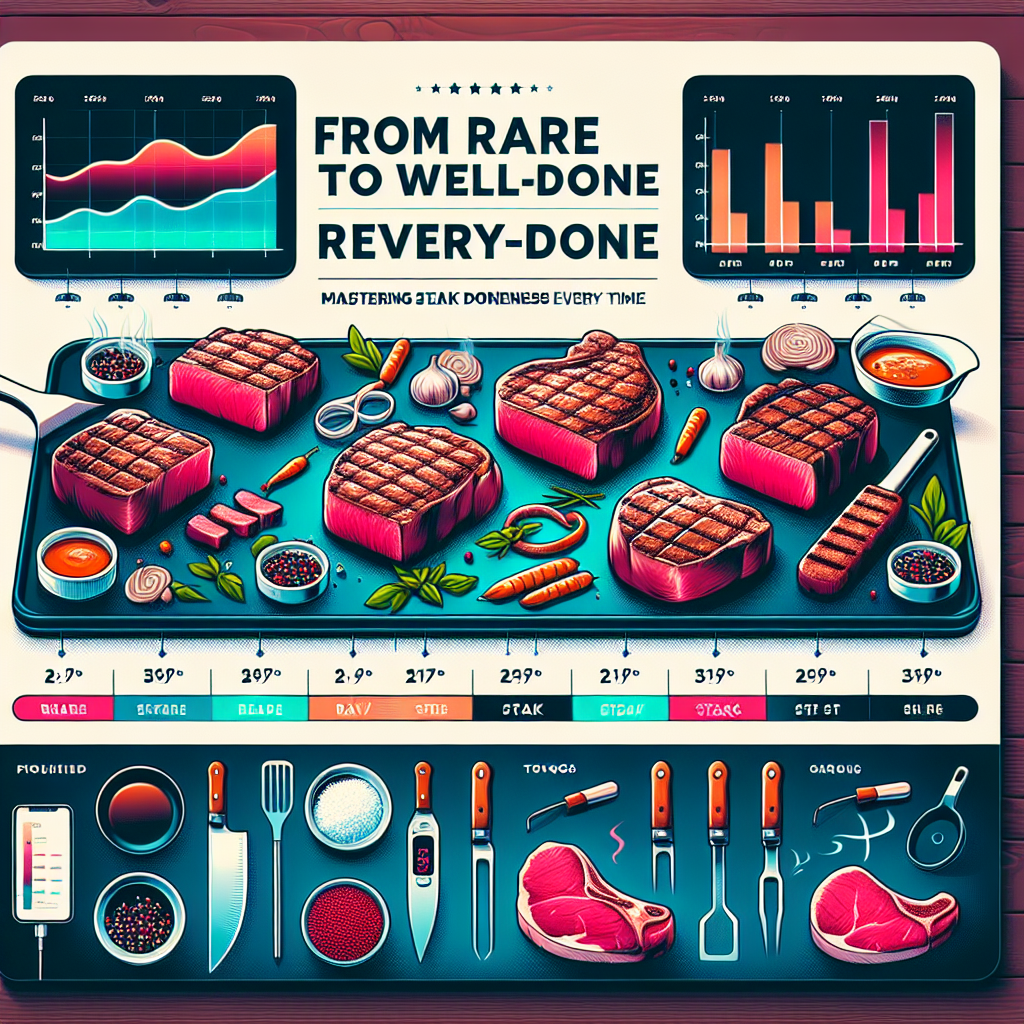
From Rare to Well-Done: Mastering Steak Doneness Every Time
Steak lovers know that the perfect doneness can elevate a meal to new heights. Whether you prefer your steak rare, medium, or well-done, understanding the nuances of steak doneness is essential for any home cook. This guide will walk you through the different levels of doneness, how to achieve them, and tips to ensure that you nail the perfect steak every time. Get ready to impress family and friends with your newfound skills in cooking steak to perfection!

Understanding Steak Doneness Levels
Perfectly cooked steak is the ultimate culinary achievement, but it requires knowing the different levels of doneness. Each level has its unique characteristics, and achieving it consistently is key to impressing family and friends.
1. Rare
Rare steak is seared on the outside but remains cool and red in the center. This doneness level is typically achieved at an internal temperature of 120-125°F (49-52°C).
Characteristics:
- Appearance: Bright red, cool center.
- Texture: Soft and tender.
- Flavor: Rich and robust, showcasing the natural beef taste.
2. Medium Rare
Medium rare is the sweet spot for many steak enthusiasts, offering a warm red center and firmer texture. The internal temperature ranges from 130-135°F (54-57°C).
Characteristics:
- Appearance: Warm, red center.
- Texture: Juicy yet firm.
- Flavor: Intensely beefy with a hint of sweetness.
3. Medium
Medium doneness features a pink, warm center and is a popular choice for those looking for a balanced texture and flavor. It is cooked to an internal temperature of 140-145°F (60-63°C).
Characteristics:
- Appearance: Pink center.
- Texture: Firm yet juicy.
- Flavor: More subdued, allowing seasonings to shine through.
4. Medium Well
Medium well steak has a slightly pink center, leaning more toward the cooked side. The internal temperature ranges from 150-155°F (66-68°C).
Characteristics:
- Appearance: Slightly pink, mostly brown.
- Texture: Firm with less juiciness.
- Flavor: Developed flavor but significantly less beefy taste.
5. Well Done
A well-done steak is fully cooked through and has little to no pinkness. This doneness level typically requires an internal temperature of 160°F (71°C) or higher.
Characteristics:
- Appearance: Brown throughout.
- Texture: Firm and dry.
- Flavor: Often less flavorful due to the loss of juices.
Cooking Techniques for Perfect Doneness
Mastering steak doneness is not just about understanding temperatures; it’s also about using the right cooking techniques.
Grilling
Grilling is a favored cooking method that imparts a smoky flavor to the steak. Use a meat thermometer for precise temperature readings and flip the steak only once to achieve the perfect sear.
Searing and Oven Finishing
Searing the steak in a hot pan followed by finishing it in the oven is an excellent method for achieving even doneness. This technique allows for a beautifully crispy exterior with a controlled interior cook.
Sous Vide Method
The sous vide method, involving vacuum-sealing the steak and cooking it in a water bath at a precise temperature, guarantees accurate doneness. Afterward, a quick sear on a hot skillet provides a delightful crust. For more details, check out Serious Eats.
Tools You Will Need
To achieve your desired doneness, equip yourself with the right tools:
- Meat Thermometer: Essential for monitoring internal temperature accurately.
- Cast Iron Skillet: Ideal for achieving a perfect sear.
- Grill Brush: Necessary for maintaining your grill and ensuring even cooking.
Common Mistakes to Avoid
Even seasoned cooks can make errors while cooking steak. Here are some pitfalls to avoid:
1. Skipping the Resting Period
Letting your steak rest for 5-10 minutes after cooking allows juices to redistribute. Skipping this step results in a less juicy steak.
2. Overcrowding the Pan
Cooking too many steaks at once can lower the pan’s temperature, resulting in uneven cooking. Work in batches for the best results.
3. Not Using a Meat Thermometer
Guessing doneness by touch or look can lead to mistakes. Always rely on a meat thermometer for precision.
Conclusion
By understanding the different levels of doneness and employing the right techniques, anyone can master the art of cooking steak. Enjoy your culinary journey!
Mastering Reverse Sear Technique for Steak
The reverse sear method has gained popularity among grilling enthusiasts for its ability to produce perfectly cooked steaks with a flavorful crust. This technique allows for even cooking and enhanced tenderness.
Steps for the Reverse Sear Method
- Start by seasoning your steak with salt and pepper.
- Preheat your grill to a low temperature, around 225°F (107°C).
- Place the steak on the grill away from direct heat and cook until it reaches an internal temperature of about 10-15°F below your desired doneness.
- Remove the steak and let it rest for a few minutes.
- Increase the grill’s heat to high and sear the steak for 1-2 minutes on each side until a crust forms.
Benefits of Using Reverse Sear
The reverse sear technique allows for greater control over the cooking process. You achieve a steak that is evenly cooked from edge to edge, reducing the chances of overcooking.
Additional Resources
For more comprehensive grilling techniques, visit the Grilling Wikipedia page.

FAQs About Steak Doneness
What are the different levels of steak doneness?
Steak can be cooked to various levels of doneness, including:
- Rare: Cool red center (120°F – 125°F)
- Medium Rare: Warm red center (130°F – 135°F)
- Medium: Warm pink center (140°F – 145°F)
- Medium Well: Slightly pink center (150°F – 155°F)
- Well Done: Fully cooked with no pink (160°F and above)
How can I measure steak doneness accurately?
The most reliable way to measure steak doneness is by using an instant-read meat thermometer. Insert the thermometer into the thickest part of the steak to get an accurate reading.
Can I tell steak doneness by touch?
Yes, you can gauge doneness by pressing the steak. As it cooks, the firmness changes from soft (rare) to firm (well done). This technique requires practice to master.
What is the resting time for a steak?
After cooking, allow the steak to rest for about 5 to 10 minutes. This lets the juices redistribute, ensuring a more tender and flavorful result.
Do different cuts of steak have different doneness recommendations?
Yes, some cuts are best enjoyed at certain doneness levels. For instance, many prefer filet mignon cooked to medium-rare, while others enjoy ribeye at medium.

Understanding Steak Doneness
- Steak doneness ranges from rare to well-done.
- Doneness is determined by internal temperature and appearance.
Temperature Guidelines
- Rare: 120-125°F (49-52°C)
- Medium Rare: 130-135°F (54-57°C)
- Medium: 140-145°F (60-63°C)
- Medium Well: 150-155°F (65-68°C)
- Well Done: 160°F+ (71°C+)
Tips for Cooking Steak
- Use a meat thermometer for accuracy.
- Let the steak rest for juices to redistribute.
- Check doneness by touch for experienced cooks.
Common Mistakes to Avoid
- Cutting into the steak too early.
- Not letting the meat reach room temperature before cooking.
- Ignoring carryover cooking post-grilling.
Conclusion
- Mastering steak doneness elevates your cooking skills.
- Practice makes perfect; adjust methods as needed.