
















Contents
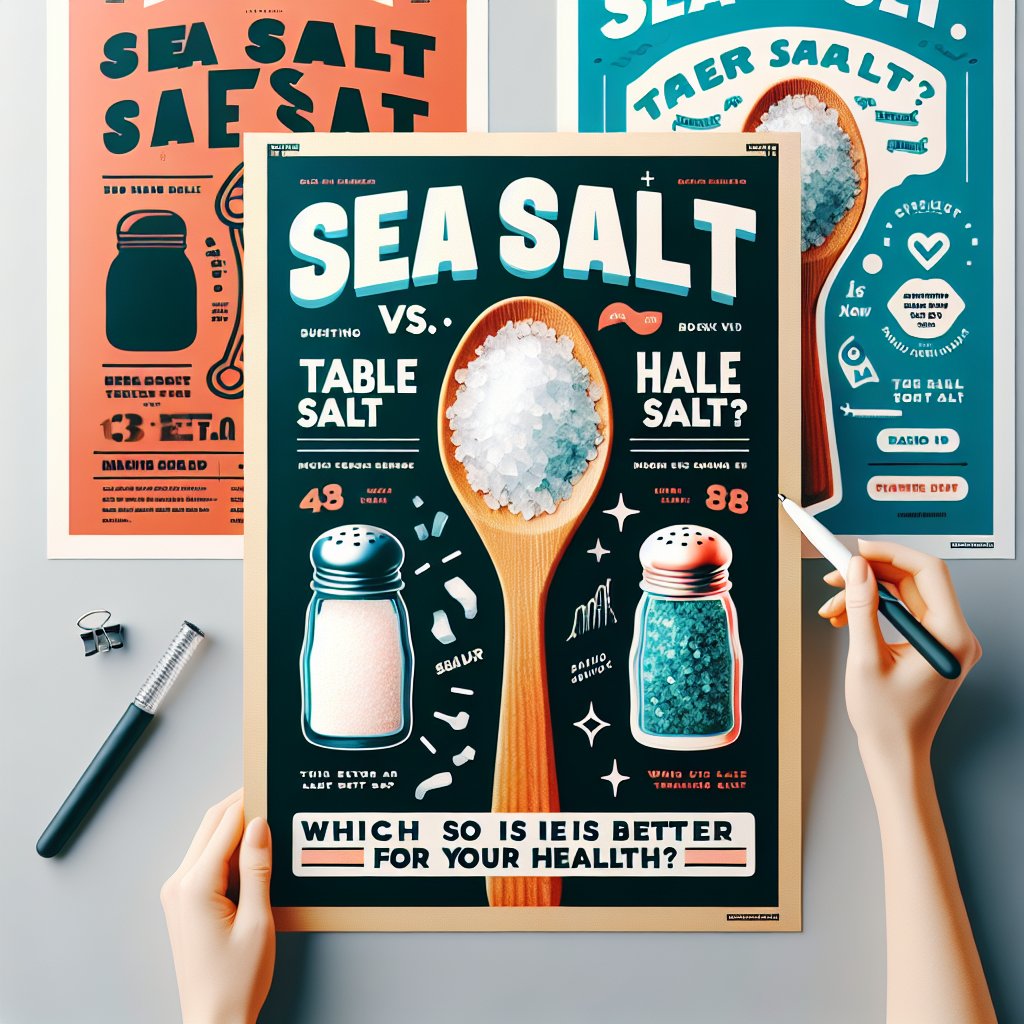
Sea Salt vs. Table Salt: Which is Better for Your Health?
When it comes to seasoning our food, salt is often a key ingredient. However, not all salts are created equal. Sea salt and table salt are two popular options that differ in taste, texture, and nutritional content. As more people become health-conscious, the debate over which type of salt is better for your health intensifies. This article will explore the differences between sea salt and table salt, their health benefits, and how to choose the right one for your dietary needs.

What Are Sea Salt and Table Salt?
Both sea salt and table salt are primarily composed of sodium chloride, but their sources and processing methods differ significantly.
Sea Salt
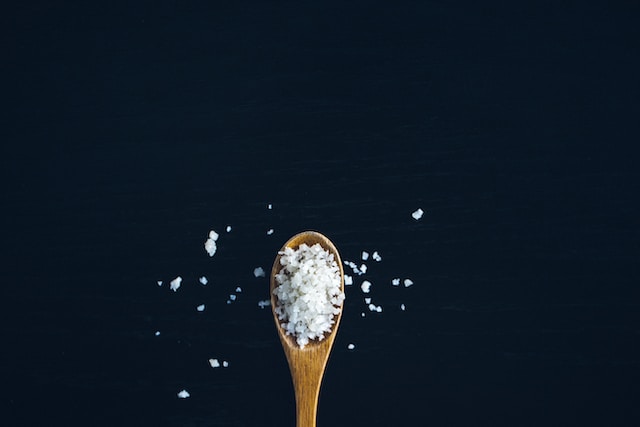
Sea salt is harvested from evaporated seawater. It retains trace minerals such as magnesium and calcium, which can give it a different flavor and color. The production process is generally less refined than that of table salt.
Table Salt
Table salt is mined from underground salt deposits and usually undergoes extensive processing to eliminate impurities. It often contains additives like anti-caking agents to improve flow and may be fortified with iodine to prevent deficiency.
Health Benefits and Nutritional Comparison
While both types of salt contain sodium, their health implications can vary. Below are some considerations regarding their nutritional profiles.
Sodium Content
Both sea salt and table salt have similar sodium content by weight. However, the coarseness of sea salt may lead to less salt being used by volume in cooking, which can result in a lower sodium intake.
Trace Minerals
Sea salt contains various trace minerals. Although these minerals exist in small amounts, they can add a subtle complexity to flavors. For more information on the minerals found in sea salt, visit Healthline.
Iodine Fortification
Table salt is often iodized, which helps prevent iodine deficiency in populations that may not get enough through diet. Sea salt typically does not contain iodine unless specifically added.
Flavor Differences
The texture and flavor profiles of sea salt and table salt differ, which can impact culinary usage.
Culinary Uses
Better suited for finishing dishes, sea salt often provides a crunch and bursts of flavor due to its larger crystals. Table salt is more commonly used in baking and cooking where even distribution and quick dissolving are essential.
Personal Preference
Choosing between sea salt and table salt often boils down to personal taste. Some people prefer the finer texture of table salt, while others enjoy the bursts of flavor from sea salt.
Conclusion: Which is Better for Your Health?
Ultimately, the choice between sea salt and table salt depends on your health needs and taste preferences. Both types can be part of a healthy diet if consumed in moderation. If you’re concerned about iodine intake, consider iodized table salt or iodine-rich foods as part of your diet.
As with any dietary choice, consult with a healthcare provider for personalized advice, especially if you have specific health concerns regarding sodium intake.
FAQs: Sea Salt vs. Table Salt
What is the main difference between sea salt and table salt?
Sea salt is harvested from evaporated seawater and typically contains minerals that can enhance its flavor. Table salt, on the other hand, is mined from salt deposits and usually undergoes processing to remove impurities, often resulting in the addition of anti-caking agents.
Which salt is healthier: sea salt or table salt?
The health benefits of sea salt and table salt are quite comparable, as both contain similar amounts of sodium. However, sea salt may contain trace minerals beneficial to health. It’s important to moderate overall sodium intake regardless of salt type.
Does sea salt have any unique health benefits?
Sea salt contains trace minerals like magnesium and calcium, which are important for various bodily functions. Some people believe that these minerals can provide health benefits, but the amounts in sea salt are generally minimal and should not be solely relied upon for nutrition.
Can I use sea salt in place of table salt in recipes?
Yes, you can substitute sea salt for table salt in recipes. However, keep in mind that the grain size varies; sea salt is often coarser than table salt, which may affect the taste and texture of the final dish.
Is sea salt better for cooking?
Many chefs prefer sea salt for cooking and finishing dishes due to its distinct texture and flavor. However, the choice between sea salt and table salt can be a matter of personal preference.
Can excess salt consumption harm my health?
Yes, consuming too much salt can lead to health issues such as high blood pressure, heart disease, and stroke. It’s important to monitor your sodium intake and opt for lower-sodium alternatives when possible.
Are there any specific dietary guidelines for salt consumption?
The American Heart Association recommends limiting sodium intake to less than 2,300 mg per day, ideally aiming for 1,500 mg per day for most adults, especially those with hypertension.

Health Benefits of Using Sea Salt in Cooking
Rich in Minerals
Sea salt contains essential minerals such as magnesium, calcium, and potassium. These minerals play a crucial role in maintaining good health and can enhance the nutritional value of dishes.
Improves Flavor
Using sea salt in cooking can elevate the flavor profile of your meals. Its unique texture and taste can enhance the natural flavors of ingredients, making dishes more enjoyable.
Lower Sodium Content
Many chefs prefer sea salt because it often contains less sodium than regular table salt. This can be beneficial for individuals monitoring their sodium intake, allowing them to season their food without compromising flavor.
Natural and Unrefined
Sea salt is usually less processed than table salt, meaning it retains a higher level of trace minerals. This natural state can provide a more authentic taste to your culinary creations.
For more detailed information on salt, including its types and uses, visit this Wikipedia page.
Sea Salt vs. Table Salt: Which is Better for Your Health?
- Source: Sea salt is harvested from evaporated seawater, while table salt is mined from salt deposits.
- Processing: Sea salt undergoes minimal processing; table salt is often refined and may contain additives.
- Mineral Content: Sea salt may retain trace minerals; table salt is typically pure sodium chloride.
- Sodium Levels: Both types have similar sodium content, contributing to dietary intake.
- Taste: Sea salt often has a coarser texture and distinct flavor, while table salt has a more uniform taste.
- Health Impact: Excessive consumption of either can lead to health issues like hypertension.