Contents
How to Properly Season Your Food with Kosher Salt
Seasoning your food can elevate a dish from ordinary to extraordinary, and kosher salt is a favored choice among chefs and home cooks alike. Its large, flaky crystals make it easy to pinch and distribute evenly over your ingredients. In this guide, we will explore the best techniques for using kosher salt to enhance the flavors of your meals, ensuring every bite is perfectly seasoned.

Understanding Kosher Salt
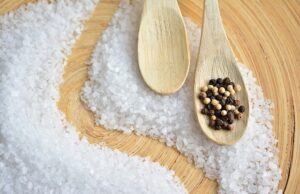
Kosher salt, named for its role in the koshering process, is a coarse-grained salt known for its ability to enhance the natural flavors of food. It’s favored by many chefs due to its texture and ease of handling.
Types of Kosher Salt
There are several brands and types of kosher salt, which can vary in texture and flavor. The most common types include:
- Diamond Crystal: Fine flakes, ideal for precise seasoning.
- Morton: Coarser grains, more pronounced saltiness.
- Other Brands: Various other options available based on preferences.
The Importance of Seasoning Food
Proper seasoning can make all the difference in a dish. It enhances flavors, balances ingredients, and can even improve texture.
Bringing Out Natural Flavors
When used correctly, kosher salt can amplify the natural flavors of meats, vegetables, and grains. It encourages juiciness and elevates the overall taste profile of your meal.
Improving Texture
A sprinkle of kosher salt can help create a desirable texture in meats — especially in the case of brining — while vegetables can achieve a pleasing crunch when seasoned correctly.
How to Properly Season with Kosher Salt
Seasoning with kosher salt requires technique and timing. Here are some best practices:
1. Start Small
For beginners, it’s advisable to start with smaller amounts of salt and gradually increase as needed. Remember, it’s easier to add more than to take it away.
2. Season in Layers
Season at different stages of cooking. Start with meats before cooking, add a bit to vegetables during sautéing, and finish with a sprinkling on dishes just before serving.
3. Use Your Hands
Using your fingers to sprinkle salt allows for better control. This tactile approach can help you understand how much salt to apply, leading to a more intuitive cooking experience.
Best Practices for Specific Foods
Meats
When seasoning meats, apply kosher salt evenly and allow it to rest for at least 30 minutes before cooking. This helps the salt penetrate and enhances the flavor.
Vegetables
For vegetables, salt can be added directly during cooking to enhance their flavor or sprinkled on after roasting to intensify their natural sweetness.
Grains and Pasta
When cooking grains and pasta, add salt to the boiling water before cooking. This helps to ensure that the seasoning is absorbed evenly throughout the dish.
Tips for Storing Kosher Salt
Store your kosher salt in a cool, dry place. A sealed container will keep it fresh and prevent clumping. Avoid exposure to moisture to maintain its quality.
Where to Learn More
For more detailed insights on cooking techniques and seasoning, check out Cooking Light’s guide on using salt.
Conclusion
Proper seasoning with kosher salt is an essential skill for any cook. Mastering this technique can enhance your culinary creations and make mealtime more enjoyable. Begin exploring the vast flavors that kosher salt can bring to your dishes!

FAQs About How to Properly Season Your Food with Kosher Salt
What is Kosher Salt?
Kosher salt is a coarse, flaky salt that is traditionally used in the koshering process of meat. Its texture makes it easy to sprinkle over food, allowing for even seasoning.
Why Use Kosher Salt Over Table Salt?
Kosher salt has larger crystals than table salt, which makes it easier to control the amount of salt you use. It also has a milder flavor, making it versatile for various dishes.
How Much Kosher Salt Should I Use When Seasoning?
A general rule of thumb is to use about 1.5 to 2 times more kosher salt than table salt. Start with a small amount and adjust to taste, as it’s easier to add more salt than to remove excess.
When Is the Best Time to Season My Food?
Season your food at different stages:
- Before cooking: Season proteins to enhance flavor.
- During cooking: Adjust seasoning as you go, especially for soups and sauces.
- After cooking: Sprinkle a finishing salt for added texture and flavor.
How Can I Properly Store Kosher Salt?
Store kosher salt in a cool, dry place in an airtight container to maintain its freshness and avoid clumping.
Can I Substitute Kosher Salt for Other Types of Salt?
Yes, you can substitute kosher salt for other salts, but keep in mind that the volume may differ. Always taste and adjust based on the salt type you are using.

What is Kosher Salt?
Kosher salt, known for its coarse texture, is a favorite in kitchens for its ease of use and ability to enhance flavors without overwhelming them.
Cooking with Kosher Salt
When it comes to cooking, kosher salt is a versatile ingredient. Its size makes it easy to pinch and sprinkle, allowing for better control over seasoning. Chefs often prefer it for brining meats and seasoning vegetables.
Benefits of Using Kosher Salt
- Coarse grains make it easy to grasp and use.
- Highly effective in seasoning food evenly.
- Doesn’t contain additives, making it a pure option for cooking.
How to Substitute Kosher Salt
In recipes calling for table salt, you can substitute kosher salt, but pay attention to measurements. Due to its larger grain size, you may need to use more kosher salt to match the saltiness of finer grains. A general rule is to use about 1.5 times the amount of kosher salt as table salt.
Where to Learn More
For more information on kosher salt and its culinary uses, check out the resource on Wikipedia.
How to Properly Season Your Food with Kosher Salt
- Use coarse kosher salt for better texture and flavor.
- Start with a small amount, as it’s easier to add than to remove.
- Evenly sprinkle salt over food for consistent seasoning.
- Season as you cook, not just at the end, to enhance flavor layers.
- Taste frequently to adjust saltiness to your preference.
- Use kosher salt to brine meats for juiciness and flavor.
- Pair with herbs and spices for a well-rounded taste.