Contents
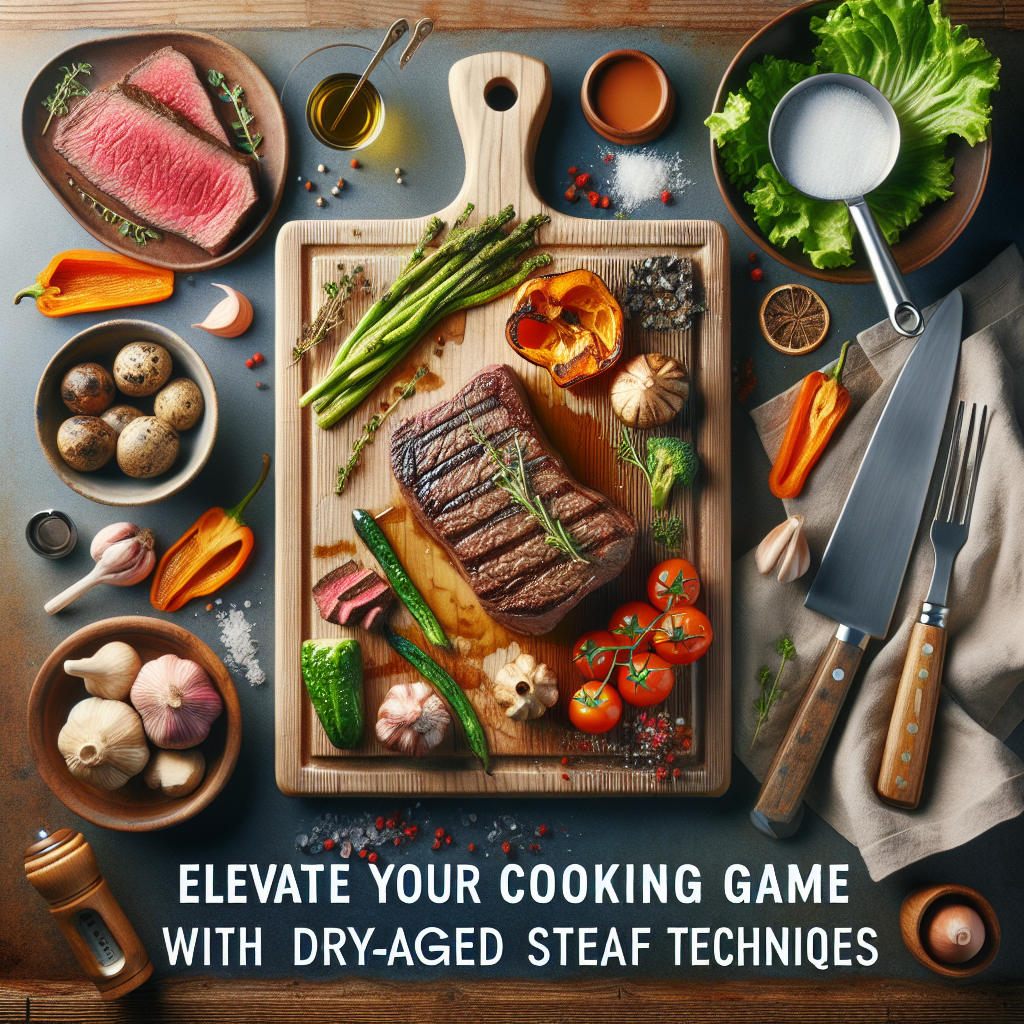
Elevate Your Cooking Game with Dry-Aged Steak Techniques
Are you ready to take your culinary skills to new heights? Dry-aging steak is a time-honored technique that enhances flavor and tenderness, transforming a good piece of meat into an unforgettable dining experience. In this guide, we will explore the art of dry aging, from understanding the science behind it to practical tips for achieving the perfect dry-aged steak at home. Whether you’re a seasoned chef or an enthusiastic home cook, mastering dry-aging will elevate your cooking game and impress your guests.

What is Dry-Aged Steak?
Dry-aged steak refers to beef that has been aged for a specific period of time in a controlled environment, allowing it to develop unique flavors and tender textures. This process typically takes 21 to 60 days and involves the evaporation of moisture from the meat, concentrating the flavors.
Benefits of Dry-Aging Steak
Enhanced Flavor
Dry-aging creates a richer, more complex flavor profile. The natural enzymes in the meat break down proteins, resulting in a buttery, savory taste that is hard to replicate.
Improved Tenderness
The intentional decay process helps to tenderize the muscle fibers in the steak. Consumers typically report a noticeable difference in texture compared to wet-aged meats.
How to Dry-Age Steak at Home
Equipment You Will Need
- Quality steak (ribeye, porterhouse, or T-bone)
- Refrigerator or dedicated aging fridge
- Wire rack
- Cheesecloth or specialized aging bags
Steps to Dry-Aging
- Select the Right Cut: Choose a large cut of meat. Bone-in steaks are preferred as they help retain moisture.
- Prepare Your Aging Environment: Ensure your fridge is set to a temperature between 34°F and 38°F (1°C to 3°C). Maintain humidity levels around 80% to minimize spoilage.
- Airflow: Place the steak on a wire rack to allow air to circulate evenly around it.
- Wrap the Meat: Optionally, wrap the steak in cheesecloth or specialized aging bags to prevent contaminants while still allowing airflow.
- Aging Time: Allow the steak to age for 21 to 60 days, depending on your preference for flavor intensity.
- Trimming: After aging, trim off the outer crust before cooking.
Cooking Dry-Aged Steak
Seasoning
Keep it simple. Use kosher salt and freshly cracked black pepper to enhance the natural flavors of the steak.
Cooking Techniques
- Grilling: Preheat your grill to high heat. Grill each side for about 4-6 minutes for a perfect medium-rare.
- Sous-Vide: Cook the steak sous-vide at 129°F (54°C) for 2 hours, then sear in a hot pan for a crispy crust.
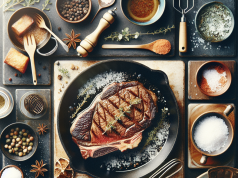
- Oven Roasting: Sear the steak in a cast-iron skillet and finish in the oven at 400°F (204°C) until desired doneness.
Pairing Suggestions
Wine Pairings
Pair your dry-aged steak with bold red wines such as Cabernet Sauvignon or Malbec to complement the rich flavors.
Side Dishes
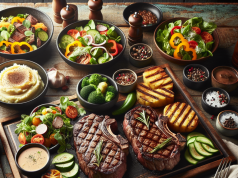
Elevate your meal with side dishes like creamy mashed potatoes, roasted vegetables, or a fresh arugula salad.
Resources for Further Reading
For more in-depth information on dry-aging steak, check out Serious Eats.
What is Dry-Aged Steak?
Dry-aged steak is beef that has been hung or placed on a rack to dry for several weeks. This process enhances the meat’s flavor and tenderness by allowing natural enzymes to break down muscle fibers.
Benefits of Dry Aging
- Enhanced Flavor: The dry-aging process concentrates the beef’s flavors, giving it a rich, nutty taste.
- Improved Texture: The moisture loss creates a more tender texture, making it a favorite among steak enthusiasts.
- Unique Experience: Each cut can have different characteristics based on aging time and environmental conditions.
How is Dry Aging Done?
The process typically involves using a controlled environment with specific temperature, humidity, and airflow levels. This careful management prevents spoilage and encourages the right bacteria to thrive, further enhancing the flavor.
Common Dry Aging Timeframes
Dry aging usually takes place for 14 to 60 days, with longer periods resulting in stronger flavors. However, 28 days is often considered the sweet spot for many steak lovers.
Learn More
To explore the science and history behind dry aging, visit the dry-aging section on Wikipedia.

FAQs About Elevating Your Cooking Game with Dry-Aged Steak Techniques
What is dry-aging, and how does it benefit the steak?
Dry-aging involves hanging whole cuts of beef in a controlled, chilled environment to enhance the flavor and tenderness. The process allows enzymes to break down the muscle tissue, resulting in a more concentrated taste and improved texture.
How long should I dry-age my steak?
The ideal dry-aging period varies depending on personal preference. Generally, steaks can be dry-aged for 14 to 45 days, with longer aging resulting in stronger flavors and tenderness.
What type of steak is best for dry-aging?
Cuts with a good amount of marbling, like ribeye or strip loin, are excellent choices for dry-aging. Larger cuts are preferred, as they can develop a better crust during the aging process while losing moisture and concentrating flavor.
Can I dry-age steak at home?
Yes, you can dry-age steak at home! It’s essential to have proper conditions: a dedicated fridge with controlled temperature, humidity, and airflow. Vacuum-sealed bags or specialized dry-aging bags can also be used to facilitate the process.
What equipment do I need for dry-aging?
A small dedicated refrigerator or a temperature-controlled environment is ideal. Additionally, a humidity gauge and a fan for air circulation can help maintain optimal conditions during the aging process.
What flavors should I expect from dry-aged steak?
Dry-aged steaks typically have a rich, nutty flavor with a more intense beefiness compared to fresh steak. Note that flavors can range from slightly gamy to profoundly savory, depending on the aging duration.
How should I cook dry-aged steak?
Rest your dry-aged steak at room temperature before cooking. Sear the steak at high heat for a caramelized crust, then finish cooking to your desired doneness. Due to its rich flavor, consider seasoning minimally with salt and pepper to enhance the beef’s natural taste.
Are there any safety concerns with dry-aging at home?
Ensuring proper humidity and temperature is crucial for safely dry-aging meat. It’s important to watch for any off odors or molds, as these may indicate spoilage. Following safe handling practices is key to avoiding foodborne illnesses.

Understanding Dry Aging
- Dry aging enhances flavor and tenderness.
- Process involves hanging meat in a controlled, chilled environment.
- Typically done for 21 to 60 days for optimal results.
Choosing the Right Cut
- Ribeye and strip steak are popular choices.
- Opt for large cuts; they develop flavor better than smaller ones.
Setting Up Your Dry Aging Process
- Utilize a dedicated fridge with precise temperature and humidity control.
- Ensure proper air circulation around the meat.
Preparation Techniques
- Trim off any hard outer crust before cooking.
- Season simply with salt and pepper to highlight the meat’s flavor.
Cooking Methods
- Grilling, roasting, or sous-vide are great options.
- Cook to a perfect medium-rare for best flavor and texture.
Pairing and Serving
- Serve with simple sides to let the steak shine.
- Consider robust wines that complement the rich flavors.